In brief: A newly qualified driver has been banned for two years and fined £5,400 after being caught doing 67mph in a 40mph zone by Jersey’s first mobile speed camera. The case is the camera’s first successful prosecution, and six more defendants are already due in court. Police chief Robin Smith says dangerous drivers “should expect to be caught and prosecuted.”
Jersey’s Speed Camera Draws First Blood
Jersey’s roads have a new sheriff in town, and it has already made its presence felt. The island’s first mobile speed camera, unveiled during Road Safety Week in November last year, has secured its inaugural conviction after catching a newly qualified driver travelling at 67mph in a 40mph zone. The result: a two-year driving ban, a £5,400 fine, a mandatory retest before the driver can return to the road, and the prospect of nine weeks in custody if the fine goes unpaid.
The youth, described by the Jersey Evening Post as a repeat offender, pleaded guilty to all offences this week. Magistrate Bridget Shaw did not mince her words, describing it as “one of the worst cases of driving seen for a new driver” and highlighting the real and significant risk posed to other road users.
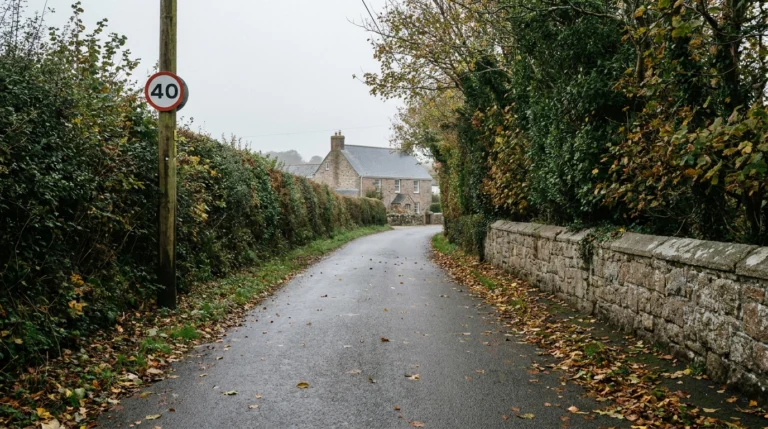
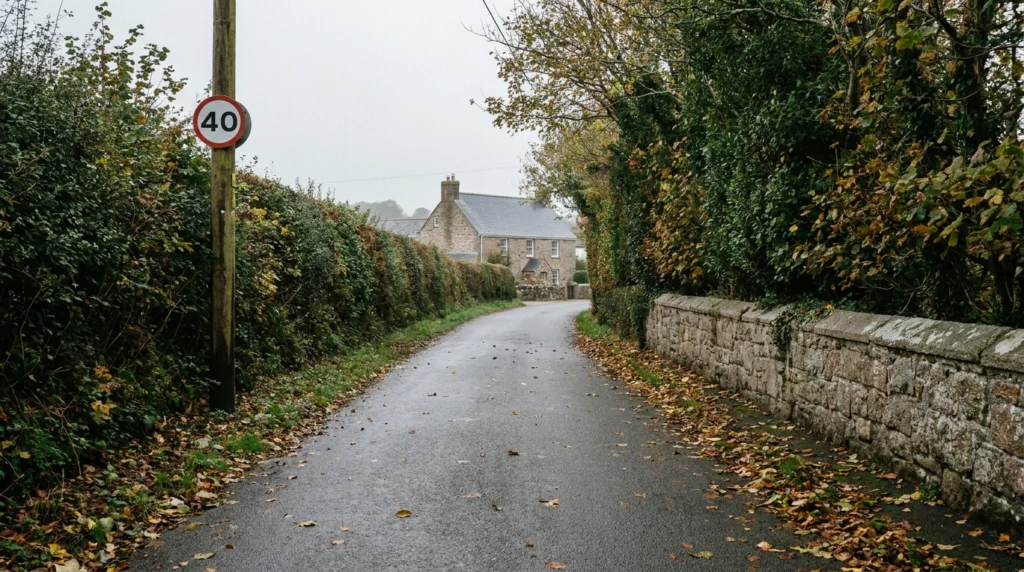
For context: 67mph in a 40mph zone is not a momentary lapse of concentration or a heavy foot on a quiet country lane. It is nearly 70 per cent above the speed limit, which on Jersey’s roads, with their narrow lanes, blind bends and mix of cyclists, pedestrians and farm traffic, is the kind of behaviour that ends lives.
A Warning Shot Across the Bonnet
Police chief Robin Smith was unambiguous in his response to the conviction. “Driving at 67mph in a 40mph limit is not a minor lapse,” he said. “It is dangerous and puts other people at risk.” He added that the court was dealing with “a pattern of offending, resulting in a substantial disqualification and financial penalty,” and delivered a clear message to anyone tempted to treat Jersey’s roads as a racetrack: “If you choose to drive dangerously on Jersey’s roads, you should expect to be caught and prosecuted.”
Smith has previously described reckless driving as a “cultural” problem in Jersey, placing speeding alongside antisocial driving and drug-driving as “easily” among his top five concerns. The arrival of mobile speed camera technology is clearly intended to shift that culture, and this first prosecution is as much a public statement as it is a legal outcome.
The camera is not finished yet. A further six people are due to appear in court in connection with offences detected by the same device on 18 November, suggesting the technology has been busy since its introduction.
What This Means for Jersey Drivers
For the majority of law-abiding motorists on the island, the camera’s arrival is straightforwardly good news. Jersey’s roads are not built for speed, and the consequences of a serious collision in a small, close-knit community are felt widely. The mobile nature of the camera means it can be deployed wherever speeding is a known problem, rather than being fixed to a single location that drivers simply learn to slow down for and accelerate past.
The penalties available to the courts are clearly substantial enough to concentrate minds. A two-year ban and a £5,400 fine for a young driver is a life-altering outcome, and the requirement to resit a driving test before returning to the road adds a further practical hurdle. Whether the prospect of such consequences will deter the kind of repeat offender seen in this case is another question, but for the broader population of drivers who might be tempted to push their luck, the message is now backed by evidence that the camera works and the courts will act.
Source: Jersey Evening Post