In brief: Planning Minister Senator Sir Mark Boleat has acknowledged Islander frustration over the cost and complexity of repairing or replacing windows and doors in listed buildings. He has pledged to explore smoother administrative arrangements and a consultation on the issue, while noting that changes must remain consistent with the Bridging Island Plan.
The Problem With Listed Windows
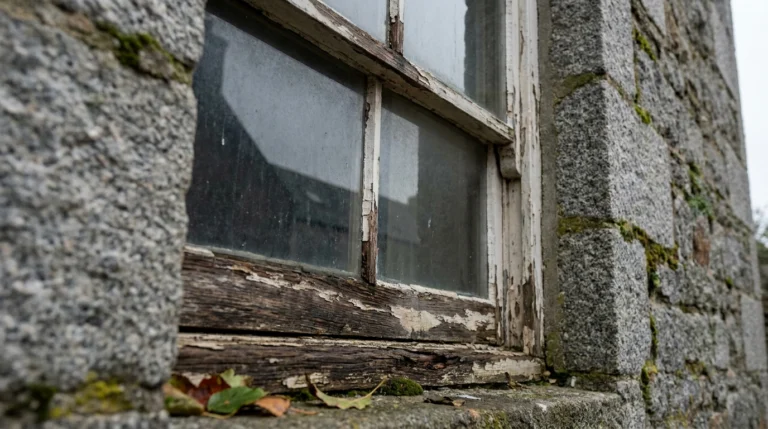
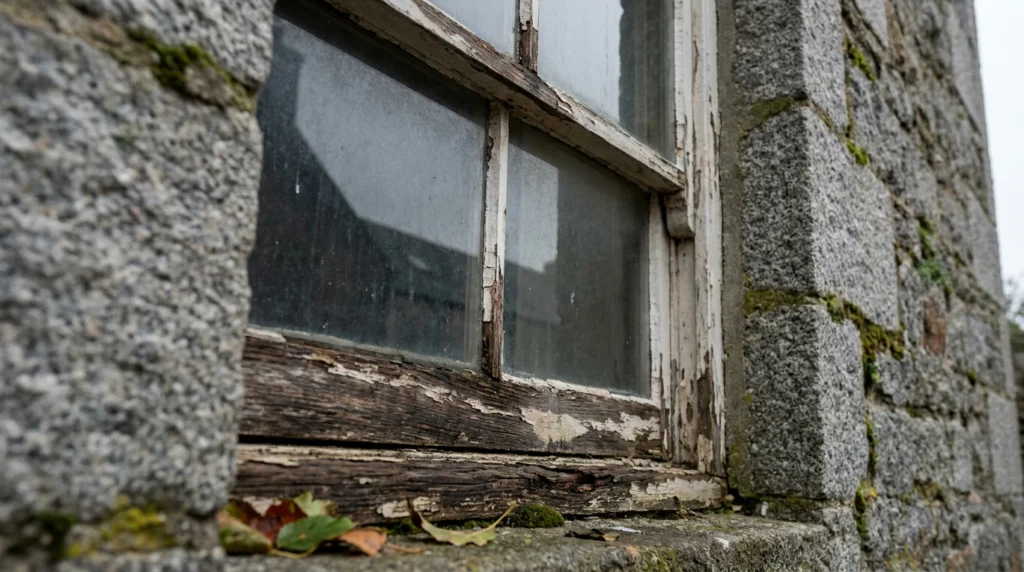
Anyone who has ever owned a listed building in Jersey will know the particular joy of discovering that replacing a rotting window frame requires more paperwork than buying the house in the first place. The Jersey Evening Post reports that Senator Sir Mark Boleat, the Planning Minister, has publicly acknowledged this frustration, saying the topic, which has been raised repeatedly in letters to the JEP, is “very much on the agenda”.
“I have people contacting me directly, and I’ve seen examples,” the minister told the JEP. The core complaint is familiar to many homeowners: it is not simply that planning permission is required, but that complying with the requirements of the Bridging Island Plan is, in his own words, “very expensive”.
Senator Boleat, who took up his role in July, said he wanted to achieve a better balance between heritage preservation and the practical demands placed on Islanders in respect of their own homes. He added that he would carry out a consultation on the matter.
What Can Actually Be Done, and When
The minister was candid about the constraints he faces. The Bridging Island Plan, he explained, is “pretty explicit” on heritage requirements, meaning he cannot simply override its guidance. “What I can’t do is change the guidance in conflict with that plan, that’s just not doable,” he said.
What he does believe is possible is making the administrative process smoother, so that where permission is genuinely required, obtaining it is less of an ordeal. He also pointed to advances in materials as a factor worth addressing in any future Island Plan, noting that composite window frames are now difficult to distinguish visually from traditional timber ones. That kind of practical reality, he suggested, should be reflected in updated policy.
However, he was equally frank about the pace of progress. “If it was easy, I would have done it already,” he said, citing the demands of legal drafting and a number of other ongoing initiatives that have taken priority. Two consultations have recently been completed, one on permitted development and one on space standards, with results on both expected before the end of the year. Car parking standards for developments in St Helier are next in the queue.
Heritage Versus Homeowners
Jersey’s listed building regime exists for good reasons. The island’s historic streetscapes and vernacular architecture are part of what makes it distinctive, and once original features are lost, they rarely come back in any authentic form. Nobody seriously argues that heritage protection should be abandoned.
But there is a legitimate question about proportionality. When the cost and complexity of complying with heritage requirements becomes so burdensome that homeowners are deterred from maintaining their properties at all, the policy risks achieving the opposite of its intention. A listed building left to deteriorate because its owner cannot afford the approved replacement windows is not a heritage success story.
Senator Boleat appears to understand this tension, and his willingness to consult and to look at administrative reform is a reasonable starting point. The question, as always with planning reform in Jersey, is how long it will take to move from acknowledgement to action.
Source: Jersey Evening Post