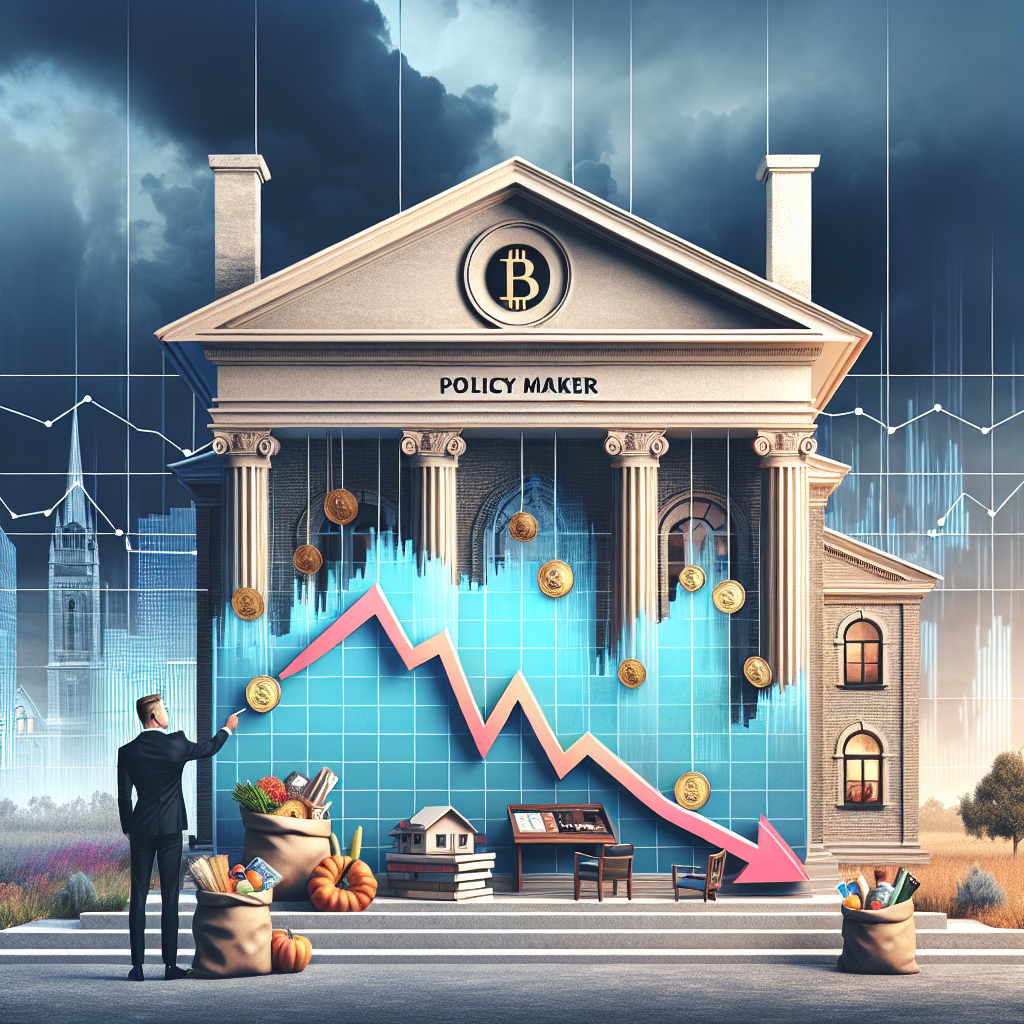
Interest Rates Soar to 16-Year High: A Tightrope Walk for Jersey’s Economy
In a bold move reminiscent of monetary policies from the early 2000s, the UK has hoisted interest rates to a staggering 16-year peak of 5.25%. This decision, taken in the hopes of reining in the rampant inflation that has been gnawing at the economy, sends ripples across the financial landscape, reaching the shores of Jersey with significant implications.
The UK’s Interest Rate Hike: A Snapshot
The Bank of England’s recent hike in interest rates to 5.25% marks the highest level since 2007. The move is a calculated response to the soaring inflation rates that have been troubling the UK economy. With the cost of living crisis tightening its grip on households and businesses alike, the central bank has resorted to this traditional monetary tightening tool to cool down the overheated economy.
Jersey’s Economic Balancing Act
Jersey, while not a part of the United Kingdom, is closely tied to its economic fortunes. The island’s financial services, a cornerstone of its economy, are particularly sensitive to changes in interest rates. Higher rates could mean more expensive borrowing costs, potentially slowing down investment and consumption. On the flip side, savers might welcome the change, as their nest eggs could see a bit more growth in this new fiscal climate.
Analysing the Impact on Jersey
For Jersey, the interest rate rise is a double-edged sword. The island’s housing market, which has been experiencing its own version of a ‘hot streak’, could cool down as mortgages become pricier. This might be a silver lining for those who have been priced out of the market, but it’s a cold shower for the real estate industry and current homeowners who could see their property values stagnate or even dip.
Local businesses, particularly those with loans or those looking to expand, will feel the pinch as borrowing costs climb. The cost of doing business just got a little steeper, and for an island that prides itself on its entrepreneurial spirit, this could be a bitter pill to swallow.
The Silver Lining for Savers
On the brighter side, Jersey’s savers and pensioners could find a reason to smile. The higher interest rates mean better returns on savings accounts and pensions, providing a much-needed boost to those relying on fixed incomes. It’s not all doom and gloom, as some pockets of the economy might just find this change to be a welcome one.
International Perspectives and Local Reactions
Internationally, the UK’s decision is seen as part of a broader trend of central banks taking aggressive action against inflation. The US Federal Reserve and the European Central Bank have been on similar paths, albeit with their own regional twists. For Jersey, this global tightening could mean a more challenging environment for international trade and finance.
Locally, reactions are mixed. Some praise the move as a necessary evil to prevent the economy from overheating, while others view it as a potential brake on economic growth. The Jersey government, ever watchful of the island’s fiscal health, must navigate these turbulent waters with caution and prudence.