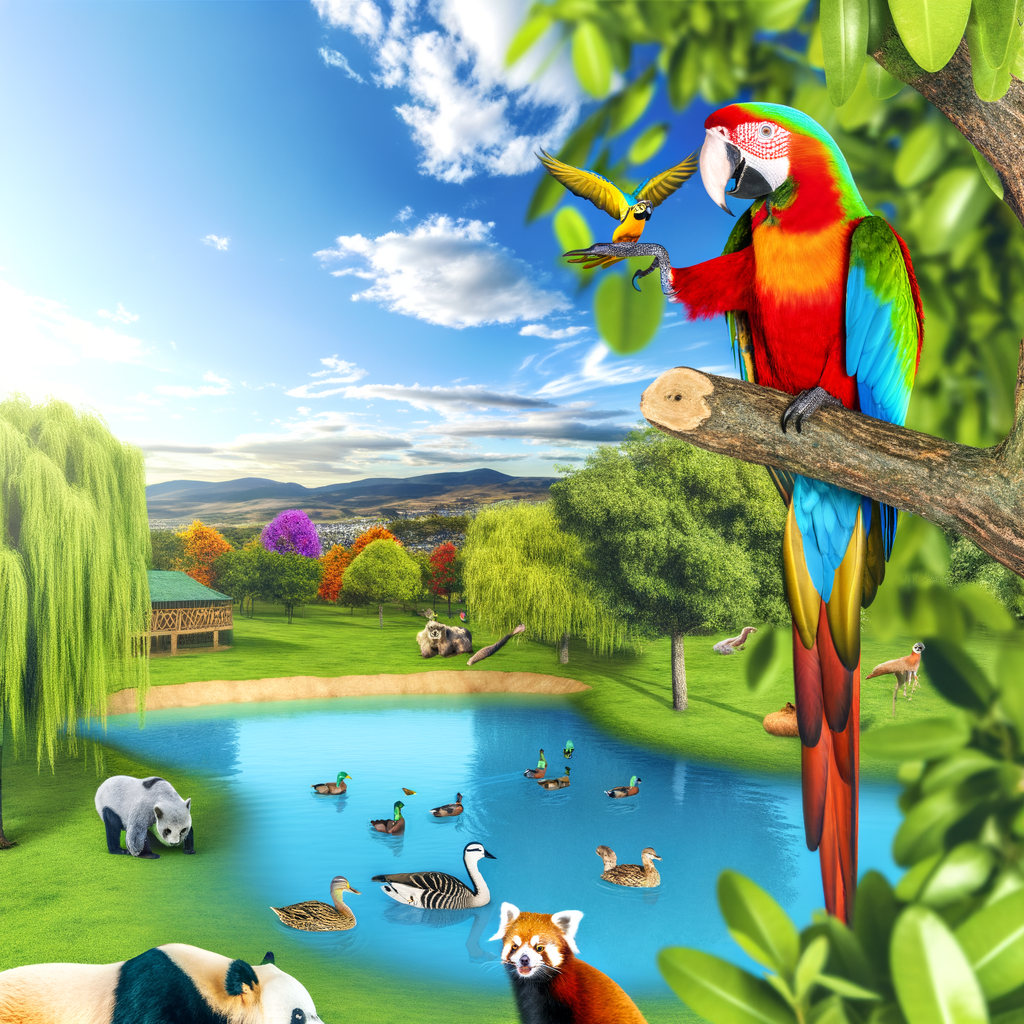
# The Wild Wonders of Jersey: A Look at Nature Documentaries and Their Impact
**Summary:** Nature documentaries have become a staple of modern entertainment, offering viewers a window into the lives of extraordinary species. This article explores the significance of these shows, their impact on local audiences in Jersey, and the broader implications for conservation efforts. We will also examine how the Jersey government can leverage this interest to promote environmental awareness and tourism.
## The Allure of Nature Documentaries
Nature documentaries have captivated audiences for decades, with stunning visuals and compelling narratives that showcase the beauty and complexity of the natural world. From the icy landscapes of the Arctic to the vibrant jungles of the Amazon, these shows transport viewers to places they may never visit, all while educating them about the delicate balance of ecosystems.
One of the most popular series, “Planet Earth,” narrated by the iconic Sir David Attenborough, has set a high bar for wildlife programming. The series not only highlights the majesty of nature but also underscores the urgent need for conservation. As viewers watch polar bears struggle to find food due to melting ice caps, they are reminded of the real-world consequences of climate change.
### The Jersey Connection
For residents of Jersey, the allure of nature documentaries is particularly relevant. The island is home to a diverse range of wildlife, from puffins and seals to the unique flora that thrives in its coastal habitats. Local viewers may find themselves inspired by these documentaries to explore their own backyards and appreciate the natural beauty that surrounds them.
Moreover, the popularity of nature shows can serve as a catalyst for environmental initiatives within the island. The Jersey government has a responsibility to promote conservation efforts, and what better way to do so than by harnessing the enthusiasm generated by these documentaries? By investing in local wildlife projects and promoting eco-tourism, the government can not only protect the island’s natural heritage but also boost the economy.
## The Role of the Jersey Government
While the Jersey government has made strides in environmental conservation, there is always room for improvement. The recent push for sustainable practices and the protection of local wildlife is commendable, but it often feels like a drop in the ocean compared to the scale of the challenges we face.
Critics have pointed out that public funds could be better allocated towards initiatives that directly benefit the environment and the community. For instance, investing in educational programmes that teach residents about local wildlife and conservation efforts could foster a greater sense of responsibility towards the environment.
### A Critical Eye on Public Spending
As we scrutinise the government’s use of public funds, it is essential to ask: are we getting value for our money? The recent budget allocations for environmental projects have raised eyebrows, with some questioning whether the funds are being used efficiently.
For example, the government’s decision to invest in a new tourism campaign that focuses on the island’s natural beauty is a step in the right direction. However, if the campaign is not backed by genuine conservation efforts, it risks becoming little more than a glossy brochure that fails to address the underlying issues facing our ecosystems.
## The Global Perspective
The impact of nature documentaries extends beyond local audiences; they have the power to influence global conversations about conservation. As viewers become more aware of the threats facing wildlife, there is a growing demand for action. This shift in public sentiment can lead to increased pressure on governments and corporations to adopt more sustainable practices.
In Jersey, this global perspective can be harnessed to promote local initiatives. By aligning with international conservation efforts, the island can position itself as a leader in environmental stewardship. This not only enhances Jersey’s reputation but also attracts eco-conscious tourists who are eager to support sustainable practices.
### The Woke Dilemma
In recent years, the rise of “woke” culture has permeated many aspects of society, including environmentalism. While the intention behind these movements is often noble, they can sometimes overshadow the core message of conservation. It is crucial for Jersey to maintain a balanced approach that focuses on practical solutions rather than ideological battles.
By prioritising evidence-based policies and fostering open dialogue, the government can navigate the complexities of modern environmentalism without falling prey to the pitfalls of extreme ideologies. This pragmatic approach will resonate with the conservative readership, who value common sense and fiscal responsibility.
## NSFW Perspective
As we reflect on the impact of nature documentaries and the role of the Jersey government in conservation, it is clear that there is much work to be done. While the allure of these shows can inspire action, it is the responsibility of local leaders to translate that inspiration into tangible results.
By scrutinising public spending and prioritising effective conservation initiatives, the government can ensure that Jersey remains a haven for wildlife and a beautiful destination for visitors. In doing so, they will not only protect the island’s natural heritage but also foster a sense of pride among residents.
In conclusion, nature documentaries serve as a powerful reminder of the beauty and fragility of our planet. For Jersey, they present an opportunity to engage with the community, promote environmental awareness, and drive meaningful change. Let us hope that our leaders rise to the occasion, armed with a sense of humour and a commitment to preserving the extraordinary species that call our island home.



