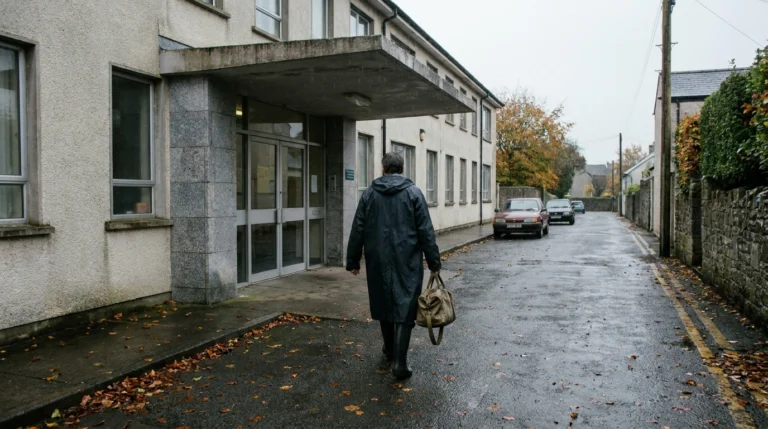
In brief: One in five rented homes inspected under Jersey’s mandatory licensing scheme were found to have safety hazards, according to a new annual report. Electrical faults were the most common problem identified, though no cases have yet been escalated to the Environment Minister. Over 400 licences remain unaccounted for despite officers’ efforts to chase them up.
One Fifth of Inspected Rentals Flagged for Hazards
Jersey’s Rented Dwellings Licensing Scheme, which came into force on 1 May 2024, was designed to ensure every rented home on the island meets minimum safety and quality standards. The first annual report covering the period from 1 May 2025 to 30 April 2026 has now been published by Infrastructure and Environment, and while the headline figures suggest broad landlord engagement, the detail raises some pointed questions about the state of Jersey’s rental stock.
Of the 954 fresh licences issued during that reporting year, 75% involved a physical inspection by authorised health and safety officers. Of the 716 inspections completed by Public Health, 142, or 20%, resulted in licences being issued with what the report terms “non-standard” conditions. In plain English, that means one in five inspected properties was found to have hazards or significant deficiencies serious enough to require formal remedial action as a condition of the licence. The Jersey Evening Post reports that electrical hazards were cited as the most common reason for these non-standard conditions.
The report is at pains to describe the regulatory approach as “fair, proportionate and focused on achieving compliance”, with inspectors favouring “education over penalties” and reserving criminal proceedings for situations where all other options have been exhausted. Landlords are given a reasonable timeframe to carry out remedial work and submit evidence of compliance. Whether one considers that reassuringly measured or frustratingly toothless rather depends on whether you are a landlord or a tenant living next to a dodgy fuse box.
Licences Issued, Licences Lost, and a Growing Chase List
Since the scheme began in 2024, a total of 19,074 licences have been issued, with 17,743 currently active. The bulk of applications came in during a three-month implementation window in 2024, which suggests most landlords got the message early. The second licensing term began this summer following the expiry of the initial two-year licences on 30 April 2026, and 16,327 licences were renewed, a figure the report describes as demonstrating “continued engagement” from the landlord community.
However, 810 licences have been withdrawn since the scheme launched. Of those, 420 remain outstanding for renewal “despite ongoing efforts by officers to establish the current status of the associated properties.” That is a non-trivial number of dwellings that may or may not still be occupied by tenants, and whose compliance with statutory requirements is, at present, unknown. The report identifies reviewing these withdrawn licences as a “key priority” for the next reporting term, promising further investigative work and, where non-compliance is found, “appropriate regulatory action.”
Notably, not a single non-standard licence condition had been escalated to the Environment Minister as of the end of April 2026. The report attributes this to the success of the voluntary compliance approach, though cynics might wonder whether the absence of any escalation reflects genuine resolution of every hazard identified, or simply a system that has not yet been tested at its harder end.
What This Means for Jersey Renters
For Jersey’s tenants, the picture is mixed. On one hand, the licensing scheme is clearly identifying problems that might otherwise have gone unnoticed, and the majority of landlords appear to be engaging with it. On the other hand, a 20% hazard rate among inspected properties is a sobering figure, and the 420 properties whose current status cannot be confirmed represent a genuine gap in the safety net the scheme was designed to provide.
Jersey’s rental market is under considerable pressure, with high demand and limited supply giving tenants relatively little leverage when it comes to pushing back on substandard conditions. A licensing scheme that relies heavily on voluntary compliance and landlord goodwill is only as strong as the willingness of officers to follow through when goodwill runs out. The report’s promise of “appropriate regulatory action” where non-compliance is found will need to be backed up with visible enforcement if it is to carry any weight.
Source: Jersey Evening Post