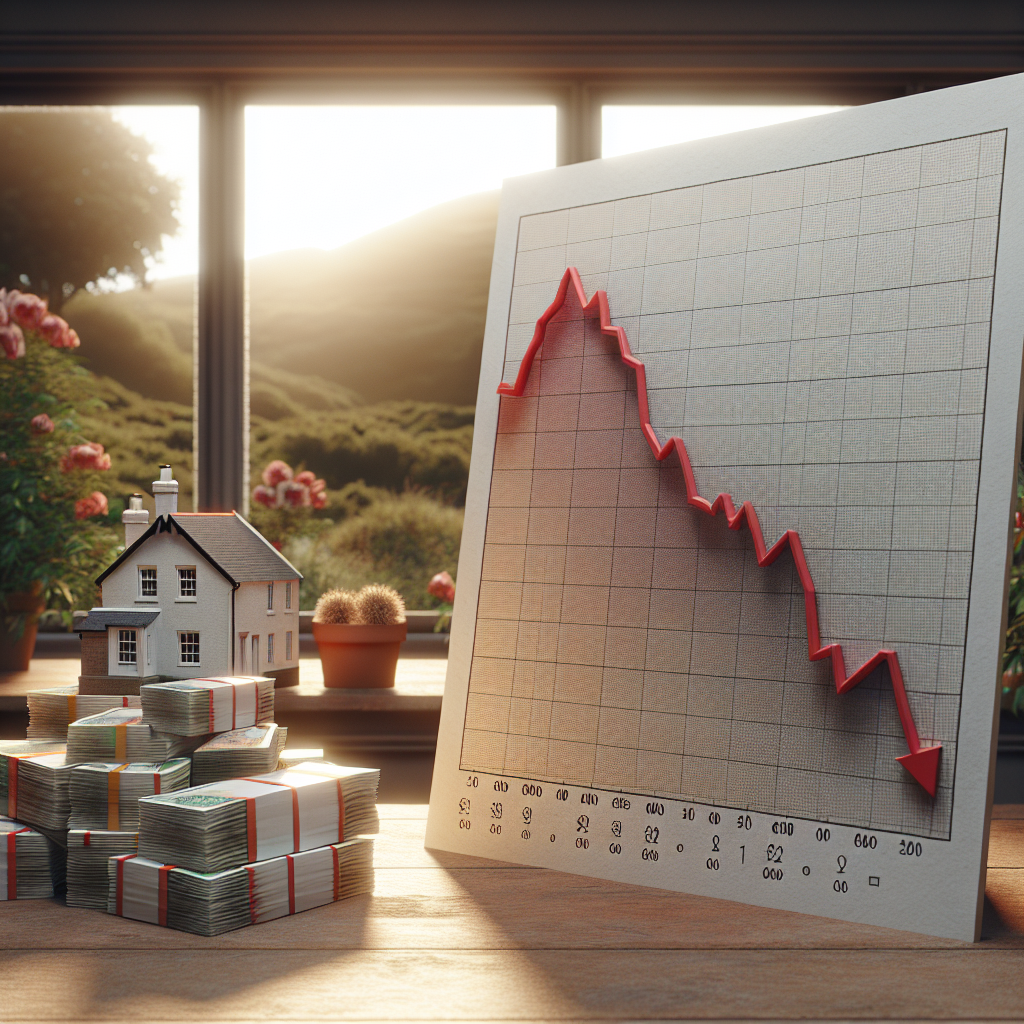
Stamp Duty Slump: A £17 Million Wake-Up Call for Jersey’s Property Market
Summary: Jersey’s government faces a significant £17 million reduction in stamp duty revenue, sparking concerns over the health of the property market and the implications for public spending. This downturn prompts a closer examination of the tax policies and their impact on the island’s economy.
The Stamp Duty Downturn: A Symptom or a Cause?
It’s not every day that a £17 million shortfall sneaks up on you, but when it does, it’s akin to finding out that your ‘reliable’ old car suddenly needs a new engine. Jersey’s government is currently peering under the bonnet, trying to figure out if the stamp duty drop is just a hiccup or indicative of a more chronic condition in the property market.
For those unfamiliar with the term, stamp duty is a tax paid on property purchases, and it’s as popular as a rain-soaked bank holiday. It’s a significant source of revenue for the government, funding everything from public services to infrastructure projects. So, when there’s a £17 million drop, it’s not just a matter of tightening the government’s belt; it’s about ensuring the trousers don’t fall down entirely.
Jersey’s Property Market: A Game of Monopoly?
Some say the property market in Jersey is like a game of Monopoly, but with higher stakes and fewer chances to pass ‘Go’. The question is, has the government been playing with a dice loaded with high tax rates, scaring off potential buyers and investors?
There’s a fine line between milking the cash cow and tipping it over. Critics argue that the additional tax on property purchases may have been a step too far, leading to a stagnation in the market. It’s a classic case of ‘too much of a good thing’, where the initial tax boost has potentially soured the milk of property transactions.
Impact on the Local Economy: More Than Just Numbers
The stamp duty saga isn’t just about lost revenue; it’s about the ripple effect on the local economy. Fewer property transactions mean less work for conveyancers, surveyors, and removal companies – not to mention the impact on the housing market for locals. It’s a domino effect that could leave more than just the government counting their pennies.
Moreover, the drop in stamp duty intake could signal a cooling off in the property market, which, while potentially good news for first-time buyers, could also indicate a broader economic slowdown. It’s a delicate balance, and the government’s next move could either steady the ship or rock the boat even more.
Looking Ahead: Time for a Tax Tweak?
So, what’s the solution? Some suggest a tax tweak might be in order, a sort of fiscal feng shui to realign the property market’s energies. Others argue for a more hands-off approach, letting the market correct itself without government interference – a laissez-faire lounge, if you will.
What’s clear is that the government needs to take a long, hard look at its tax strategy. It’s about finding the sweet spot between generating revenue and fostering a healthy property market. After all, nobody wins if the market crashes – it’s like throwing the Monopoly board in the air in frustration, except it’s not just pretend houses and hotels that come tumbling down.