In brief: Jersey’s hedgehog population is at a critical low, with the Jersey Hedgehog Preservation Group recording its fewest admissions since 2003 and a release rate described as “rock bottom.” Three consecutive dry summers are being blamed, and a leading environmentalist warns the island’s hedgehogs may ultimately face extinction.
Grim Numbers from Waterworks Valley
For around 34 years, Dru Burdon and the Jersey Hedgehog Preservation Group have been nursing sick and injured hedgehogs back to health from an outhouse in her garden in Waterworks Valley. This year, the figures coming out of that modest operation make for sobering reading.
New data released by the group shows that between October 2025 and September 2026, 350 hedgehogs were admitted. Of those, only 162 were released back into the wild, while 186 died or had to be put to sleep. Between July and September alone, just 62 hedgehogs were released from 156 admissions. The group describes the release rate as being at “rock bottom,” and the total admissions figure is the lowest recorded since 2003.
Ms Burdon says the group has no explanation for the decline other than the “awful dry and hot weather,” noting that this year marks the third consecutive summer of drought conditions on the island. Young hedgehogs, she says, were arriving at the group effectively “to die” after struggling through the extreme summer climate.
Hard Ground, Empty Bowls and a Rat Problem
The mechanics of the crisis are straightforward, if distressing. When the ground bakes hard in prolonged dry weather, hedgehogs cannot dig for their natural prey. Without supplementary food and water left out by residents, they starve and dehydrate. As Ms Burdon puts it: “It has been the same for all wildlife.”
Compounding the problem is a well-intentioned but damaging trend. Many islanders have stopped putting food out for wildlife following advice from pest control services, after a noted increase in rats across Jersey. The result is that hedgehogs, which cannot read pest control leaflets and have no union to lobby on their behalf, are largely left to fend for themselves during the hardest months.
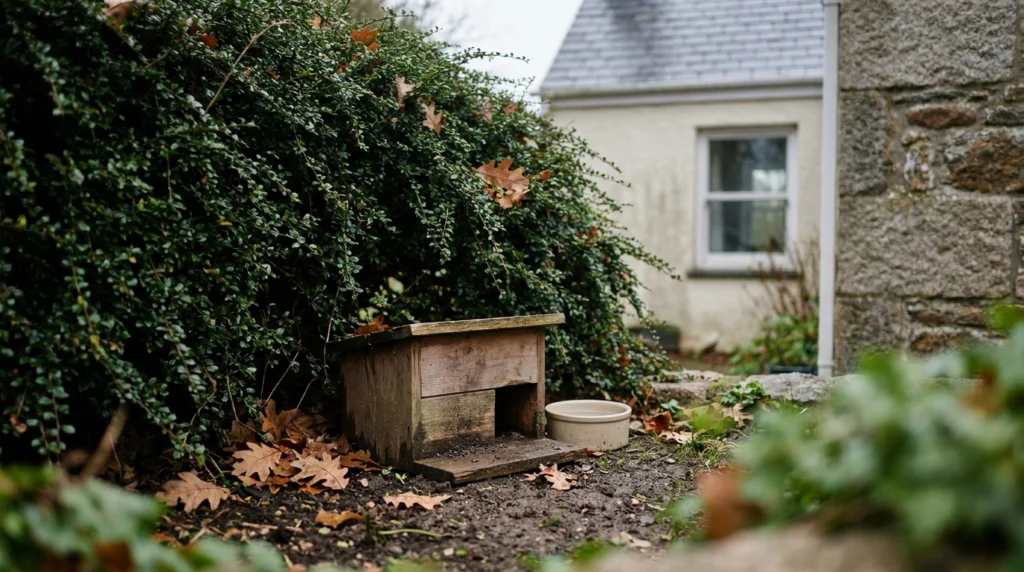
Ms Burdon has a practical solution for residents who want to help without inadvertently hosting a rat banquet. By draping chains over the entrance to a feeding house, hedgehogs, which will push through the obstruction, can still access food and water, while rats, apparently less committed to the effort, will stay away. She is urging islanders to “start feeding now” rather than waiting until next year, saying it would be a “great help” to local hedgehogs.
The group also raised concerns earlier in the year about strimmer injuries, warning gardeners to take extra care during branchage season. Among the casualties were a hedgehog that had to be put to sleep after a nose injury and another with its nose partially severed by a strimmer blade.
A Bleak Long-Term Outlook
Ms Burdon does not mince words about the bigger picture. “We may not be able to save our hedgehogs in the long run but we may delay their demise,” she told the Jersey Evening Post. On climate change itself, she is equally direct: “There is nothing we can do to stop it now as it is too late.”
It is a stark assessment from someone who has spent more than three decades on the front line of hedgehog conservation in Jersey. The combination of habitat pressure, extreme weather and reduced public feeding has created conditions that even the most dedicated rescue operation struggles to overcome.
Source: Jersey Evening Post