# The Grazing Game-Changer: Jersey’s Livestock Revolutionize Island Grasslands
## In Brief:
– Jersey’s grasslands are undergoing a significant transformation due to the grazing habits of local livestock.
– The government has recognized the positive impact of grazing on the island’s ecosystem.
– This natural activity is shaping the future of Jersey’s environmental and agricultural policies.
—
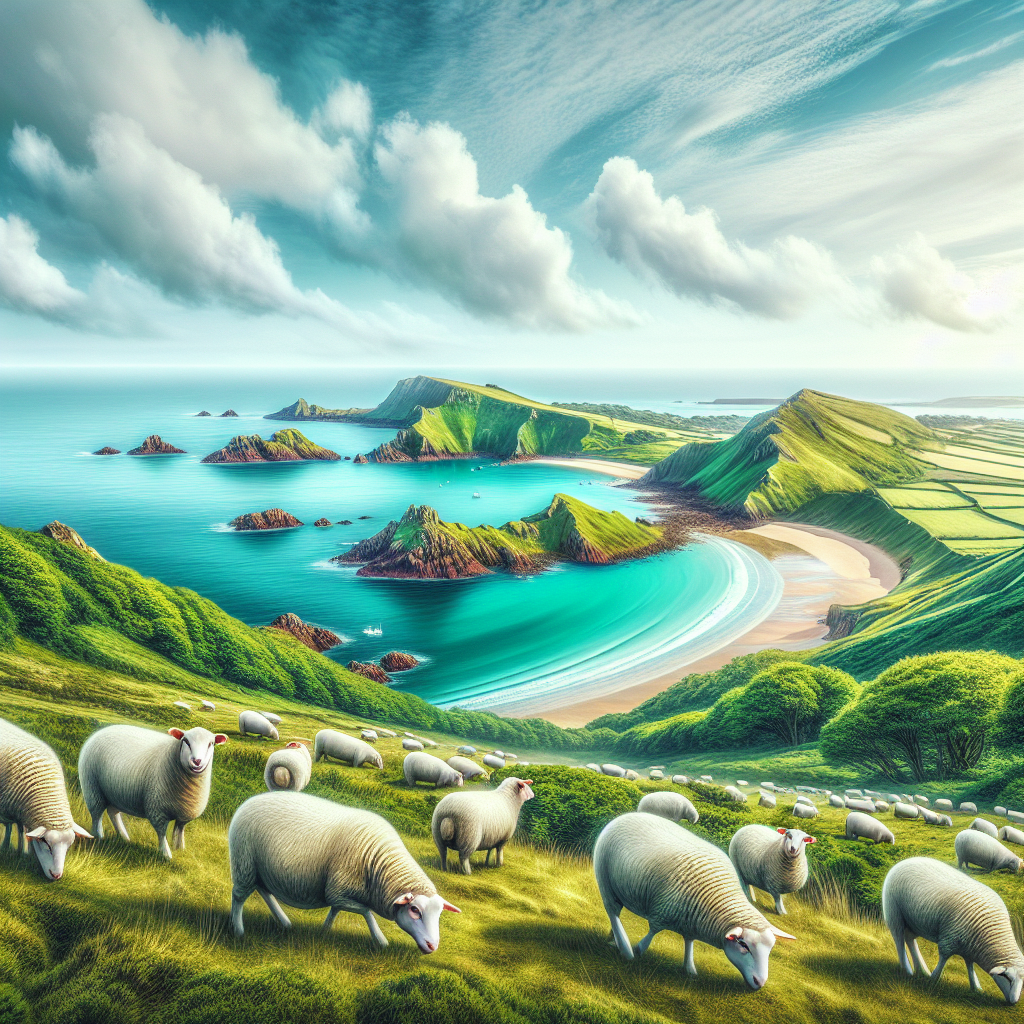
Jersey’s pastoral landscapes are experiencing a quiet revolution, courtesy of the island’s livestock. In a turn of events that’s both surprising and delightful, these creatures are not just part of the scenery; they’re actively reshaping it. The government has taken note, heralding the transformation of grasslands as a boon for the local environment.
### The Accidental Landscapers
It appears that Jersey’s cows, sheep, and goats might just be the most effective landscapers around. With every munch and meander, they’re sculpting the terrain, creating a mosaic of habitats that’s as good for the eye as it is for the ecosystem. It’s a case of nature knowing best, and the government’s acknowledgment of this fact is a refreshing nod to the wisdom of the wild.
### A Biodiversity Bonanza
The grazing patterns of these animals are doing more than keeping the grass in check; they’re fostering biodiversity. By preventing any one plant species from dominating, they’re ensuring that a variety of grasses and wildflowers can thrive. This, in turn, supports a richer tapestry of insect life and bird populations, making Jersey’s grasslands a hotspot for nature enthusiasts.
### Policy Implications
The transformation of Jersey’s grasslands could have far-reaching implications for the island’s environmental and agricultural policies. Recognizing the role of livestock in maintaining healthy ecosystems could lead to more sustainable farming practices and land management strategies that benefit both the economy and the environment.
### The NSFW Perspective
At NSFW, we’re raising a glass to Jersey’s four-legged gardeners. They’ve shown that sometimes, the best approach to environmental management is to let nature take the lead. For our readers who value the intersection of economic sensibility and environmental responsibility, this is a prime example of how traditional practices can yield modern ecological benefits. Jersey’s grasslands are not just changing; they’re thriving, thanks to the island’s unwitting eco-heroes.
In conclusion, the livestock-led transformation of Jersey’s grasslands is a testament to the power of natural processes in shaping our environment. The government’s recognition of this phenomenon could herald a new era of sustainable agricultural policy, where economic and ecological interests align. It’s a win-win for Jersey, proving that sometimes, the best thing we can do for our environment is to let nature take its course—albeit with a little help from our hoofed friends.