In brief: The head of the Jersey Cyber Security Centre has warned islanders to think carefully before connecting household appliances to the internet. The warning follows a wave of cyber-attacks on European supermarkets that caused freezer temperatures to soar above 50C. The CI Coop has confirmed it is reviewing its refrigeration systems in response.
The attack that put smart fridges in the spotlight
It is the kind of story that sounds like science fiction until it lands in your local supermarket. A spate of cyber-attacks across Europe, the BBC reports, targeted commercial freezer systems and drove temperatures above 50C (122F), affecting supermarkets across multiple countries as well as the UK meat industry and blood stores in France. The incidents have prompted a broader conversation about just how much of our everyday infrastructure is quietly, and perhaps unnecessarily, plugged into the internet.
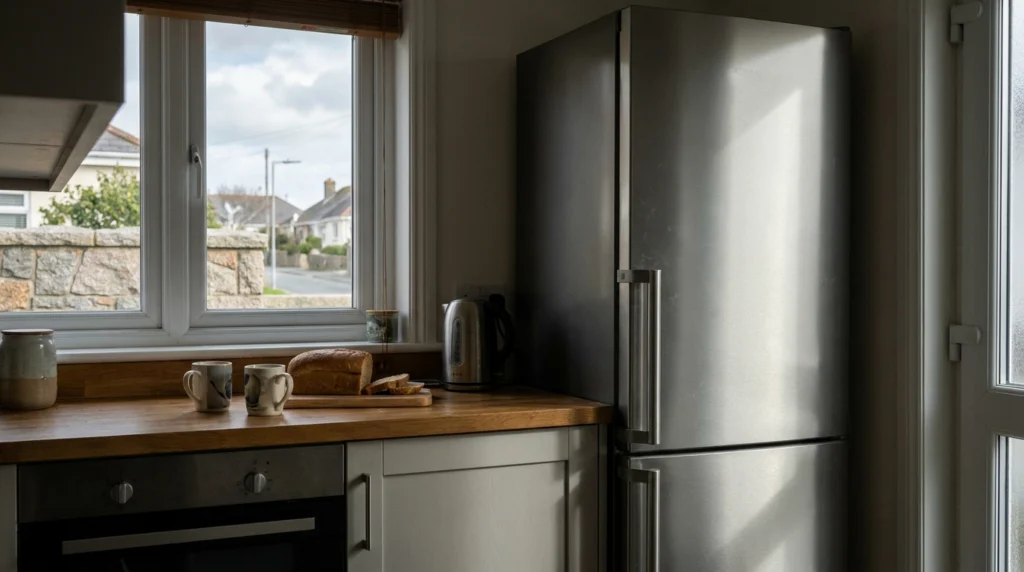
Matt Palmer, director of the Jersey Cyber Security Centre, has used the moment to issue a pointed reminder to islanders. He told the BBC he was “not suggesting that people should unplug devices, but that he would challenge whether everyone needs a connected fridge.” It is a deceptively simple question, and one that most people have never thought to ask.
A constant pulse of threat
Palmer’s warning is rooted in hard operational experience. His team runs three computers around the world designed to act as “honey pots”, systems that deliberately appear vulnerable in order to attract and observe hackers. What they see is not occasional or sporadic. “You will see these sudden bursts of attack, that does happen all the time, it can be quiet, it can be busy but it’s a constant pulse of activity by people around the internet scanning the systems to see if they are vulnerable,” he told the BBC.
The implications are sobering. Smart devices connected to the internet now include not just fridges but central heating systems, toasters and washing machines. Palmer was clear that the threat is not theoretical or distant. “It’s like it doesn’t really exist until it happens to you,” he said. “This is happening now, all the time, every single day and therefore any system that is connected to the internet, it is only a matter of time until someone finds a way to compromise it if it’s vulnerable.”
His practical advice was twofold: patch devices quickly when updates are available, and only connect devices to the internet if there is a genuine need to do so. The BBC notes there is no current evidence that domestic appliances are being targeted in the attacks that hit European supermarkets, but the incidents have raised legitimate questions about the routine linking of smart devices to the internet.
Jersey’s supermarkets and government respond
Mark Cox, chief executive of CI Coop, told the BBC that his supermarkets had security controls in place to guard against cyber threats and that the company took the issue “extremely seriously.” He confirmed that CI Coop is “carrying out a specific review of our refrigeration and freezer systems, including their connectivity and the arrangements we have in place with relevant suppliers and service partners.” Cox added that established procedures for monitoring refrigeration temperatures and protecting food safety were already in place and would continue to be reviewed in light of emerging threats.
At government level, the BBC reports that Paul Wylie, chief executive officer of the Government of Jersey, described cyber-security as one of the island’s “top risks” during a scrutiny hearing last month. The Cyber Security Policy Framework lists strengthening Jersey businesses’ cyber-security and resilience as a top priority. Wylie stated: “We will ensure businesses, organisations and islanders understand the cyber threats they face, supporting their adoption of relevant protective measures and their recovery from a cyber-attack.”
Source: BBC News