In brief: Jersey’s red squirrel population is flourishing, making the island an important refuge as the species faces growing extinction fears in England. The absence of grey squirrels, combined with community support and legal protections, has allowed the animals to thrive. Though not native to the island, they were introduced in 1885 and are now considered a beloved part of Jersey life.
A Stronghold in the Channel Islands
As conservationists raise the alarm about red squirrels potentially disappearing from England altogether, Jersey stands out as a rare bright spot. The BBC reports that the island is home to a thriving red squirrel population, largely because grey squirrels, which carry a virus deadly to their red cousins, are entirely absent from Jersey.
Across the UK, red squirrels are classified as endangered, with only around 120,000 to 160,000 remaining in the wild. Some strongholds persist in England, particularly on islands, but 75% of the British population is found in Scotland. Against that backdrop, Jersey’s healthy numbers are genuinely significant.
Henry Glynn, an ecologist with the National Trust of Jersey, told the BBC that the squirrels are “really iconic for Jersey”, despite not being native to the island. They were introduced in 1885 and Glynn describes them as “naturalised”, having become “assimilated into the natural environment” over many years. The National Trust of Jersey has described the island as an “important refuge” for the species, noting that they are “fairly widespread”, with inland valleys and woodlands being the best places to spot them.
People Power: Why Jersey’s Squirrels Are Thriving
The absence of grey squirrels is the primary reason for the red squirrel’s success in Jersey, but it is far from the only one. Nina Powell, senior animal carer at the JSPCA (Jersey Society for the Prevention of Cruelty to Animals), told the BBC that the animals also thrive “because people look out for them”.
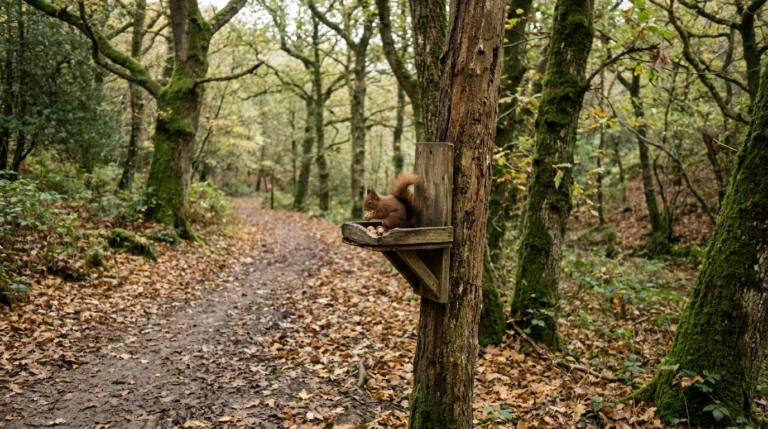
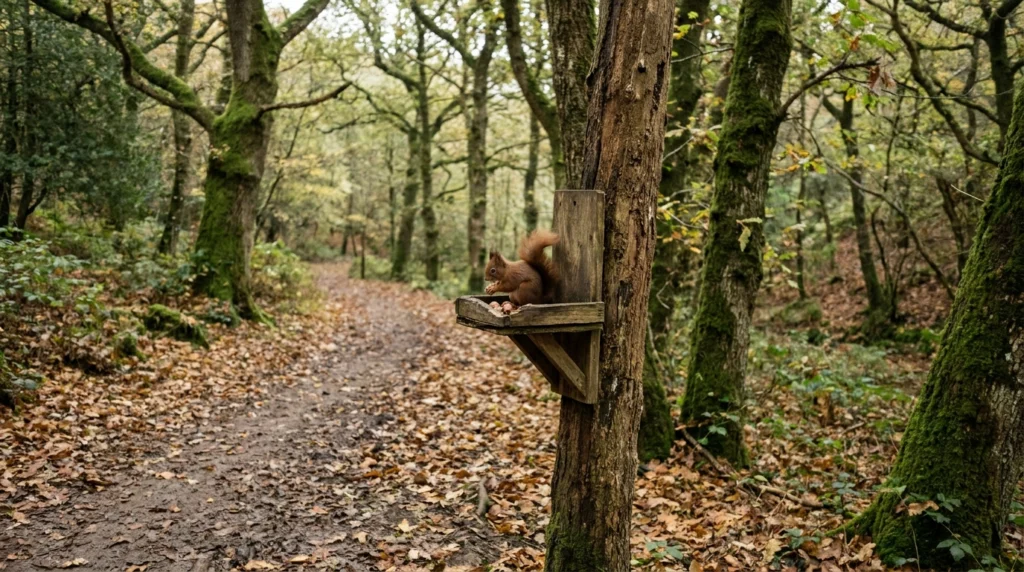
“A lot of people do support them, put out feeders and stuff like that,” she said. Powell also pointed to the island’s infrastructure as a contributing factor: rope bridges help squirrels cross roads safely, and Jersey’s relatively low speed limits reduce the risk of road casualties. Nature reserves across the island provide vital habitat at a time when, as Powell noted, “their habitats are decreasing everywhere”.
The JSPCA has handled 50 red squirrels so far this year, including hand-raising eight babies, known as kits or kittens. Powell described the animals as having distinct personalities: “Some of them don’t like us… some of them are quite sweet. They really do vary in personality.”
Glynn echoed the sentiment about community involvement, saying islanders are genuinely enthusiastic about their furry neighbours. “We get lots of reports from people who just want to tell us they’ve seen them because they’re so happy to have them around,” he said.
A Tourism Draw and a Legal Protection
The red squirrel’s appeal extends beyond conservation circles. Glynn noted that visitors from the UK frequently cite seeing a red squirrel as one of the things they most want to do while in Jersey, precisely because the animals are so rare and difficult to spot back home. The species has previously featured in Visit Jersey tourism campaigns, including one fronted by conservationist Ben Fogle.
The squirrels are also legally protected in Jersey, meaning it is a criminal offence to harm them. That legal framework, combined with public affection and active conservation efforts, has created conditions in which the species can genuinely flourish.
Source: BBC News