In brief: UK inflation climbed to 3.6% in October, its highest level in a year, driven largely by surging petrol and diesel prices linked to the US-Israel war with Iran. The Bank of England has already raised interest rates from 3.75% to 4% this month, and Governor Andrew Bailey has hinted that further hikes may follow. For Jersey households, higher energy bills and dearer fuel are a very real concern heading into winter.
Inflation Hits a One-Year High
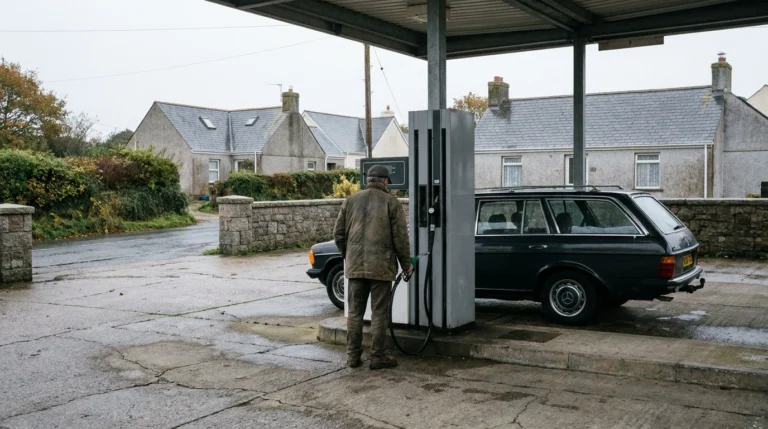
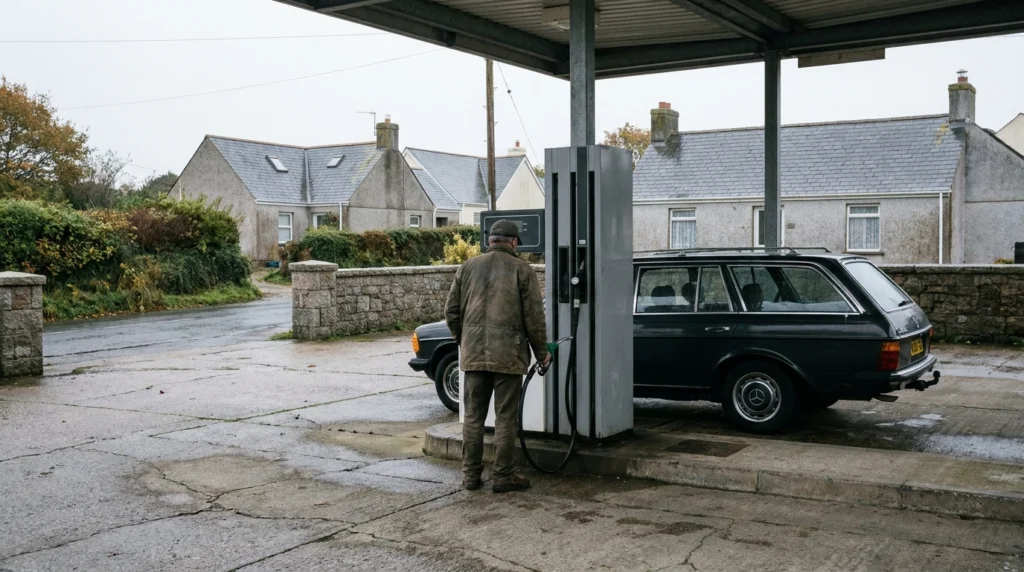
Official figures show that prices rose 3.6% in the year to October, up from 3.5% in September, the BBC reports. The primary culprit is fuel: petrol prices rose by 5.2p per litre between September and October, with the average price hitting 174.7p per litre last month, the highest since August 2022. Diesel fared even worse, averaging 199.5p per litre in October, the highest price since records began 30 years ago.
Grant Fitzner, chief economist at the ONS, confirmed that fuel prices were “once again a major contributor” to the increase, adding that “annual costs of both raw materials and goods leaving factories continue to climb, driven by higher crude oil and petrol prices, respectively.” The conflict in the Middle East is the engine behind much of this, with the BBC noting that the US-Israel war with Iran has driven up the cost of energy and fuel in recent months.
There were some modest bright spots. Food price inflation rose by just 0.9%, the slowest pace in five years. Price inflation in restaurants and cafes slowed last month, and hotel prices fell on average. Core inflation, which strips out energy and food, was little changed, a figure the Bank of England watches closely when setting rates.
Energy Bills Set to Surge Further
The pain at the pump is only part of the picture. Consultancy Cornwall Insight forecasts that a typical annual household energy bill will jump by £443 a year from January, a rise of 26%, ahead of the official announcement next week. That would push a typical annual bill to £2,166.
Craig Lowrey, Cornwall Insight’s retail markets principal, was blunt: “ultimately this support can only chip away at the edges of a bill that continues to be pushed up by events in the Middle East.” The UK government has responded by cutting VAT on electricity bills to zero until next July and announcing a £100 payment to 20 million homes in January, a policy confirmed in the Budget. Emma Reynolds, chief secretary to the Treasury, said the government was providing help for households with energy costs.
Shadow chancellor Andrew Griffith was less charitable, attributing four successive rises in the inflation rate to the UK’s “soaring energy costs” and Labour’s decision to “hike taxes and employment costs.”
Interest Rates Rise, and May Rise Again
The Bank of England raised interest rates for the first time in three years earlier this month, moving from 3.75% to 4% in a bid to slow inflation back to its 2% target. A Bank spokesperson said it raised rates “to limit how much higher energy costs affect other prices, and will continue to set interest rates to make sure inflation returns to the 2% target and stays there.”
City A.M. reports that Governor Andrew Bailey said he wanted to “emphasise” the point that rates may have to be hiked further, citing a “firming in the labour market.” The Standard reports that Bailey addressed the Institute of Economic Development conference on Wednesday, stressing that rates are not “pre-set,” leaving the door open for a December move.
The Bank’s own forecasts make for uncomfortable reading. Policymakers believe inflation could peak at 4.9% in the middle of next year and not return to 2% until 2028. In an “adverse scenario,” where the US-Iran conflict escalates further, inflation could reach 6.2% in 2027. The stable core inflation figure does, however, give the Bank some reason to pause in December rather than act immediately.
Higher interest rates lift the cost of borrowing on some mortgages, loans and credit cards, though they can also improve returns on savings. For Jersey residents with variable-rate mortgages or those looking to remortgage, the direction of travel from the Bank of England is not a comfortable one.
Source: BBC News, cityam.com, standard.co.uk, independent.co.uk