In brief: The £110 million estimate to redevelop Fort Regent is set to rise, Jersey’s Infrastructure Minister has confirmed. Inflation, design changes, and the impact of the Middle East conflict have all pushed costs upward, though a new total figure has not yet been announced.
A Rising Bill for a Grand Vision
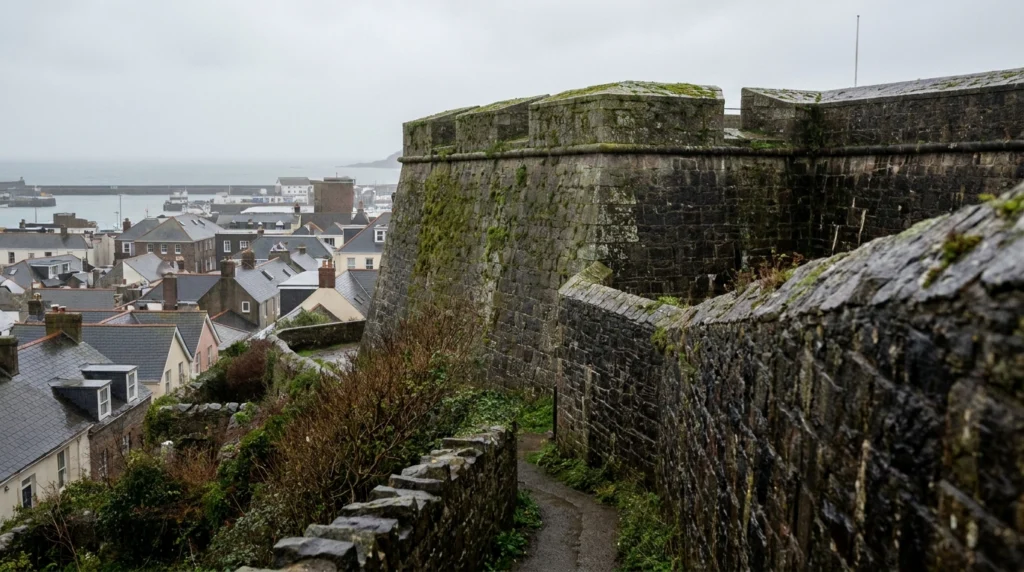
Fort Regent, the Grade I listed hilltop fortress overlooking St Helier, has long been earmarked for a dramatic transformation. The government’s plans, as the BBC reports, include a 2,500-seat theatre, a 12-lane bowling alley, a six-screen cinema, and a range of food and drink venues. It is, by any measure, an ambitious undertaking. The price tag to match was always going to be significant, and it turns out the original £110 million estimate was, shall we say, optimistic.
Infrastructure Minister Jonathan Renouf, answering a written question, confirmed that the costing established two years ago has been affected by inflationary pressures, design changes, safety requirements, and the natural progression of the programme. For good measure, the conflict in the Middle East was cited as an additional complicating factor, having compounded risks that were unforeseen ahead of the pre-election period. The new total cost remains unclear.
Delays, Elections, and a Paused Steering Group
The mechanics of how this cost increase came to light are themselves revealing. The Regeneration Steering Group (RSG), the body tasked with approving changes to the project, was unable to meet during the election period, which began in April. Its final meeting before the 2026 election period had taken place on 11 February.
During that gap, officers were informed by the States of Jersey Development Company that estimated costs had increased and that this would have, in the company’s own words, “a material bearing” on the RSG’s next meeting. Plans were duly paused until a new RSG convened on 17 September, following the election.
At that September meeting, members decided that changes needed to be made to phase one of the project, while retaining its essential elements: fixing the roof, removing asbestos, and updating utilities. Notably, the original £43 million cost of phase one is not expected to change, though the BBC reports that the revised timeline for starting the work has not been formally approved.
Renouf sought to reassure islanders that momentum would be maintained, stating that the RSG “has placed a strong focus on resolving plans for the fort and will be meeting monthly to ensure progress is sustained.”
What This Means for Jersey
For Jersey residents, this is a story that will feel familiar. A major public project, a headline cost estimate, and then, in due course, the quiet acknowledgement that the figure has grown. The causes cited, inflation, design changes, global instability, are all real and not unique to Jersey. Construction costs have risen sharply across the developed world in recent years, and any large-scale project involving a historic listed building carries inherent complexity and risk.
Fort Regent has been a source of community debate for years. Once a beloved leisure centre, it has sat in a state of managed decline while various plans for its future have been drawn up, discussed, and revised. The building’s listed status adds layers of constraint and cost that a straightforward new-build would not face. Asbestos removal and roof repairs alone, the core of phase one, are not glamorous expenditures, but they are essential before any of the more exciting elements can follow.
The absence of a confirmed new total cost figure will do little to settle public nerves. Islanders will reasonably want to know, before further commitments are made, what the revised bill actually looks like.
Source: BBC News