In brief: Jersey’s government says it is working closely with the UK to ensure the island’s agriculture and aquaculture sectors are included in a new post-Brexit agreement that would strip away costly export checks. The draft SPS (sanitary and phytosanitary) deal, running to 200 pages, has been circulated to EU nations ahead of a meeting next week. Full implementation is not expected until 2028.
What Is the SPS Agreement and Why Does It Matter?
For anyone who has watched Jersey’s farming and fishing industries wrestle with post-Brexit paperwork, this week’s news will feel like a long-overdue breath of fresh air. The BBC reports that a 200-page draft text for a new UK-EU SPS agreement, designed to remove post-Brexit checks on food and agriculture exports, has been circulated to EU member states ahead of a meeting next week.
In plain terms, SPS stands for sanitary and phytosanitary, which is the bureaucratic shorthand for the rules governing food safety, animal health and plant health. Since Brexit, exporters on both sides of the Channel have been buried under a blizzard of certificates and inspections. The new deal, if finalised, would cut through much of that.
According to the BBC, the agreement would allow exports to the EU of fresh sausages, burgers, shellfish from domestic waters and seed potatoes to resume. It should remove the need for £200 Export Health Certificates and £25 Phytosanitary certificates. Inspector fees, organic certificates, some port fees and other checks for exports and imports to and from the EU could also be removed. As a bonus, it would even bring back pet passports for British animals travelling into Europe.
The UK government has claimed the deal will eventually deliver £5.1 billion worth of annual benefits.
Jersey’s Position: Hopeful, But Not Yet Certain
Jersey’s inclusion in such arrangements is never automatic, and the Government of Jersey is being appropriately cautious. A spokesperson told the BBC: “It’s too early to guarantee our automatic inclusion.” That is an honest admission, and one that will be familiar to anyone who has followed the island’s sometimes awkward position in UK-EU negotiations, where Jersey sits close enough to be affected by everything yet is not always remembered when the deals are being written.
The same spokesperson was more optimistic about the direction of travel, however: “We expect Jersey to see a reduction in trade barriers, making it easier and more cost-effective for wholesalers and retailers to both export to, and source specialist products from, the EU and Northern Ireland.”
The government also confirmed it has been working closely with the UK to ensure Jersey businesses, particularly in agriculture and aquaculture, benefit from the new SPS Agreement, and that it will be ready for 2028, when the new arrangements are expected to start, amending Jersey’s legislation if necessary.
The Human Cost of the Current Regime
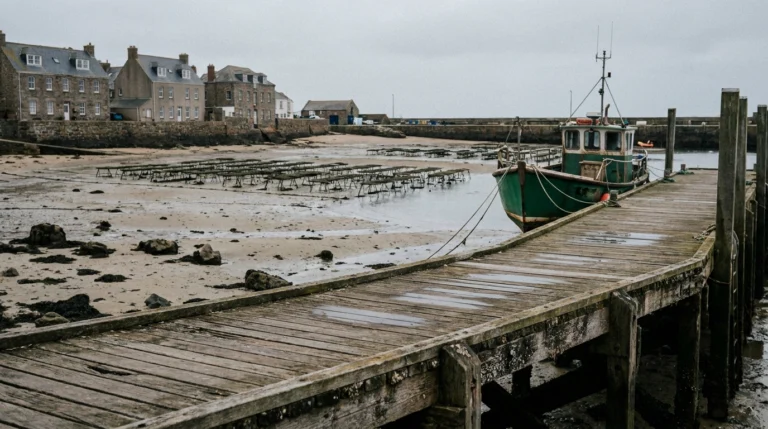
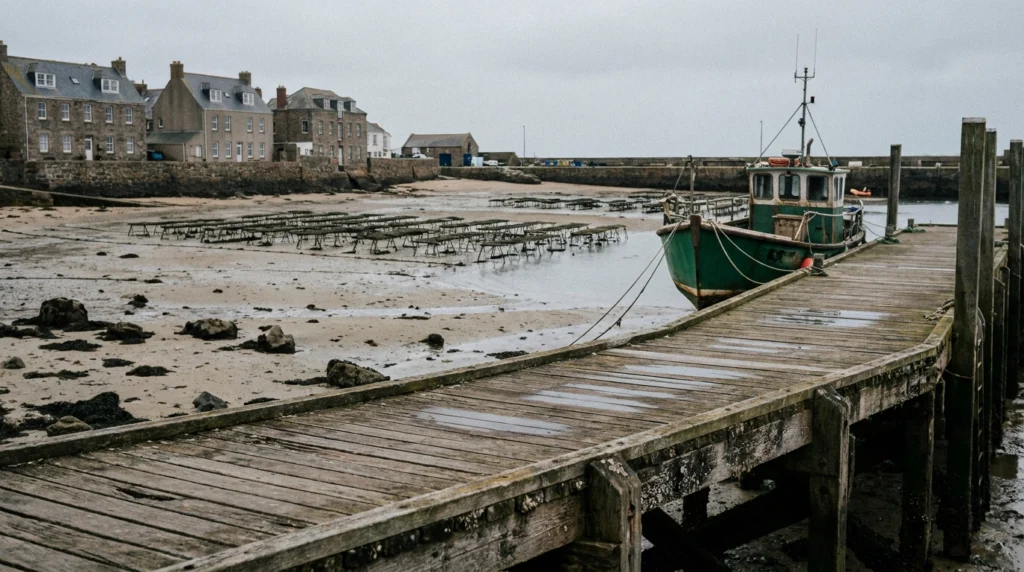
The stakes are not abstract. The BBC notes that Chris Le Masurier, who runs Jersey Oyster Company, recently said Jersey fishers were at a disadvantage compared to their French counterparts. That is a pointed observation from someone operating in one of the island’s most distinctive and internationally recognised industries. Jersey oysters are not a commodity; they are a premium product with a global reputation, and every unnecessary certificate or port fee chips away at the margins that make exporting them viable.
Seed potatoes are another case in point. Jersey Royals are as closely tied to the island’s identity as granite and green lanes, and the resumption of seed potato exports to the EU, if confirmed, would be a meaningful win for the agricultural sector.
Source: BBC News