In brief: Jersey Trees for Life has accused the Government of Jersey of a “fundamental strategic error” by leaving environmental protection out of its proposed Common Strategic Policy for 2026 to 2030. The charity is calling for nature to be added as a core priority, backed by a named minister, measurable targets and a funded programme of work. It also warns that only around £8 million appears to be allocated to the natural environment for 2027, with no clarity on how it will be spent.
Eleven priorities, but no room for nature
The Government of Jersey has set out 11 proposed strategic priorities to guide its work over the next four years. According to Bailiwick Express, not one of them explicitly covers protection of the natural environment. For Jersey Trees for Life, that is not an oversight to be quietly corrected in the footnotes: it is, in their words, a “fundamental strategic error”.
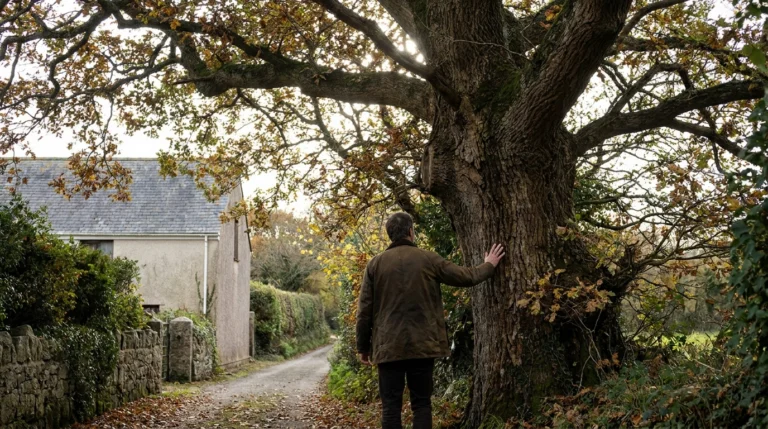
The charity argues that clean air, clean water, healthy soils, trees and functioning ecosystems are not peripheral concerns. They are, it says, the foundation on which the government’s own ambitions for health, housing, education and economic prosperity actually rest. Strip those foundations away, and the rest of the policy document becomes a rather optimistic wish list.
Chief executive Alex Morel put it plainly: “Government cannot credibly promise a healthier, more prosperous and resilient island while leaving the living systems that sustain it outside its central priorities. Nature is not an optional extra or a departmental side issue. It is the foundation of Jersey’s economy, public health and quality of life.”
A vision at odds with itself
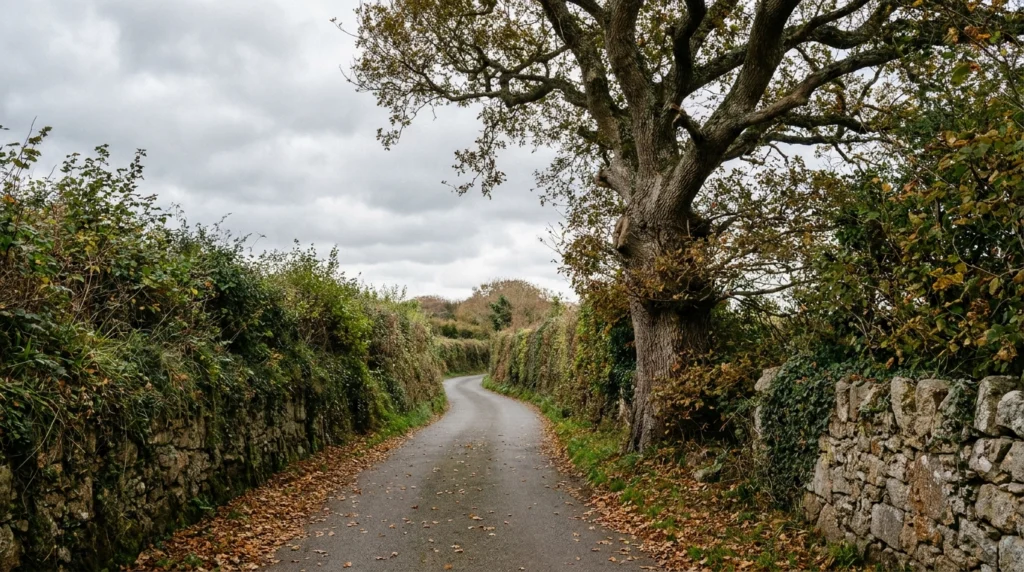
The charity points to what looks like a telling contradiction within the government’s own documents. The long-term vision described in the policy speaks of “an island loved for its beautiful coast and countryside, rich heritage, diverse wildlife and clean air, land and water.” Jersey Trees for Life argues that omitting environmental protection from the strategic priorities makes that vision rather difficult to achieve.
The government does reference climate change and net zero commitments elsewhere in the policy, but the charity is clear that cutting carbon emissions and protecting the natural environment are not the same thing. Reversing wildlife losses, restoring habitats, protecting important trees, and preventing the spread of invasive pests and diseases are distinct challenges that, it says, are simply not addressed.
Mrs Morel warned that Jersey’s natural environment is already “under considerable pressure from climate change, invasive non-native species, newly imported pests and diseases, development and declining soil and water quality.” Leaving those pressures unaddressed at a strategic level, the charity argues, risks storing up greater environmental, social and financial costs for future generations.
What the charity is asking for
Jersey Trees for Life is not simply raising a complaint. It has set out a specific set of asks for ministers. It wants environmental protection and restoration added as a core priority in the Common Strategic Policy, with a named minister holding responsibility for it, measurable targets, public progress reports and a properly funded programme of work.
On the question of funding, the charity raises a pointed concern. “It appears that only around £8 million is allocated to the ‘Natural Environment’ for 2027 and we don’t know how this will be spent,” said Mrs Morel. For a government that routinely speaks of its commitment to Jersey’s environment, a lack of transparency over how even that modest sum will be deployed is a reasonable thing to question.
The charity is also calling for a dedicated government tree officer, with responsibility for tree protection, specialist arboricultural advice on planning applications, and delivery of the published tree strategy. It warns that without such investment, environmental decline could increase pressure on public health, water supplies, agriculture, infrastructure and household finances, while also weakening Jersey’s appeal to residents, visitors and businesses.
Source: Bailiwick Express