In brief: The £110 million redevelopment of Fort Regent in St Helier is running behind schedule, with officials citing the election period and refinements to phase one works as the main causes. The £43 million already approved for the first phase remains committed in the 2027 budget proposals, covering essential repairs and infrastructure. A final planning application for phase one is expected to be submitted towards the end of November.
What Is Planned for the Old Fort?
Jersey Development Company’s vision for Fort Regent is, on paper, rather ambitious. The BBC reports that the £110 million revamp includes a 2,500-seat theatre, a 12-lane bowling alley, a six-screen cinema, play areas, climbing and bouldering facilities, and a range of places to eat and drink. For an island that has watched the old fort sit underused for years, the prospect of such a transformation has understandably generated considerable interest.
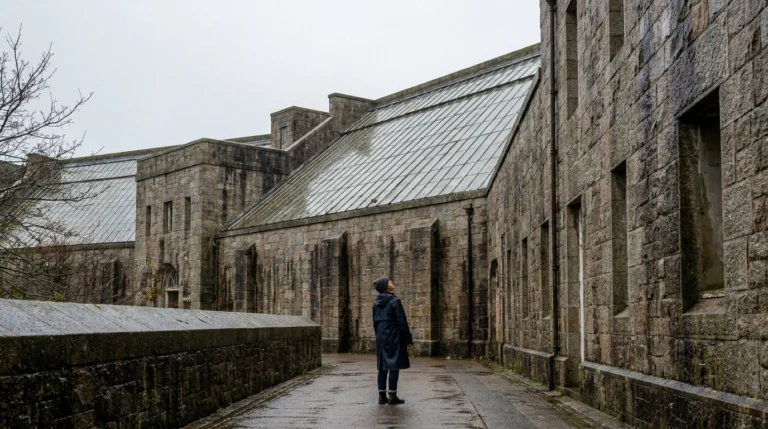
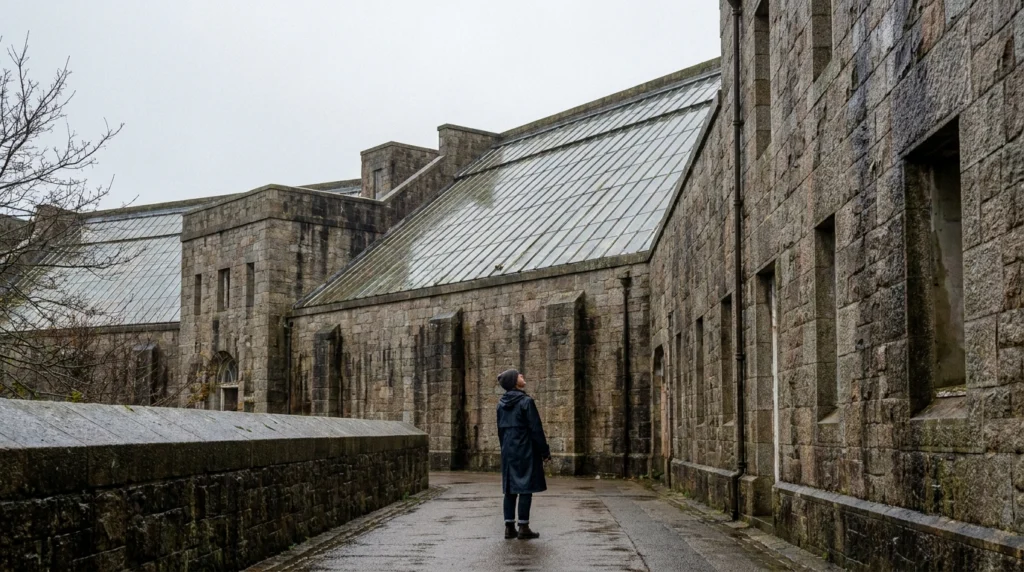
The first phase, however, is rather more prosaic. The £43 million committed to phase one will cover essential repairs and infrastructure needed to secure the building and enable future phases. According to the BBC, this includes repairs to the historic roof and extensive glazing, conservation works to the walls, replacement and upgrading of outdated services, and drainage and fire safety improvements. In other words, before anyone bowls a single frame or watches a film, the building needs to be made safe and sound.
Why the Delay?
Officials have been candid, if somewhat diplomatic, about the reasons for the hold-up. The island’s government told the BBC that the scheme was delayed partly due to the election period and partly because of refinements to the scope of works within phase one. These are not, it must be said, the most electrifying explanations ever offered for a major public project running late, but they are at least honest ones.
Officials also pointed to the inherent complexity of the site. “Fort Regent is a complex listed Georgian fort,” they said. “The design, planning and conservation considerations required for a project of this nature add to the time needed to ensure the work is carried out appropriately.” That is a fair point: working on a listed historic structure is not the same as throwing up a new office block, and cutting corners on conservation would be a false economy.
Design work is continuing, and the current programme is to submit a final planning application for the phase one works towards the end of November. Subject to planning approval, the BBC reports that expressions of interest will be sought from the construction market in the new year, ahead of the main procurement process.
The Public Purse and the Timeline
The £43 million approved for Fort Regent remains in the 2027 budget proposals, according to officials. For Jersey taxpayers, the reassurance that the money is still committed will be welcome, though the phrase “remains in the budget proposals” is doing quite a lot of work there. Budget proposals, as any seasoned observer of the States Assembly will know, are not quite the same as money already spent.
The election period cited as a contributing factor to the delay is a reminder of how political cycles can slow down even well-funded infrastructure projects. When governments change, or when ministers are distracted by campaigning, the machinery of major projects can slow to a crawl. It is a structural problem that affects governments of all stripes, but it is one that taxpayers and residents waiting for a revitalised Fort Regent will find little comfort in.
The timeline from here runs roughly as follows: planning application submitted late November, expressions of interest from contractors in the new year, and then the main procurement process. Given that phase one is essentially repair and enabling work, the more exciting elements of the development remain some way off.
Source: BBC News