In brief: As the clocks go back this weekend, the perennial debate over whether the British Isles should adopt Central European Time has resurfaced. Jersey held a referendum on the question 18 years ago, and the man who triggered it still believes the island made the wrong call. The UK government, for its part, says it has no plans to change anything.
Jersey’s Referendum, Revisited
It is that time of year again: the mornings get a little brighter, the evenings close in like an unwelcome relative, and somebody, somewhere, starts asking whether the whole arrangement might be improved. This year, as the BBC reports, the question of Central European Time (CET) is back in the spotlight, with farmers, tourists, dog walkers and harbour masters all weighing in.
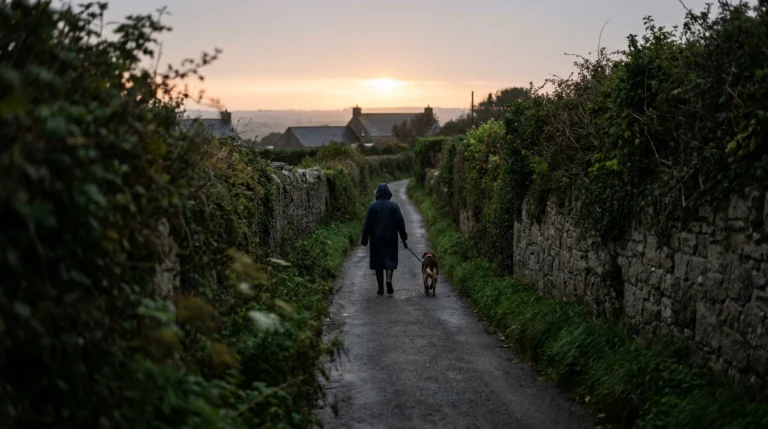
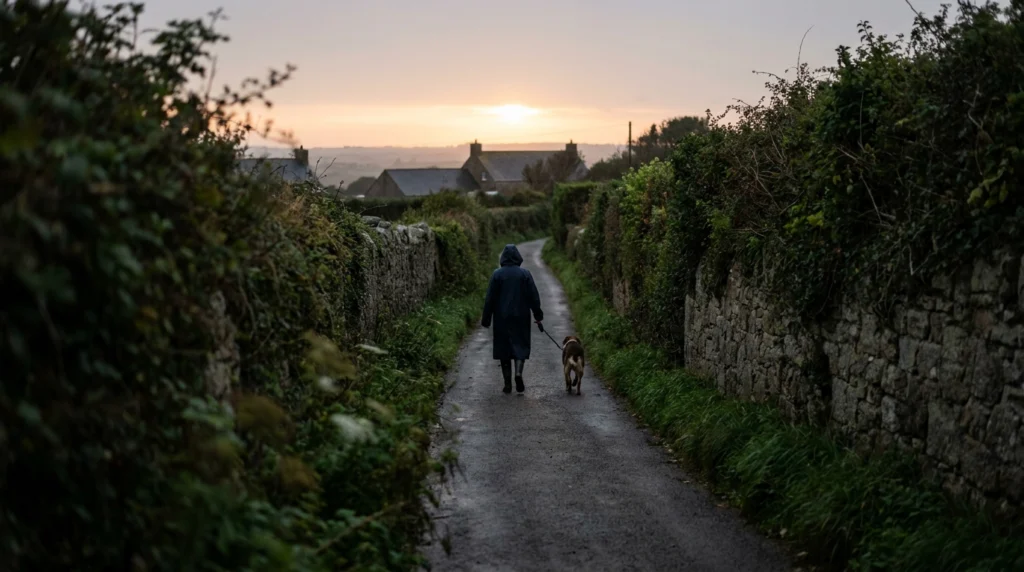
Jersey has history here. Eighteen years ago, former senator Jimmy Perchard triggered what the BBC describes as the island’s first ever referendum on whether Jersey should shift its clocks to align with the Continent. Nearly 24,000 people voted, and 6,564 said yes. The motion failed, but Perchard has not made his peace with the result. “Adopting CET would have improved our quality of life,” he told the BBC, arguing that Jersey’s geographical proximity to France makes it “geographically suited” to the change. Children, he said, would still go to school in daylight, while sports clubs, social groups and dog walkers would enjoy “lovely longer evenings” and people would “burn less fuel.”
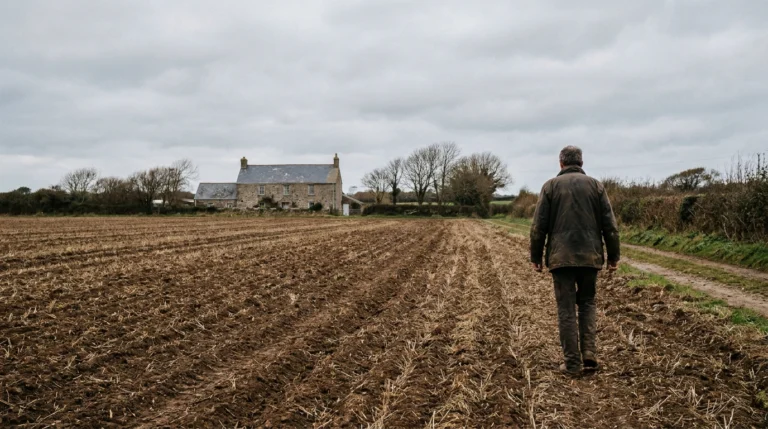
His brother Robbie Perchard, who farms in St Martin, sees it rather differently. “I’m happy with the status quo,” he said. “Kids would have to go to school in the dark. For farmers it’s different, we work in the dark whatever the season.” A tidy family disagreement that rather mirrors the national one.
Paul Houzé, president of the Royal Jersey Agricultural and Horticultural Society, told the BBC he supports an extra hour of evening daylight in winter, in line with CET, though he doubted Jersey would actually make the change.
The Broader Debate: Benefits, Drawbacks and Scotland’s Veto
Advocates of CET point to lighter evenings as a boost for sport, exercise, tourism and energy savings. The BBC reports that proposals have been raised in the UK Parliament, including the Daylight Savings Private Members’ Bill in 2011, and the argument has been simmering for decades.
The case for change has, however, consistently run into a wall of opposition from Scotland, where adopting CET would leave some areas without daylight until 10am in winter. A trial from 1968 to 1971 saw a net increase in the number of people killed or seriously injured in northern Scotland, the BBC notes, giving critics solid ground to stand on.
In the south-west of England, opinion is similarly divided. Sally Everton, director of Visit Devon, told the BBC she could see the tourism benefits of aligning with Europe, including a longer season, a boost to hospitality and simpler travel schedules for European visitors. Paul Britton, harbour master of the Dart in Devon, argued that an extra hour of winter evening daylight would generate “more economic activity,” while Elle Spicer, who runs a women’s walking group in Devon, said darkness acts as “a curfew for women,” discouraging evening exercise.
Farmers in Devon and Cornwall were, predictably, less enthusiastic. Several told the BBC they preferred the current arrangement, valuing the extra morning light for early starts. One fourth-generation farmer recalled that his grandparents simply refused to change the clocks at all, describing the whole business as “a faff.” Some traditions run deep.
The Government’s Position
The UK government has made its view plain. A spokesperson told the BBC: “We believe the current daylight-saving arrangements represent the optimal use of the available daylight across the UK and we therefore have no plans to introduce any changes.” The government added that there is “insufficient evidence” to support changing the system, including for travel, tourism and energy usage.
The BBC reports it has also asked the States of Jersey and Guernsey for comment, though no response was included in the published report.
British Summer Time ends this Sunday, 25 October, at 02:00 BST, when the clocks go back one hour.
Source: BBC News