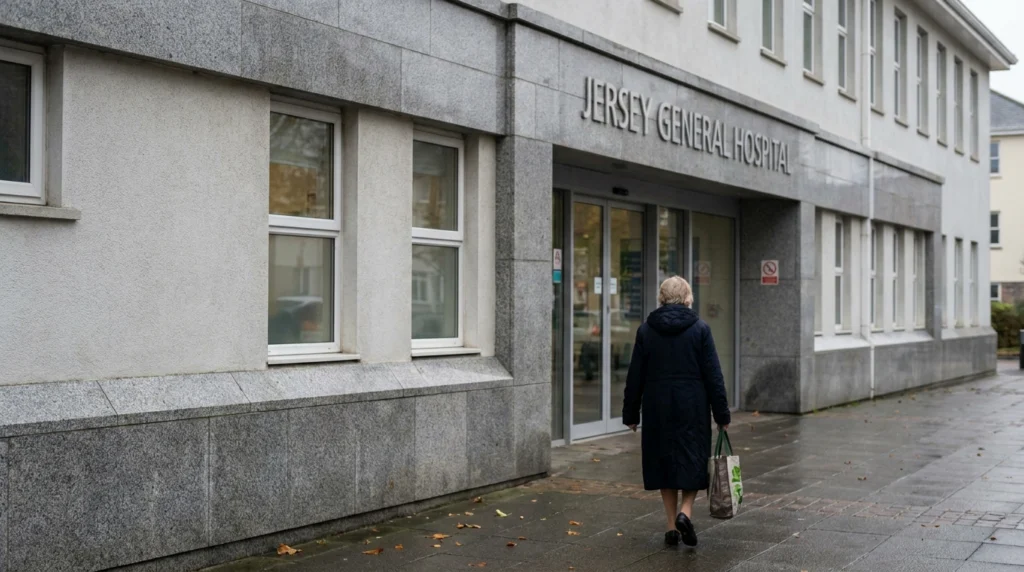
In brief: Health Minister Senator Tom Binet has admitted that warning signs about a serious hospital IT failure were missed for months. The fault meant that around 7,300 discharge letters, roughly 27% of all summaries issued between February and July, may never have reached GPs electronically. A Serious Incident Review is now under way.
What Went Wrong, and When
The Jersey Evening Post reports that the earliest identified technical alert occurred on 10 February, yet the problem was not escalated as an explicit clinical-safety risk until 9 July, and was only made public on 15 July. That is five months during which the system was quietly failing patients, GPs and the broader healthcare chain.
Hospital discharge letters are not bureaucratic trivia. They tell a patient’s GP why the patient attended hospital, what treatment was given, what medications were changed and what follow-up care is needed. When those letters go missing, the consequences can be serious. The JEP reports that one GP practice found that a patient’s requested blood tests had not been completed and medication changes had not been actioned, precisely because the discharge information never arrived. That case has been referred for clinical review to determine whether it constitutes confirmed harm, a near miss or delayed care without identified harm.
In a letter to the Health and Social Security Scrutiny Panel, Senator Binet acknowledged that by late April, technical investigations had identified unusually large discharge files, but the full scale and potential clinical significance of the problem were still not recognised. A support incident concerning missing summaries was then closed on 1 June, the JEP reports, “without the underlying issue being confirmed as resolved.” Reports of missing summaries continued throughout June before the matter was finally treated as a clinical-safety risk in July.
Why It Took So Long to Spot
Senator Binet’s letter to the Scrutiny Panel offers a candid, if uncomfortable, explanation of how the failure remained hidden for so long. Existing delays in producing discharge summaries helped conceal the fault: GP practices had no way of distinguishing between documents that were simply unfinished and those that had been lost in transmission. Monitoring systems failed to clearly identify undelivered documents or show a cumulative total of those affected. Individual reports were treated as separate, unrelated technical cases rather than symptoms of a single underlying problem.
Asked directly whether opportunities had been missed to identify the problem earlier, the Health Minister replied: “Yes. The evidence indicates that there were earlier signals which, when considered collectively, could have led to the wider problem being recognised sooner.” That is a frank admission, and credit where it is due for saying so plainly.
Where Things Stand Now
The backlog has been cleared and electronic processing restored. Senator Binet told the Scrutiny Panel there remains “no evidence of widespread patient harm,” though he was careful to note that this does not mean every individual case has completed clinical assessment. The Serious Incident Review is expected to conclude within a month and will be shared with the Scrutiny Panel.
Whether the public will ever see the full findings is less certain. The Health Minister cited patient confidentiality, information security and commercial sensitivities as reasons why wider publication could not be guaranteed. That will do little to reassure islanders who reasonably want to know how their health service allowed a five-month failure to go unaddressed.
Perhaps most striking is Senator Binet’s response when asked whether comparable risks could exist elsewhere in the department’s digital systems. He declined to give an absolute assurance that they could not, saying only that “wider lessons” were “being addressed.” For a health service that handles sensitive data and life-affecting communications every day, that is not exactly a ringing endorsement of its own IT infrastructure.
Source: Jersey Evening Post