In brief: Jersey’s red squirrel population is thriving, making the island an important refuge as the species edges closer to extinction in England. The complete absence of grey squirrels, combined with community support and legal protections, has allowed the animals to flourish across the island’s woodlands and valleys.
A Stronghold in the Channel Islands
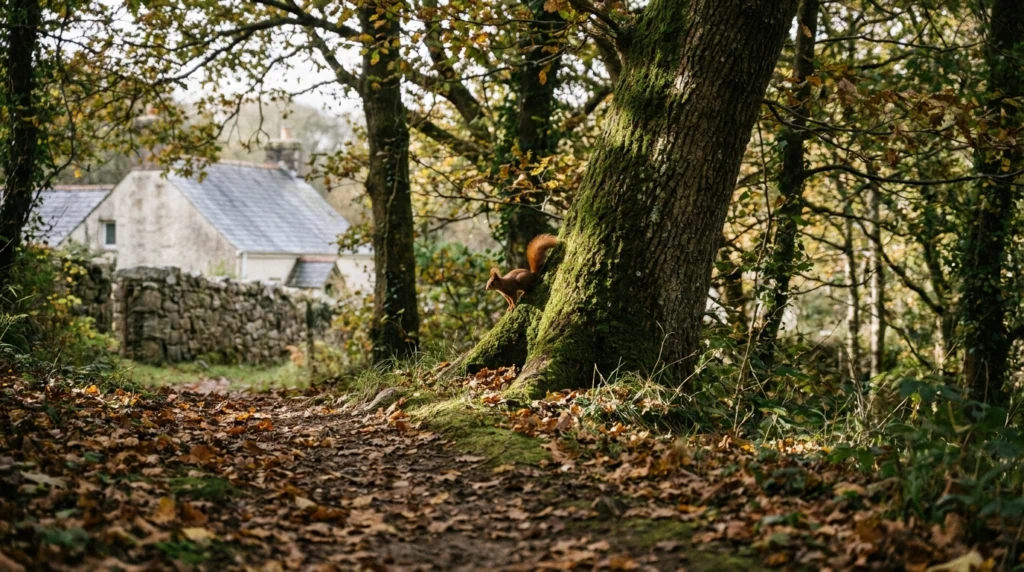
While conservationists in England are sounding increasingly urgent alarms about the future of the red squirrel, Jersey is quietly getting on with the business of keeping them alive and well. The BBC reports that the island has become one of the most significant refuges for the species in the British Isles, with the National Trust of Jersey describing the red squirrel population as “fairly widespread” across the island’s inland valleys and woodlands.
The key to Jersey’s success is straightforward: there are no grey squirrels. In mainland Britain, grey squirrels carry squirrelpox, a virus that is lethal to their red cousins but harmless to themselves. Without that threat, Jersey’s reds have been free to establish themselves across the island. Across the UK, the red squirrel population stands at somewhere between 120,000 and 160,000, with around 75% of those living in Scotland. In England, the species is in serious trouble.
Henry Glynn, an ecologist with the National Trust of Jersey, told the BBC that despite not being native to the island, red squirrels had become thoroughly “naturalised” since their introduction in 1885, becoming “assimilated into the natural environment” over generations. He described them as “iconic for Jersey”, noting that visitors from the UK frequently list spotting a red squirrel as one of their top priorities when they arrive, precisely because the animals are so rarely seen back home.
Community Care Makes the Difference
Beyond the fortunate absence of grey squirrels, the animals owe much of their success to the islanders themselves. Nina Powell, senior animal carer at the JSPCA, told the BBC that Jersey has a “good population” and that “you can see them almost anywhere.” She attributed part of that success to the fact that “people look out for them,” with many residents putting out feeders and supporting the squirrels in their gardens.
Powell also pointed to practical infrastructure that has helped the animals navigate an increasingly developed landscape. Rope bridges allow squirrels to cross roads safely, and the island’s relatively low speed limits reduce the risk of road casualties. “Their habitats are decreasing everywhere,” she acknowledged, “but we do have quite a lot of nature reserves.”
The JSPCA has handled 50 red squirrels so far this year, including hand-raising eight kits. Powell was careful to note the organisation’s philosophy: “We want to keep all animals as wild as possible, so we try and be as hands-off as possible.” She added, with some affection, that the animals vary considerably in temperament: “Some of them don’t like us… some of them are quite sweet.”
Glynn echoed the point about community involvement, saying the squirrels were “really beloved amongst the local community.” He told the BBC: “We get lots of reports from people who just want to tell us they’ve seen them because they’re so happy to have them around.”
Legal Protection and Tourism Appeal
Red squirrels in Jersey are legally protected, meaning it is a criminal offence to harm them. That protection, combined with the island’s natural advantages, has helped cement their position. The animals have also featured in Visit Jersey tourism campaigns, including one fronted by conservationist Ben Fogle, underlining their value not just ecologically but economically as a draw for visitors from the mainland.
For Jersey residents, the red squirrel has become something of an unofficial ambassador for the island’s natural environment, a living reminder that small, well-managed places can sometimes do what larger nations struggle to achieve.
Source: BBC News