In brief: A Jersey vehicle recovery specialist with more than 40 years of experience has warned that the Island has no adequate infrastructure for disposing of electric vehicle batteries. Robin Ward says the Government of Jersey has repeatedly failed to act on the issue, despite actively encouraging islanders to switch to electric vehicles.
A Problem Sparking Concern
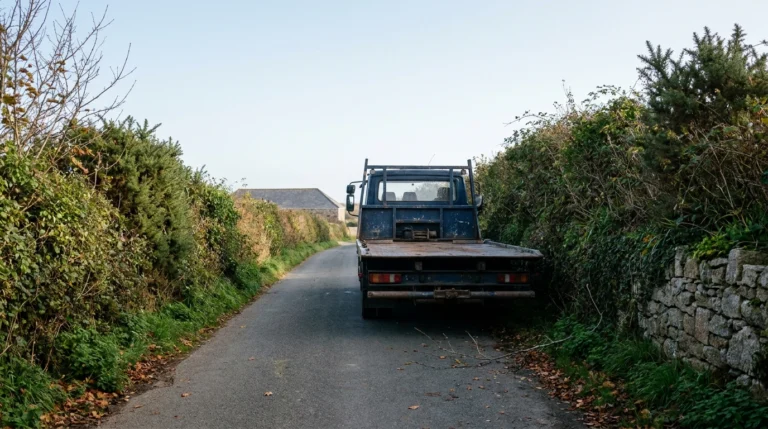
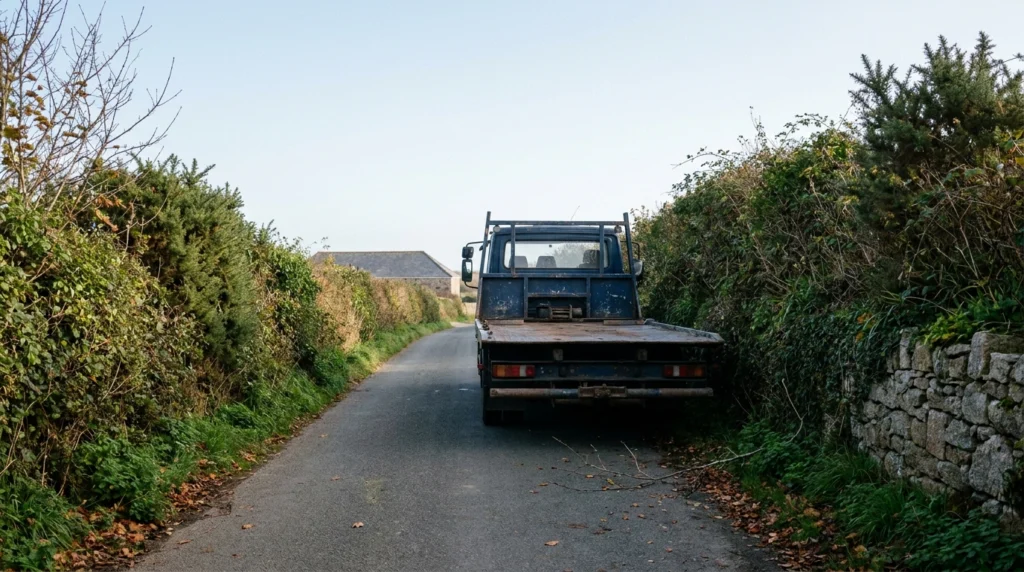
The issue has been brought into sharp focus following an islander’s account of their hybrid car catching fire and the subsequent difficulty in dealing with the written-off vehicle. Robin Ward, who has run a vehicle recovery business in Jersey for over four decades, told the Jersey Evening Post that damaged electric vehicle batteries present a serious and unresolved challenge for the Island.
“The main problem is the batteries,” Mr Ward said. “The manufacturer may say that they’ll take the vehicle back, but that involves shipping it to the UK, which is very difficult. The ferry operator, DFDS, won’t take it, and the freight company has very tight restrictions.”
Mr Ward explained that damaged batteries can re-ignite for up to 14 days after the initial incident and must be stored safely throughout that period. With no compliant local disposal route in place, that creates a significant practical and safety headache for recovery operators and vehicle owners alike.
Government Pushing EVs While Infrastructure Lags Behind
Mr Ward’s frustration is not new. He told the JEP that he has raised the problem with various parties over the years, most recently in a letter sent to former Infrastructure Minister Andy Jehan in September last year. He says he is still waiting for a solution.
The irony is hard to miss. The Government of Jersey has been actively encouraging islanders to go electric and has signalled its intention to ban the importation of new petrol and diesel cars in the future. Yet, as Mr Ward points out, the Island already has batteries it cannot properly dispose of.
“The government has been pushing for people to go electric and saying they’ll ban the importation of petrol and diesel cars in the future, but if everyone bought an EV, I don’t know how the Island would cope,” he said. “There are already loads of batteries here that can’t be disposed of.”
In response to a query from the JEP, the government said it was “working with industry partners to establish a fully compliant long-term solution for end-of-life electric and hybrid vehicles.” The Infrastructure and Environment Department acknowledged that electric vehicle battery disposal is “a complex and highly regulated area that requires specialist handling, transport and processing arrangements.”
Mr Ward said he was still awaiting confirmation of the detail of any scheme and warned that if the government intended to pass costs on to affected motorists, the resulting bills were likely to be significant.
What Can Islanders Do Now?
For the time being, islanders with an end-of-life electric or hybrid vehicle are advised by the government to contact climateemergency@gov.je for more information on disposal options.
It is, perhaps, not the most reassuring answer for someone standing next to a smouldering battery that could reignite for another fortnight. But it is, for now, the official guidance.
Source: Jersey Evening Post