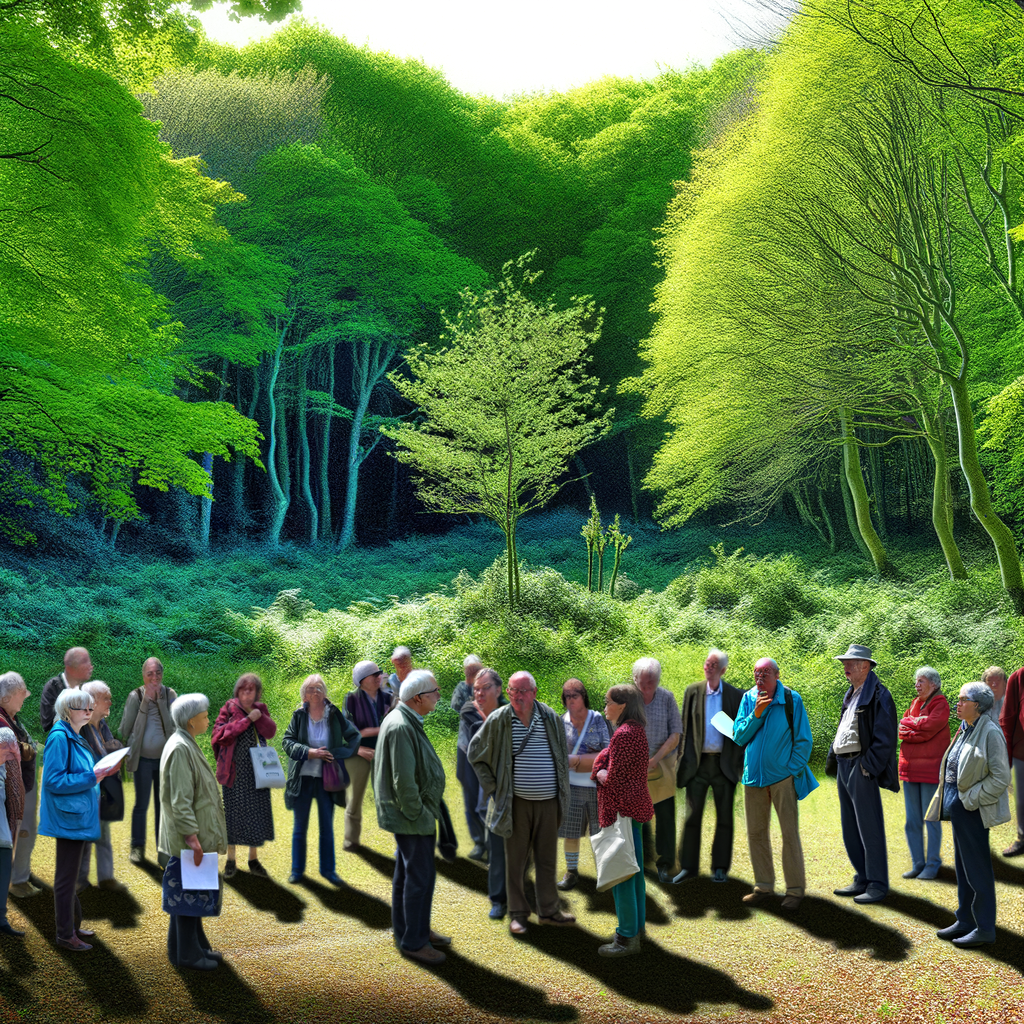
The Future of Egypt Woods: Balancing Nature and Community Use
Summary: A recent meeting regarding the future of Egypt Woods has raised concerns about the environmental degradation caused by heavy usage. As the community grapples with the balance between enjoying natural spaces and preserving them, this article explores the implications for Jersey and the broader context of environmental stewardship.
Understanding the Concerns
Egypt Woods, a cherished green space, has become a focal point for discussions about environmental sustainability in Jersey. The recent meeting highlighted the pressing issue of heavy usage leading to degradation of the area. Attendees expressed their worries about the impact of foot traffic, litter, and other human activities on the delicate ecosystem.
The Environmental Impact
As more residents and visitors flock to Egypt Woods, the strain on its natural resources becomes increasingly evident. Soil erosion, damage to native flora, and disturbances to local wildlife are just a few of the consequences of unchecked human activity. The meeting served as a wake-up call, urging the community to consider sustainable practices that can help preserve this vital green space.
Community Engagement: A Double-Edged Sword
While community engagement in natural spaces is essential for fostering a connection to the environment, it can also lead to unintended consequences. The challenge lies in finding a balance between allowing people to enjoy Egypt Woods and ensuring that the area remains a thriving habitat for wildlife.
One suggestion that emerged from the meeting was the implementation of designated paths to minimise damage to the surrounding vegetation. This approach could help direct foot traffic while preserving the integrity of the ecosystem. However, it raises questions about whether such measures would be enough to mitigate the impact of increased usage.
Potential Solutions
- Education and Awareness: Informing the public about the importance of preserving natural spaces can foster a sense of responsibility among visitors.
- Volunteer Initiatives: Encouraging community members to participate in clean-up days and conservation efforts can help maintain the woods while building a sense of ownership.
- Monitoring and Research: Ongoing studies to assess the health of the ecosystem can provide valuable data to inform future management strategies.
The Jersey Government’s Role
As discussions about Egypt Woods unfold, it is crucial to scrutinise the role of the Jersey government in managing public spaces. The allocation of funds for environmental conservation and the effectiveness of current policies are areas that warrant closer examination. Are taxpayers’ money being used efficiently to protect our natural heritage, or is there room for improvement?
Critics argue that the government has been slow to respond to environmental concerns, often prioritising short-term gains over long-term sustainability. This raises the question: how can we hold our leaders accountable for the stewardship of our natural resources?
Looking Beyond Jersey
The issues facing Egypt Woods are not unique to Jersey. Across the globe, communities are grappling with the challenge of balancing human activity with environmental preservation. From urban parks to rural woodlands, the need for sustainable practices is becoming increasingly urgent.
As we observe these trends, it is essential for Jersey residents to stay informed and engaged. By learning from the successes and failures of other communities, we can develop strategies that not only protect Egypt Woods but also enhance our quality of life.
NSFW Perspective
In conclusion, the future of Egypt Woods hinges on our collective ability to balance enjoyment of natural spaces with the responsibility of preserving them. As we navigate this delicate relationship, it is vital to engage in open dialogue, hold our government accountable, and take proactive steps towards sustainability. After all, a thriving environment is not just a luxury; it is a necessity for the well-being of our community and future generations.



