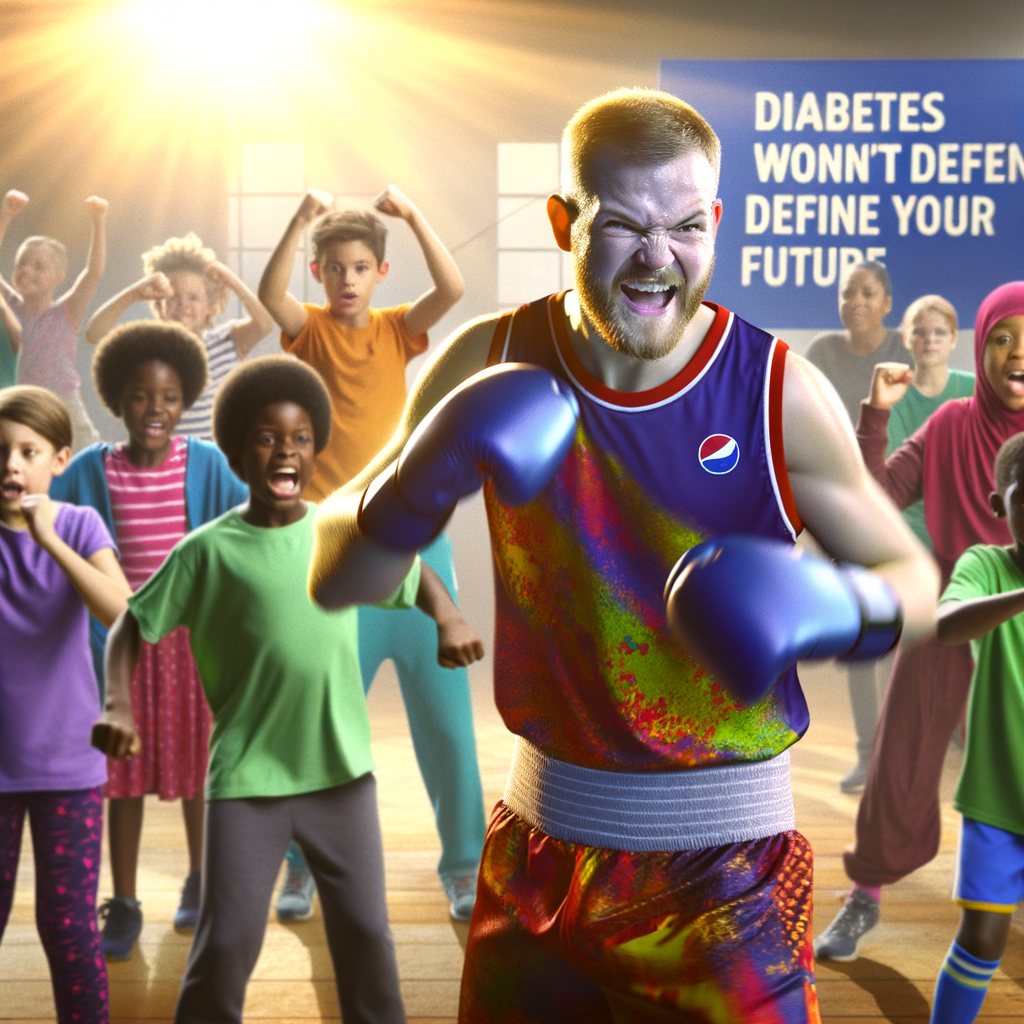
# Muhammad Ali: A Groundbreaking Moment for British Boxing
In a historic move for the sport, Muhammad Ali has become the first British boxer with type 1 diabetes to be granted a professional licence. This milestone not only highlights the evolving landscape of boxing but also raises important questions about health, inclusivity, and the future of the sport.
## Key Points
– Muhammad Ali’s professional licence marks a significant achievement for athletes with chronic health conditions.
– The decision reflects a growing recognition of the capabilities of athletes with disabilities.
– This development could inspire a new generation of boxers facing similar challenges.
– The implications for the sport and its governing bodies are profound, as they navigate the balance between health and competition.
## A New Era for Boxing
Muhammad Ali’s journey to this point is nothing short of inspiring. Diagnosed with type 1 diabetes at a young age, Ali faced numerous challenges that would deter many from pursuing a career in professional sports. However, his determination and resilience have not only paved the way for his own success but have also opened doors for others in similar situations.
The boxing community has often been seen as a bastion of toughness and grit, where physical prowess is paramount. Yet, Ali’s achievement challenges this notion, demonstrating that with the right support and understanding, athletes with chronic conditions can compete at the highest levels.
### The Health Perspective
Type 1 diabetes is a serious condition that requires constant management, including monitoring blood sugar levels and administering insulin. Critics may argue that allowing a boxer with such a condition into the ring poses risks, both to the athlete and their opponents. However, advancements in medical technology and a better understanding of the condition have made it possible for athletes like Ali to manage their health effectively while competing.
The British Boxing Board of Control’s decision to grant Ali a professional licence is a testament to the evolving attitudes towards health and sport. It reflects a growing recognition that athletes with disabilities can not only participate but excel in their chosen fields.
## The Impact on Jersey and Beyond
For readers in Jersey, this development is particularly relevant. The Channel Islands have a rich sporting culture, and the success of athletes like Ali can serve as a source of inspiration for local sportspeople. It also raises questions about the inclusivity of sports in the region. Are local governing bodies doing enough to support athletes with disabilities?
Moreover, the implications of Ali’s achievement extend beyond boxing. It encourages a broader conversation about health, fitness, and the importance of accommodating athletes with various needs. As Jersey continues to develop its sporting infrastructure, it may be time for local organisations to take a page from the British Boxing Board’s book and consider how they can better support all athletes.
### A Critical Look at Government Support
While the achievement of Muhammad Ali is commendable, it also prompts a critical examination of how the Jersey government supports athletes, particularly those with disabilities. Are public funds being allocated effectively to promote inclusivity in sports?
The government has a responsibility to ensure that all athletes, regardless of their health conditions, have access to the resources they need to succeed. This includes funding for training, medical support, and facilities that cater to diverse needs.
However, as we have seen in recent years, there are often questions surrounding the efficiency of public spending in Jersey. The government must be held accountable for its decisions, ensuring that funds are directed towards initiatives that genuinely support athletes and promote inclusivity.
## NSFW Perspective
In conclusion, Muhammad Ali’s achievement is a significant milestone not just for him, but for the entire sporting community. It challenges preconceived notions about health and athleticism, paving the way for a more inclusive future in boxing and beyond.
For the readers of NSFW, this story serves as a reminder that perseverance and determination can lead to groundbreaking achievements, even in the face of adversity. However, it also highlights the need for critical scrutiny of how public funds are used to support athletes in Jersey. As we celebrate Ali’s success, let us also advocate for a more inclusive and supportive sporting environment for all.
In the end, it’s not just about the punches thrown in the ring; it’s about the barriers broken outside of it. And if Muhammad Ali can step into the ring with type 1 diabetes, perhaps we can all step up to the plate and demand better for our local athletes.