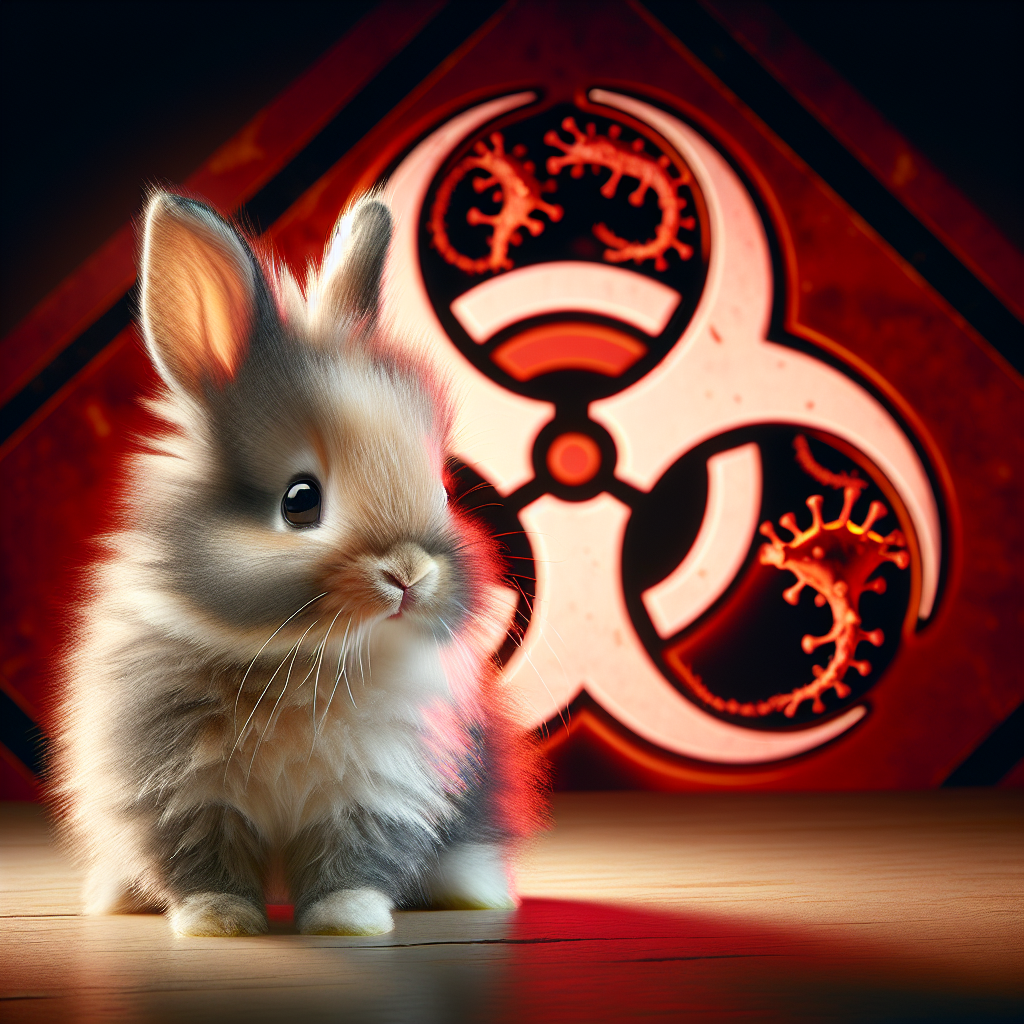
Jersey’s Bunny Worry: Myxomatosis Outbreak Threatens Floppy-Eared Friends
Summary: Jersey’s wild rabbit population is currently facing a myxomatosis scare, with concerns that the disease could jump to domesticated rabbits. Officials are on high alert, advising pet owners on preventative measures to protect their furry companions.
The Myxomatosis Menace: A Hare-Raising Concern
In a development that’s got both two-legged and four-legged residents twitching their noses in concern, Jersey’s wild rabbits are facing a viral adversary: myxomatosis. This disease, which can cause severe suffering and often death in affected rabbits, has been spotted in the island’s wild population, leading to fears that it could spread to domestic bunnies.
Myxomatosis is no stranger to the British Isles, having been first introduced in the 1950s as a means to control the rabbit population. It’s a cruel irony that a disease once used as a population management tool could now threaten the beloved pets of Jersey’s residents. The virus, which is transmitted by blood-feeding insects such as fleas and mosquitoes, causes swelling around the head and genitals, leading to blindness and often death within 14 days.
Protecting Peter Rabbit: Advice for Pet Owners
Officials are hopping to it, issuing guidance to pet rabbit owners on how to shield their pets from this outbreak. The key to prevention, they say, is vaccination. A vaccine is available and is the best line of defence against myxomatosis. In addition to vaccination, owners are advised to insect-proof their rabbit’s living area, keep them indoors during peak insect activity times, and avoid contact with wild rabbits.
While the risk to humans is non-existent—myxomatosis doesn’t affect people—the emotional toll on families attached to their pet rabbits can be significant. The bond between humans and their pets is strong, and the loss of a furry family member to such a disease can be heart-wrenching.
From Wild to Mild: The Domestic Risk
The leap from wild to domestic populations is a real concern. Unlike their wild cousins, domestic rabbits don’t have the same exposure to the elements and potential carriers of the disease. This lack of natural immunity makes them particularly vulnerable should they come into contact with a carrier.
Furthermore, the close quarters in which domestic rabbits live can facilitate the rapid spread of the disease if it does infiltrate the home. It’s a potential powder keg of viral transmission that rabbit owners are desperate to avoid.
Jersey’s Action Plan
The local government is not sitting idly by. They’ve initiated a public awareness campaign, providing information on symptoms, prevention, and the importance of vaccination. Veterinary services are on standby, ready to assist worried owners and vaccinate at-risk rabbits.
However, some critics argue that the response could be more proactive, suggesting that a more aggressive vaccination drive could be implemented, especially in areas where wild rabbit populations are dense. The effectiveness of such measures, though, would depend on the cooperation of pet owners and the availability of resources.