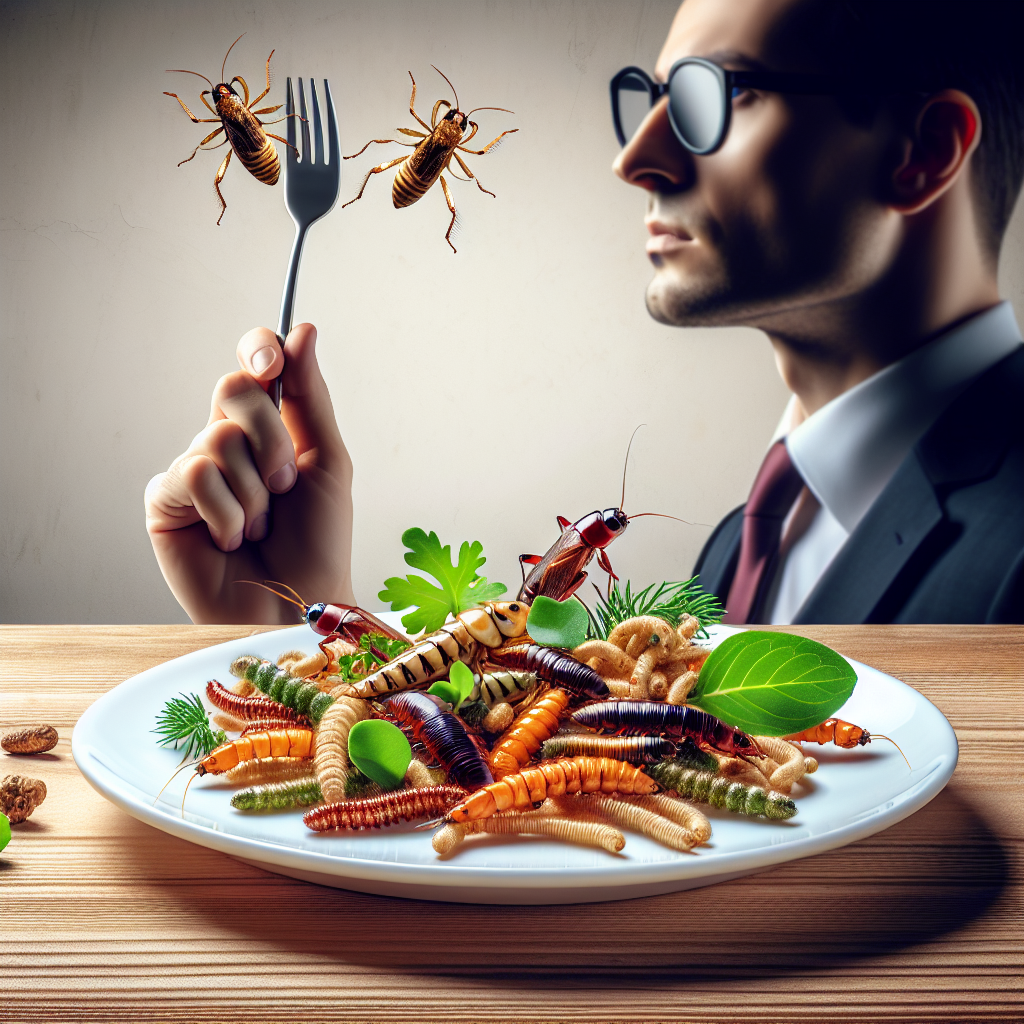
Bill Gates’ Bug Banquet: A Leap Towards Sustainable Dining or a Step Too Far?
Summary: The tech magnate turned philanthropist, Bill Gates, has recently stirred the pot with his advocacy for alternative proteins, including lab-grown meat and insects. While some hail this as a visionary move towards sustainability, others are skeptical, fearing the loss of traditional livestock farming and questioning the broader implications of such a dietary shift.
The Buzz Around Alternative Proteins
In the quest to feed a burgeoning global population and mitigate the environmental impact of traditional livestock farming, Bill Gates has championed the consumption of alternative proteins. His suggestions have ranged from plant-based options to the more eyebrow-raising idea of incorporating insects into our diets. The rationale is clear: with a smaller carbon footprint and a more efficient conversion rate of feed to protein, these alternatives could be game-changers in the fight against climate change.
Lab-Grown Meat: A Taste of the Future?
Lab-grown, or cultured meat, is meat produced by in vitro cultivation of animal cells. It’s a concept straight out of a sci-fi novel, but it’s becoming a reality. Proponents argue that it offers the taste and texture of meat without the ethical and environmental costs. However, the technology is still in its infancy, and questions about scalability, cost, and consumer acceptance remain.
Entomophagy: The Insect Solution
Entomophagy, the practice of eating insects, is not new. Many cultures around the world have been munching on these critters for centuries. Gates suggests that Western societies should overcome their squeamishness and embrace insects as a protein source. After all, they’re nutritious, sustainable, and, some say, delicious. But will Western palates be willing to swap steak for crickets?
Jersey’s Take on the Protein Pivot
Here in Jersey, the idea of replacing our beloved Jersey cows with a swarm of insects might seem, well, a bit hard to swallow. The island’s dairy industry is not just an economic asset but a cultural icon. The potential impact of a global shift towards alternative proteins on our local farming community cannot be understated.
Moreover, the Channel Islands’ culinary scene, known for its rich dairy and seafood, might find the introduction of insect-based dishes a tough sell to both locals and tourists. While innovation in sustainable food sources is commendable, the question remains: at what cost to tradition and taste?
International Implications and Local Concerns
While Gates’ proposals are global in scope, they resonate locally in terms of food security and environmental stewardship. Jersey, with its limited landmass, could benefit from more space-efficient food sources. However, the transition must be handled with care, ensuring that local farmers are not left behind and that any new food technologies are safe and regulated.
It’s also worth considering the broader implications of such a shift. If influential figures like Gates can sway public opinion and industry practices, what does this mean for consumer choice and the autonomy of local food systems? These are questions that Jersey, along with the rest of the world, will need to grapple with.
The NSFW Perspective
At NSFW, we appreciate the need for innovation in the face of global challenges. However, we also believe in the sanctity of personal choice and the preservation of local traditions. The idea of replacing our Sunday roast with a plate of lab-grown meatballs or a side of fried locusts might be a tough sell to our conservative readership.
While we acknowledge the potential environmental benefits of Gates’ suggestions, we also recognize the importance of consumer sovereignty and the value of our agricultural heritage. Any transition to alternative proteins must be voluntary, respectful of individual preferences, and sensitive to the economic realities of local farmers.
In the end, whether or not Jersey will join Bill Gates at his bug banquet remains to be seen. But one thing is for sure: the conversation around our dinner plates is getting more interesting by the day. And as always, we’ll be here to serve you the meaty issues… with or without the meat.



