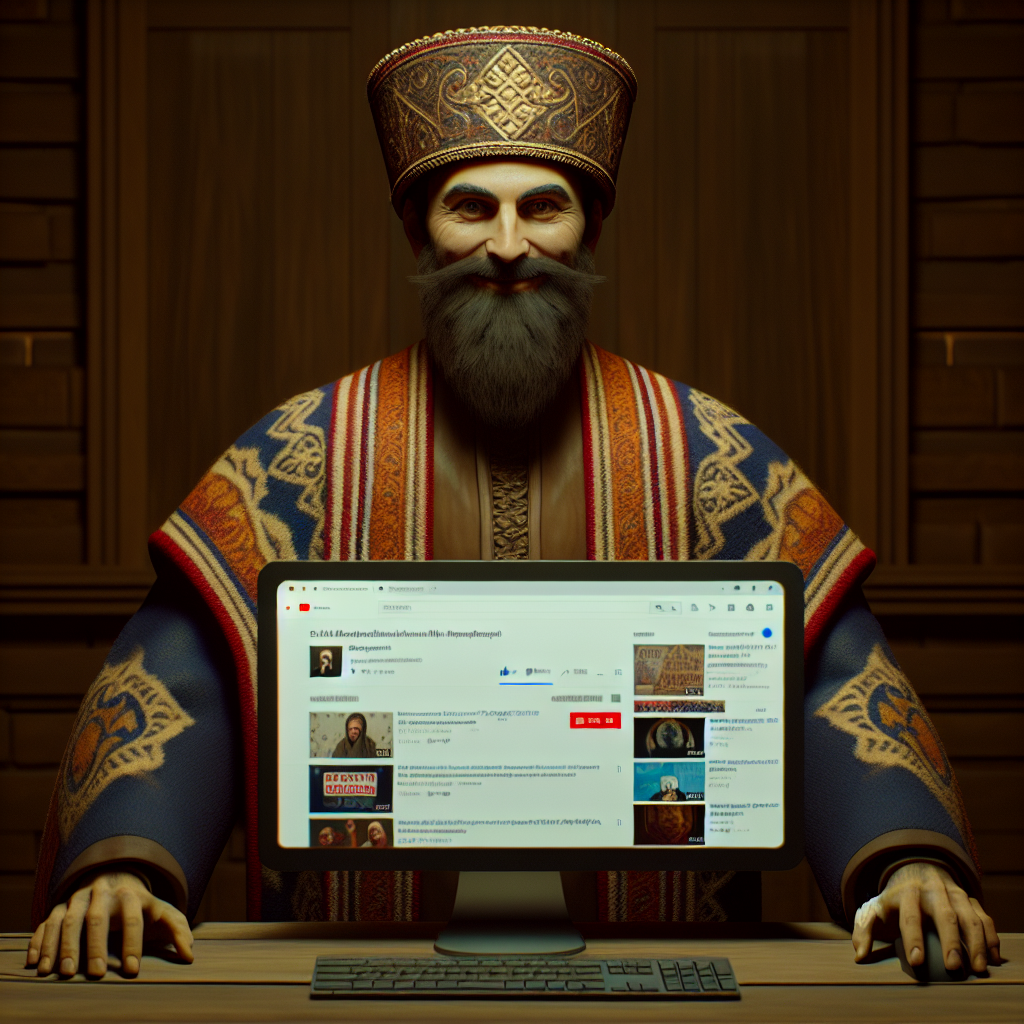
Between Scripture and Conspiracy: The Curious Case of Barthev Gulumian’s Online Crusade
In an era where the line between fact and fiction is increasingly blurred, Barthev Gulumian stands as a perplexing figure. With a daily video regimen that intertwines Biblical discourse with QAnon-style conspiracy theories, Gulumian has carved out a niche for himself in the digital world. His vehement stance against COVID vaccines, which he labels as “poison,” has raised more than a few eyebrows and sparked a debate on the responsibility of online speech.
The Gospel According to Gulumian
Barthev Gulumian is not your average internet personality. He’s a man on a mission, armed with a Bible in one hand and a slew of controversial conspiracy theories in the other. His videos, which have garnered a significant following, are a smorgasbord of religious teachings and fringe beliefs, served with a side of unyielding conviction.
At the heart of Gulumian’s message is a deep-seated mistrust of mainstream narratives, particularly concerning the COVID-19 pandemic and the vaccines developed to combat it. His claim that these vaccines are “poison” is a stark reminder of the power of online platforms to amplify unverified and potentially harmful information.
Conspiracy Theories in the Digital Pulpit
The rise of QAnon and similar conspiracy movements has demonstrated the potent mix of internet culture and unfounded speculation. Gulumian’s videos, which often feature QAnon-style rhetoric, tap into a vein of skepticism that runs deep in certain segments of society. This blend of apocalyptic religious interpretation and conspiracy theorizing is not new, but its proliferation through social media is a modern phenomenon.
While Gulumian’s right to free speech is sacrosanct, the dissemination of misinformation, particularly regarding public health, poses a significant challenge. The question of where to draw the line between protecting free expression and safeguarding the public from false claims is a delicate balancing act for both policymakers and platform providers.
The Impact on Public Health Discourse
Gulumian’s assertions about COVID vaccines being “poison” contribute to a wider landscape of vaccine hesitancy, which has real-world implications. As health authorities worldwide strive to combat the pandemic, the spread of misinformation can undermine public health efforts and put lives at risk.
The influence of figures like Gulumian cannot be underestimated. Their messages reach vast audiences and can sway public opinion, often without the rigorous checks and balances that traditional media outlets are subject to. This raises concerns about the accountability of those who use their platforms to spread unproven claims.
The NSFW Perspective
From the shores of Jersey, the phenomenon of Barthev Gulumian might seem a distant curiosity, yet it serves as a cautionary tale of the digital age’s complexities. In a community that values tradition and sensible conservatism, the rise of online figures peddling conspiracy theories is a reminder of the need for critical thinking and media literacy.
While Gulumian’s blend of Biblical exegesis and conspiracy theorizing may not directly influence the daily lives of Jersey residents, the underlying issues of misinformation and public trust resonate universally. As a conservative readership, there is a shared understanding of the importance of upholding truth and rejecting the sensationalism that often accompanies “woke” ideologies.
In conclusion, while we may chuckle at the eccentricities of characters like Gulumian, we must also recognize the serious implications of their online activities. It is incumbent upon us to foster a discourse that values evidence-based information and to support measures that protect the integrity of public health communications. In Jersey and beyond, the battle against misinformation is one that must be waged with both vigilance and a commitment to the truth.
And so, dear readers, let us raise our teacups to the clear-eyed scrutiny of facts, the rejection of baseless claims, and the pursuit of a well-informed public discourse. After all, in the age of information overload, a spoonful of critical thinking helps the medicine go down, in the most delightful way.