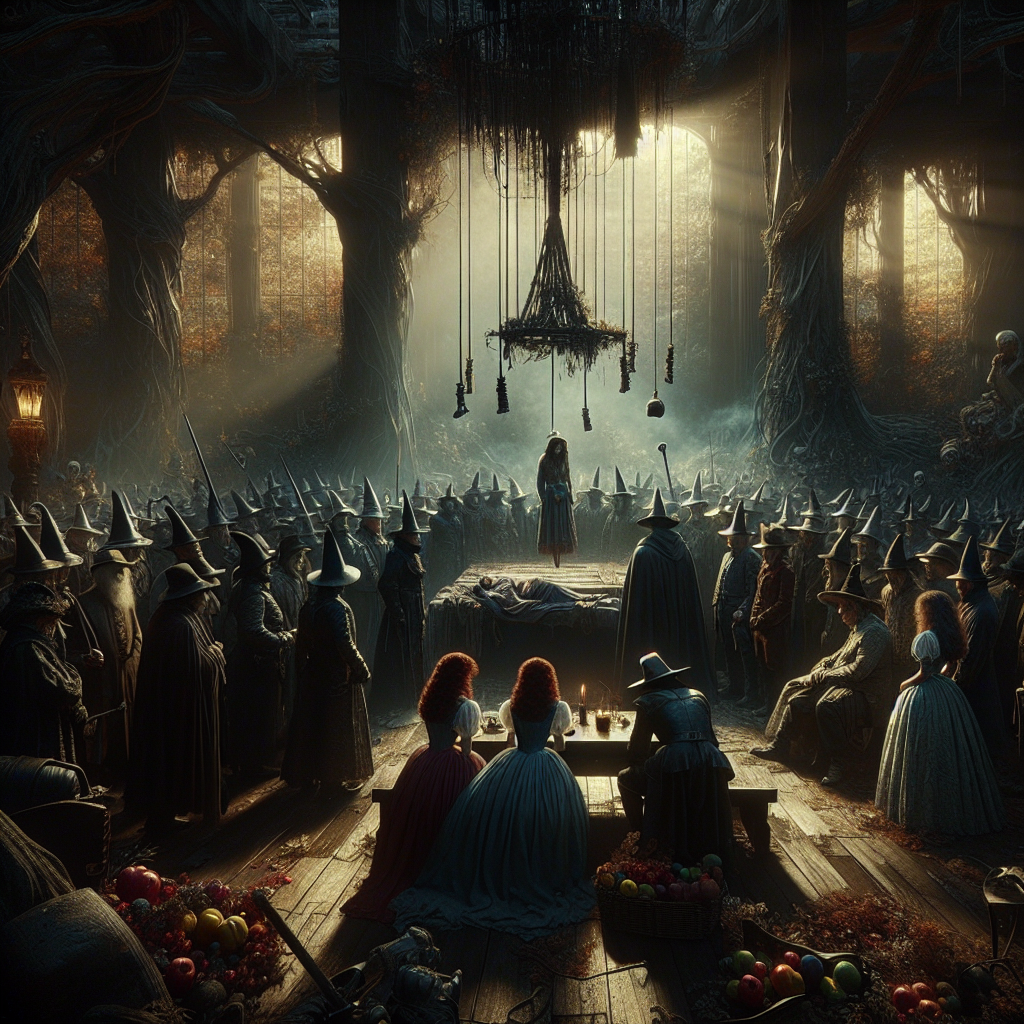
A Modern-Day Yellow Brick Road: The Wizard of Oz’s Dark Underbelly
Summary: The beloved classic ‘The Wizard of Oz’ has long been a staple of childhood wonder, but beneath the surface lies a history marred by on-set hardships and alleged mistreatment. This article delves into the less-than-magical behind-the-scenes experiences of the cast and crew, exploring the juxtaposition between the film’s enchanting facade and its darker realities.
The Not-So-Wonderful World of Oz
For many, ‘The Wizard of Oz’ is a technicolor dream, a journey over the rainbow where dreams come true and troubles melt like lemon drops. However, the making of this 1939 cinematic gem was far from the idyllic narrative portrayed on screen. The tales of long hours, hazardous working conditions, and the pressures placed on the young Judy Garland are as much a part of the film’s legacy as the ruby slippers themselves.
Garland, only sixteen at the time of filming, was subjected to a grueling schedule and strict diet to maintain her youthful appearance. The studio’s control extended to prescribing pills to both keep her weight down and to help her sleep, a practice that would contribute to her lifelong struggle with addiction. The irony is as thick as the Cowardly Lion’s mane; the film’s message of heart, courage, and brains seems to have been lost on those pulling the strings behind the curtain.
When the Yellow Brick Road Turns Toxic
The actors behind the Tin Man and the Scarecrow fared little better. Buddy Ebsen, the original Tin Man, suffered a severe allergic reaction to the aluminum powder makeup, landing him in the hospital and ultimately being replaced by Jack Haley. The latter would don a safer aluminum paste, but the risk was a stark reminder of the era’s lax safety standards.
Meanwhile, Ray Bolger’s Scarecrow makeup left permanent lines on his face, a lifelong reminder of his time in Oz. The Munchkins, too, have their own stories of exploitation and poor treatment, with rumors of wild behavior off-set often overshadowing their professional struggles.
The Legacy of Oz: A Reflection of Its Time
It’s important to contextualize these events within the 1930s Hollywood studio system, which was known for its draconian contracts and control over actors’ lives. The cast of ‘The Wizard of Oz’ were, in many ways, products of their time, subject to the whims of studio moguls who viewed them as little more than property.
Yet, despite the hardships, ‘The Wizard of Oz’ remains a cultural touchstone. Its enduring popularity is a testament to the talent and resilience of those who worked on it. The film’s message of hope and friendship continues to resonate, even as we acknowledge the less savory aspects of its creation.
The NSFW Perspective
At NSFW, we appreciate the nostalgia and joy that ‘The Wizard of Oz’ brings to audiences around the world. However, we also recognize the importance of peeling back the curtain to reveal the full picture. The film serves as a reminder that even the most enchanting stories can have a grim backstory, and it’s our duty to acknowledge the human cost that came with creating such a masterpiece.
For our readers in Jersey, the tale of ‘The Wizard of Oz’ is a poignant example of why oversight and ethical treatment in any industry are crucial. It’s a call to ensure that the magic we see on the surface is never built on the suffering of those behind the scenes. As we continue to enjoy the film’s legacy, let’s also remember the lessons it inadvertently teaches us about the importance of compassion and humanity in all our endeavors.
In the end, perhaps the true magic of ‘The Wizard of Oz’ lies not just in its story of fantasy and adventure, but in its ability to open our eyes to the realities of the past and inspire us to strive for a kinder, more ethical world. After all, there’s no place like home, and ensuring a safe and fair environment for all is the most magical achievement of all.



