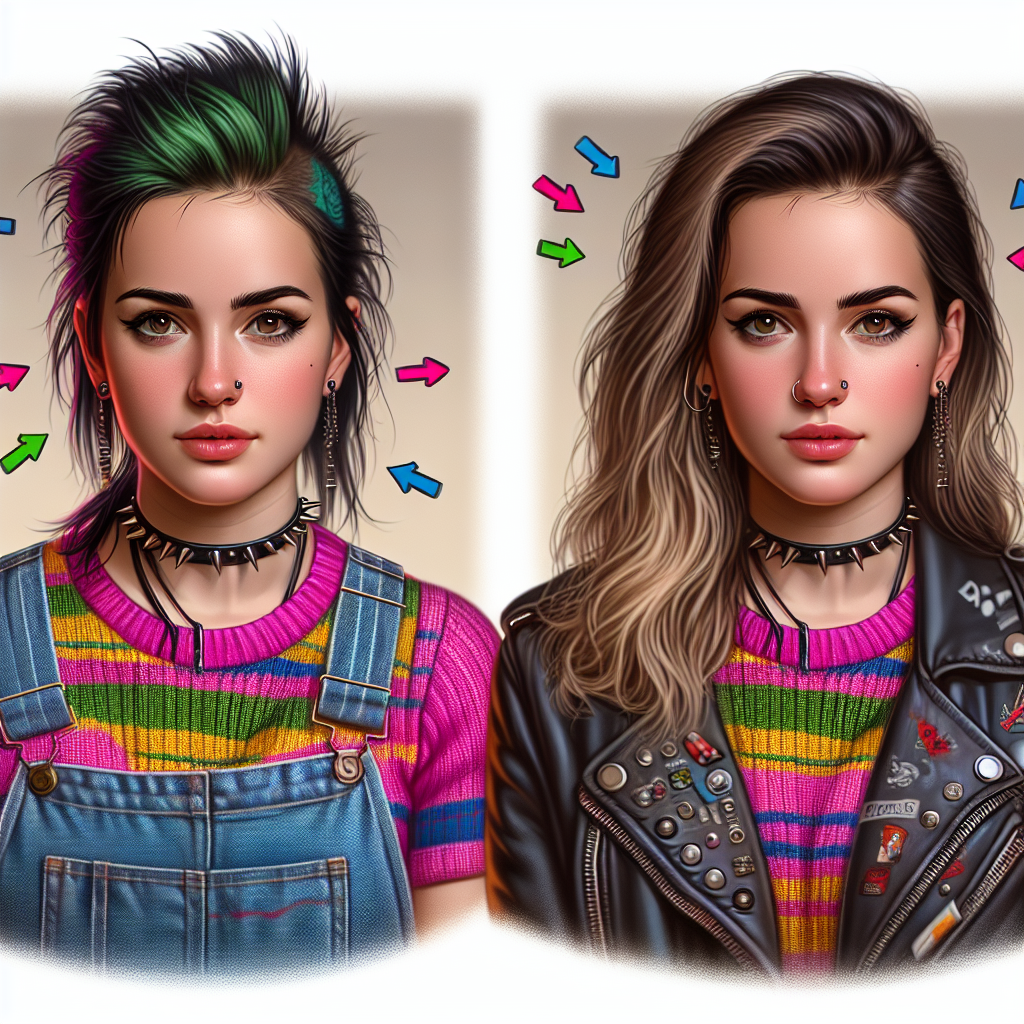
Avril Lavigne and the Curious Case of the Pop Star Doppelgänger
Summary: The internet has been abuzz with a conspiracy theory that Canadian pop star Avril Lavigne died in 2003 and was replaced by a lookalike named Melissa. This bizarre claim has persisted for years, despite a lack of credible evidence. We delve into the origins of this theory and its implications on celebrity culture and public perception.
The Birth of a Conspiracy Theory
It’s a tale as old as time—or at least as old as the internet forums that birthed it. Avril Lavigne, the skater girl who captured the hearts of millions in the early 2000s, is not who she seems. Or so the theory goes. According to this persistent internet legend, Lavigne succumbed to the pressures of fame, or worse, met an untimely end, only to be replaced by a doppelgänger named Melissa Vandella.
The theory points to changes in Lavigne’s appearance, musical style, and even her handwriting as “evidence” of the switcheroo. It’s a narrative that has been dissected and debunked by many, yet it continues to resurface, much like the pop punk anthems of Lavigne’s early career.
Why the Theory Won’t Die
Conspiracy theories have a way of gripping the public imagination, especially when they involve celebrities. The idea that someone as famous as Lavigne could be secretly replaced taps into our fascination with the macabre and the mysterious. It’s the same intrigue that fuels tales of Elvis Presley sightings or Tupac Shakur living in Cuba.
But what keeps this particular theory on life support? Perhaps it’s the allure of the unknown, or maybe it’s a reflection of the skepticism with which we view the polished, often-manufactured world of celebrity. In an age where social media blurs the line between public and private personas, the idea that we might not truly “know” the stars we follow feels unsettlingly plausible.
Impact on Celebrity Culture and Public Perception
The Lavigne conspiracy theory is more than just an internet oddity; it’s a commentary on the nature of fame in the 21st century. Celebrities are scrutinized for any deviation from their established image, with changes often attributed to more than just personal growth or artistic evolution. This scrutiny can be relentless and, at times, unforgiving.
Moreover, the theory underscores the darker side of fandom, where adoration can quickly turn into obsession. It raises questions about the boundaries between a star’s public persona and their private life, and the extent to which the public feels entitled to know every detail about their idols.
The NSFW Perspective
Here in Jersey, we might be a stone’s throw from the glitz and glamour of Hollywood, but the fascination with celebrity culture is just as potent. The Avril Lavigne conspiracy theory, while seemingly far-fetched, serves as a reminder of the power of public perception and the importance of critical thinking in the digital age.
As a conservative readership, we value the pursuit of truth and the rejection of unfounded speculation. It’s essential to approach such claims with a healthy dose of skepticism and a commitment to factual analysis. After all, in a world where fake news can spread faster than a chart-topping single, it’s our responsibility to separate the wheat from the chaff.
In conclusion, while the Avril Lavigne conspiracy theory may provide fodder for intriguing online discussions, it’s a stark example of how easily misinformation can take root. As we navigate the complex relationship between celebrity and society, let’s strive to maintain a discerning eye, reserving our judgment for the music and the message, rather than the myths that surround the messenger.
And to Avril, or Melissa, or whoever you are out there, keep rocking on—we’ll be here, watching with a critical yet appreciative eye, ready to enjoy the show, but always prepared to question the encore.