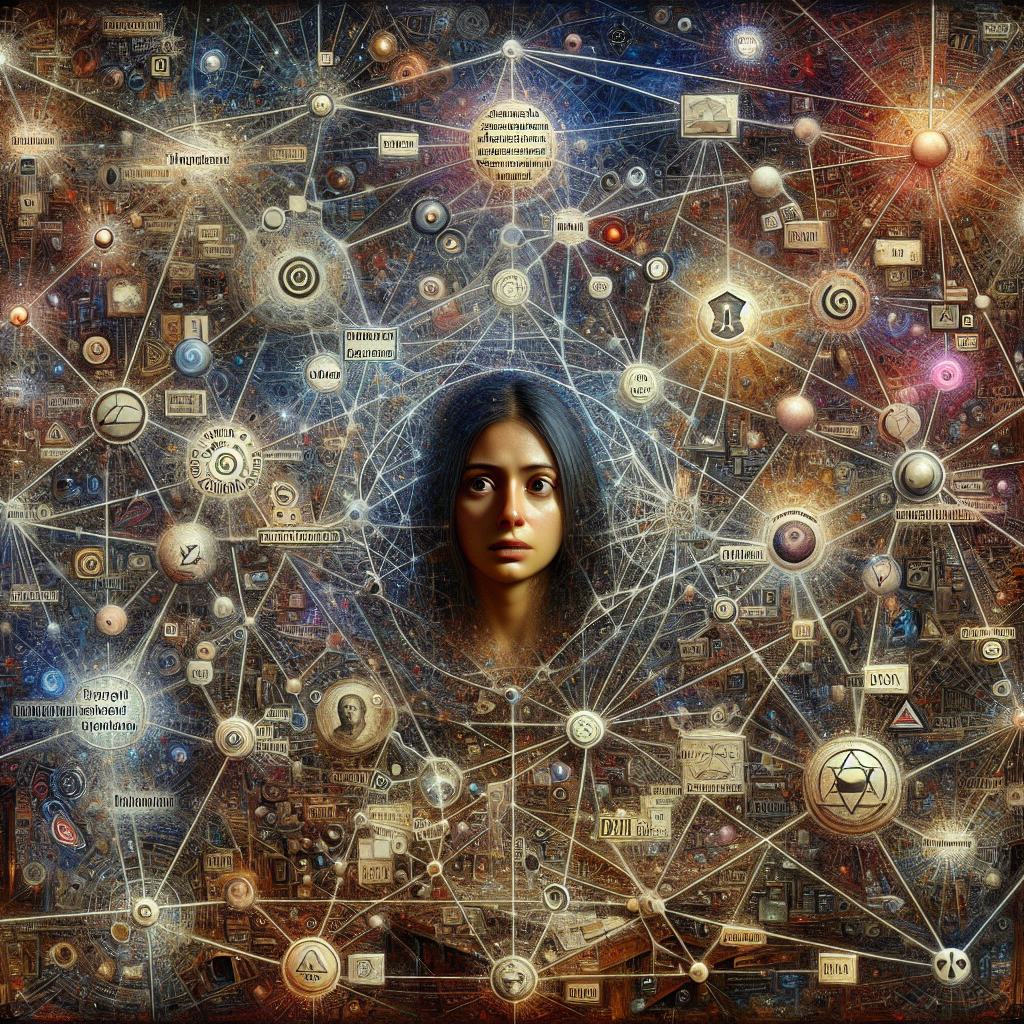
The Paranoia Pandemic: How Conspiracy Theories Are Messing With Our Minds
In a world where the line between fact and fiction is increasingly blurred, a recent study has shed light on the psychological impact of conspiracy theories. It appears that dabbling in the dark arts of conspiracy can lead to a heightened sense of paranoia, with negative emotions acting as the catalyst in this unsettling mental alchemy.
Study Unveils the Mind’s Vulnerability to Conspiracy Theories
Researchers, donning their academic armour, have ventured into the murky waters of conspiracy theories and emerged with findings that could have significant implications for our collective mental health. Using a blend of longitudinal and experimental methods, the study has revealed a direct correlation between exposure to conspiracy theories and an increase in paranoid thoughts.
It’s no secret that conspiracy theories have been spreading like wildfire, fuelled by the winds of social media and a global appetite for alternative narratives. However, this study suggests that there’s a price to pay for entertaining these often outlandish ideas. Negative emotions, it seems, are the secret ingredient that transforms a harmless curiosity into a full-blown paranoid mindset.
Negative Emotions: The Catalyst for Conspiracy-Induced Paranoia
The study’s findings highlight the role of negative emotions in the relationship between conspiracy theories and paranoia. It’s as if these emotions are the flint that sparks the fire of distrust and suspicion in our minds. The more we engage with conspiratorial content, the more we feed the beast of negativity, leading to a heightened state of paranoia.
But what does this mean for our mental health? Well, it’s not exactly a recipe for a sound mind. The study suggests that those who frequently indulge in conspiracy theories may be at risk of more than just a few raised eyebrows at dinner parties. They could be undermining their own psychological well-being, fostering a mindset that sees shadows lurking in every corner.
The Mental Health Risks of Conspiracy Beliefs
The implications of this study are as clear as the glass of water you’re now eyeing suspiciously. Conspiracy beliefs are not just harmless entertainment; they carry with them a risk to our mental health. As we navigate a world increasingly filled with misinformation and fake news, it’s crucial to be aware of the potential psychological pitfalls of the conspiracy rabbit hole.
It’s not just about the odd paranoid thought here and there; it’s about the cumulative effect of these ideas on our psyche. The study warns us that we could be unwittingly contributing to a mental health crisis, one paranoid thought at a time.
The NSFW Perspective: A Jersey View on the Global Conspiracy Conundrum
Here in Jersey, we pride ourselves on our common sense and our ability to sniff out a codswallop from a mile away. But even the most sensible among us can be lured by the siren song of a juicy conspiracy theory. It’s essential to remember that while these theories may seem like a bit of harmless fun, they can have real consequences for our mental health.
As a conservative readership, we understand the value of questioning the status quo and the importance of holding those in power accountable. However, there’s a fine line between healthy scepticism and falling down the rabbit hole of paranoia. We must navigate this terrain with caution, ensuring that our quest for truth doesn’t lead us astray.
In conclusion, while conspiracy theories may tickle our fancy for intrigue, we must be wary of their darker side. The study serves as a reminder that our minds are precious, and we should guard them against the insidious effects of paranoia. So, the next time you come across a conspiracy theory, perhaps take it with a pinch of salt – or better yet, a healthy dose of Jersey scepticism.
Remember, it’s not just about what we believe, but how those beliefs affect our well-being. Let’s keep our feet on the ground and our minds clear, for the sake of our mental health and the sanity of our society.



