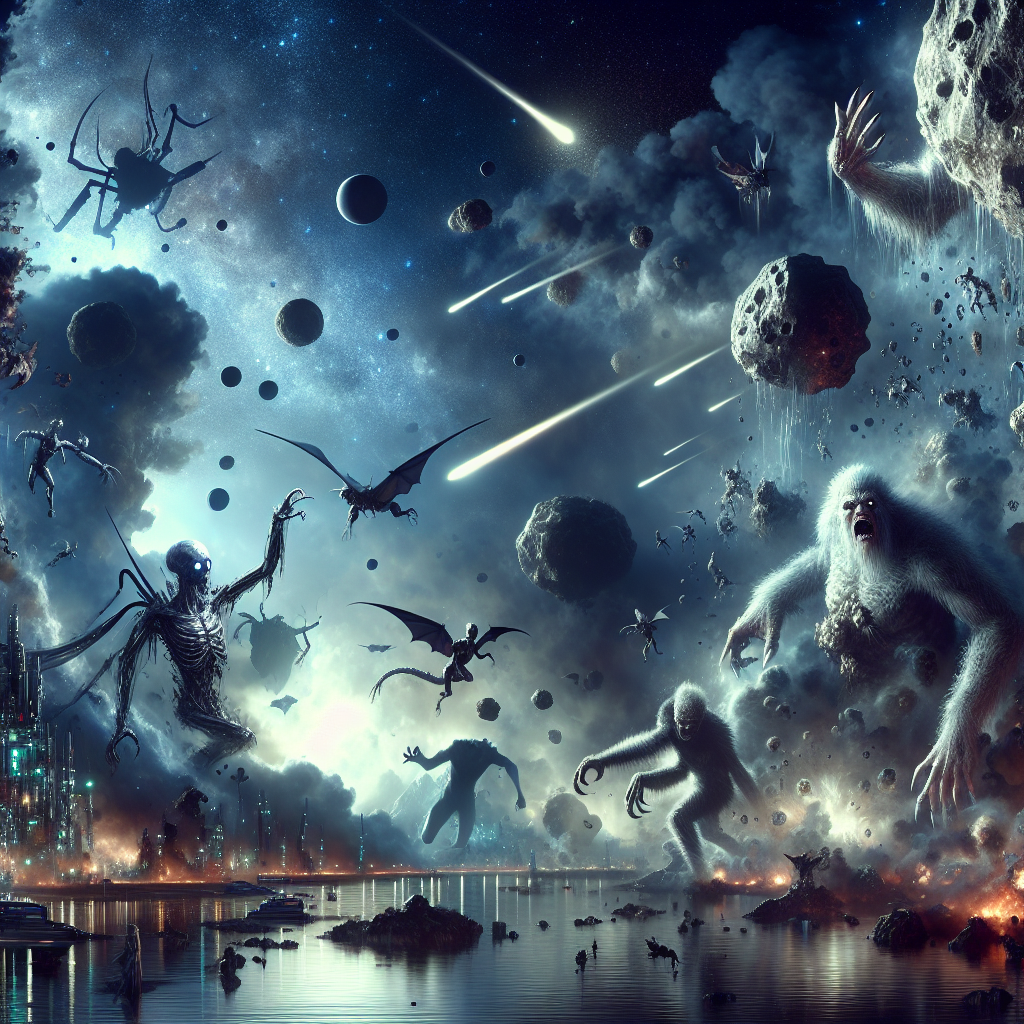
The TikTok Apocalypse: Unraveling the Web of Doomsday Conspiracies
In a world where social media reigns supreme, TikTok has become the latest oracle for modern-day Cassandras. The platform, known for its viral dances and lip-syncing videos, is now awash with a new trend: end-of-the-world conspiracy theories. From celestial threats to mythical creatures, TikTok users are churning out content that could make Nostradamus blush. But as entertaining as these apocalyptic predictions might be, they raise serious concerns about misinformation in an era where the app’s future in the U.S. is uncertain.
The Rise of TikTok’s Doomsday Prophets
It seems that every scroll through TikTok brings forth a new harbinger of doom. Users are not just dancing to the latest beats; they’re also choreographing the end times. The platform has become a breeding ground for the most outlandish of theories, ranging from imminent asteroid impacts to the resurgence of vampires and wendigos. These creators are not just whispering into the void; they’re shouting into a megaphone, with their messages reaching millions.
Conspiracy Theories: A Viral Sensation
Why do these apocalyptic scenarios gain such traction? The answer lies in the very nature of TikTok’s algorithm, which favors content that elicits strong emotional reactions. Fear, it turns out, is a particularly potent engagement booster. As users interact with these doomsday videos, the algorithm feeds them more, creating an echo chamber of paranoia and pseudoscience.
The Impact of Misinformation
The proliferation of these conspiracy theories is not without consequence. They contribute to a culture of fear and can undermine public trust in legitimate scientific and governmental institutions. In a time when critical thinking is more important than ever, the spread of such misinformation can have real-world implications, from panic buying to the rejection of expert advice.
TikTok’s Uncertain Future and the Spread of Misinformation
The timing of this trend is particularly noteworthy as TikTok’s fate in the United States hangs in the balance. With concerns over data privacy and national security, the platform’s potential ban could have implications for the spread of misinformation. If TikTok were to be restricted, would these conspiracy theories simply find a new home, or would their reach be significantly curtailed?
The NSFW Perspective
While the thought of a vampire-led apocalypse might tickle the imagination, the real horror story here is the unchecked spread of misinformation. In the Channel Islands, where the sea is more likely to bring in a tide of tourists than a wave of wendigos, it’s crucial to maintain a discerning eye. As Jersey residents, we must be vigilant in our consumption of social media, recognizing that while TikTok’s doomsday clock ticks, our responsibility to seek the truth does not wane.
For our conservative readership, the lesson is clear: the end of the world won’t be announced via a dance challenge. Instead, let’s focus on the tangible issues that impact our daily lives, from the efficiency of our local government to the stewardship of our public funds. And as for TikTok’s fate, let’s remember that while platforms may come and go, the need for critical thinking remains eternal.
In conclusion, while TikTok’s doomsday prophets may be entertaining, they serve as a reminder of the importance of media literacy. As we navigate the murky waters of social media, let’s ensure that our compass is set to facts, not fear. After all, in Jersey, we’re more accustomed to battling the occasional high tide than bracing for a mythical monster mash.



