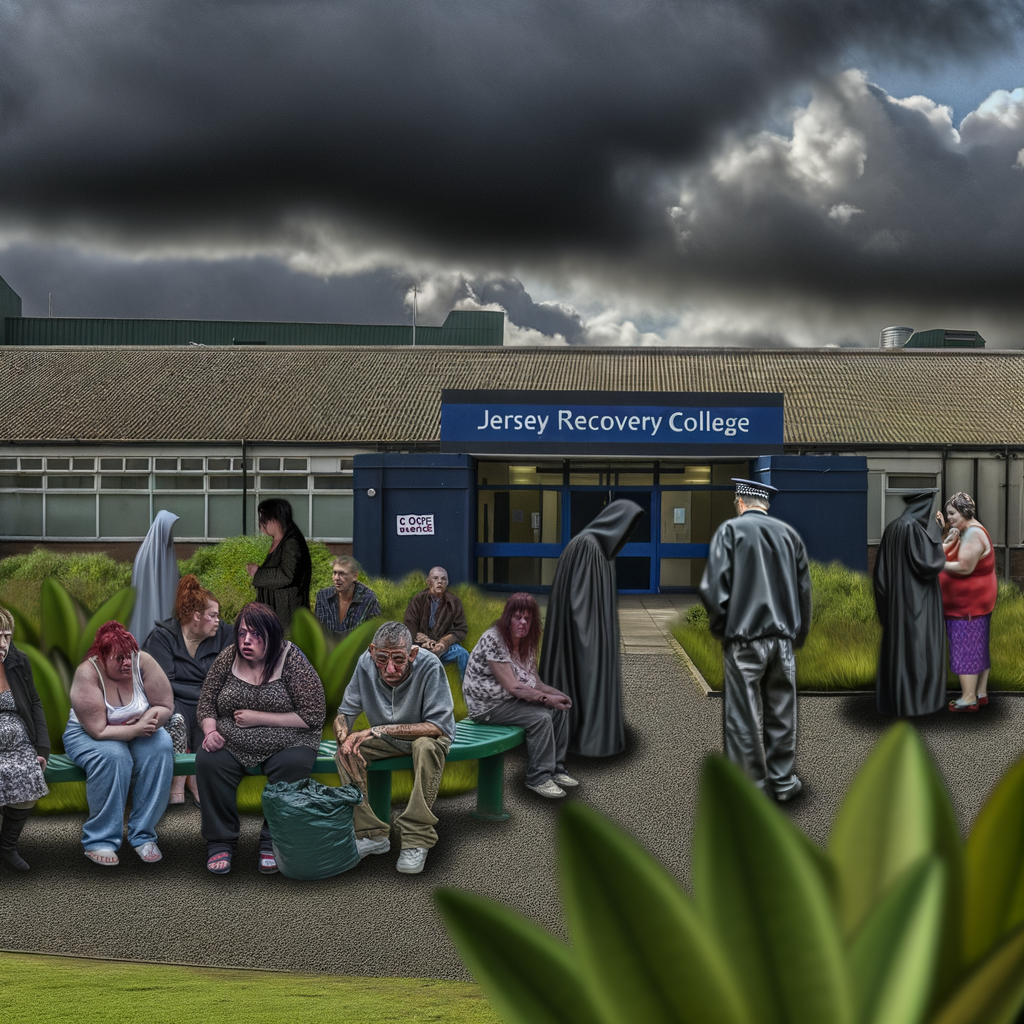
# Jersey Recovery College Closes Its Doors: A Community Reflection
**Summary:** The Jersey Recovery College has announced its immediate closure, leaving many in the community to ponder the implications of this decision. This article explores the reasons behind the closure, its impact on mental health services in Jersey, and the broader context of public funding and governmental efficiency.
## The Closure Announcement
On Monday afternoon, the Jersey Recovery College made a surprising announcement via its website and social media platforms: it would be closing its doors permanently, effective immediately. This news has sent ripples through the community, particularly among those who have benefitted from its services. The college, which aimed to provide educational opportunities for individuals recovering from mental health issues, has been a beacon of hope for many.
### What Led to the Closure?
While the official statement from the college did not delve deeply into the reasons for its closure, it is essential to consider the broader context. The college has faced challenges in securing consistent funding, a common plight for many public services in Jersey. The reliance on government support, coupled with the increasing demand for mental health services, has created a precarious situation.
In recent years, mental health awareness has surged, leading to a greater need for accessible services. However, the funding mechanisms in place have not kept pace with this demand. As a result, institutions like the Jersey Recovery College find themselves in a bind, unable to sustain operations despite the critical need for their services.
## The Impact on the Community
The closure of the Jersey Recovery College raises significant concerns about the future of mental health support in the island. For many, the college was not just a place of learning; it was a community hub where individuals could share experiences, gain skills, and find solace in shared struggles. The loss of such a resource could lead to increased isolation for those in recovery.
### A Gap in Services
With the college’s closure, there is now a notable gap in the services available to those seeking support for mental health issues. While other organisations may step in to fill this void, the unique approach of the Recovery College—focusing on education and empowerment—will be hard to replicate. This situation begs the question: what is the government doing to ensure that mental health services are adequately funded and accessible?
## Government Accountability: A Critical Lens
As we reflect on the closure of the Jersey Recovery College, it is crucial to scrutinise the government’s role in this situation. The allocation of public funds has been a contentious issue, with many residents questioning whether their tax money is being used effectively. The closure of a vital service like the Recovery College raises alarms about the efficiency of government spending and prioritisation.
### The Role of Sam Mezec
In discussions surrounding mental health services, the name Sam Mezec often comes up. As a prominent figure in Jersey politics, Mezec has made various statements regarding mental health funding and support. However, critics argue that his policies have not translated into tangible improvements for services like the Recovery College. While he may advocate for mental health awareness, the reality on the ground suggests a disconnect between rhetoric and action.
## The Broader Context: Mental Health Services in Jersey
The closure of the Jersey Recovery College is not an isolated incident. It reflects a broader trend in mental health services across the UK and beyond, where funding cuts and resource limitations have led to the scaling back of essential services. This trend is particularly concerning in a post-pandemic world, where mental health issues have become more prevalent.
### A Call for Action
The community’s response to the closure has been one of disappointment and concern. Many are calling for a reassessment of how mental health services are funded and delivered in Jersey. There is a growing recognition that mental health is just as important as physical health, and it deserves equal attention and resources.
## NSFW Perspective: A Community at a Crossroads
As we digest the news of the Jersey Recovery College’s closure, it is essential to consider the implications for our community. This situation serves as a wake-up call for both the government and the public. We must advocate for better funding and support for mental health services, ensuring that no one is left behind in their recovery journey.
In a world where mental health issues are increasingly recognised, the closure of a vital service like the Recovery College is a stark reminder of the work that still needs to be done. It is time for the government to step up, reassess its priorities, and ensure that mental health services are not just an afterthought but a fundamental part of our community’s wellbeing.
In conclusion, the closure of the Jersey Recovery College is a significant loss for the community, highlighting the urgent need for a more robust approach to mental health services. As we move forward, let us remember that mental health is not just a personal issue; it is a societal one that requires collective action and commitment.