Jersey’s Shores: A Transatlantic Journey of Unwanted Gifts
Summary: Jersey’s picturesque beaches are becoming the landing spots for an array of floating objects traversing the Atlantic. Recent finds include a plastic baseball helmet and a buoy from Canada, raising concerns about ocean currents and the state of marine pollution.
The Tide’s Curious Bounty
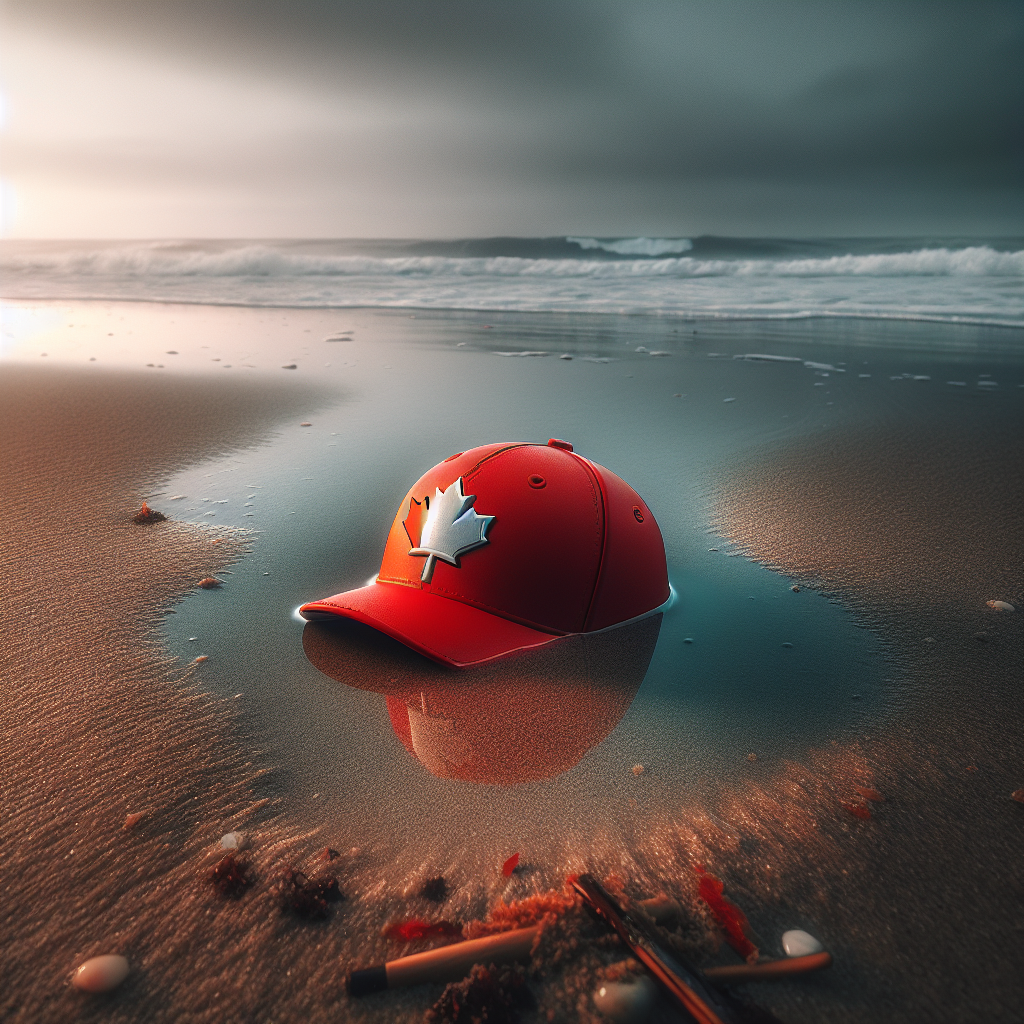
It seems the Atlantic Ocean has taken to a spot of spring cleaning, and Jersey’s shores are the unwilling recipients of this aquatic jumble sale. In a twist that could inspire a maritime version of ‘The Antiques Roadshow’, locals have stumbled upon items that have made quite the journey – a plastic baseball helmet and a buoy, both hailing from the distant shores of Canada.
From Canada to Jersey: A Plastic Odyssey
While it might sound like the setup for a charming children’s story, the reality is less whimsical. These objects are not isolated incidents but part of a growing trend of marine debris, riding the waves across the world’s second-largest ocean, only to end their voyage on the scenic coasts of our island.
The plastic baseball helmet, a quintessential piece of North American sports gear, has likely seen more of the world than many of us, albeit from the less-than-glamorous vantage point of the ocean’s surface. Meanwhile, the “balloon” buoy, a term that conjures images of whimsy and celebration, is a stark reminder of the everyday items that become seafaring drifters.
Current Affairs: Ocean Gyres and Global Pollution
The phenomenon of these Atlantic travellers is not merely a case of lost property; it’s a symptom of the larger issue of ocean currents and global pollution. The North Atlantic Gyre, a large system of circulating currents, acts as a conveyor belt for debris, often resulting in the accumulation of waste in areas far from its origin.
This gyre, while a natural marvel, has become an unwitting facilitator of environmental issues, highlighting the interconnectedness of our global ecosystems and the far-reaching impact of pollution.
Jersey’s Environmental Conundrum
For Jersey, a small island with a big reputation for natural beauty, the arrival of these items is more than an inconvenience; it’s a call to action. The local community, known for its pride in the island’s pristine beaches, faces the challenge of addressing the consequences of a problem that is both foreign and familiar.
International Debris, Local Impact
The implications of such international debris washing up on Jersey’s shores are manifold. There’s the environmental impact, of course, with concerns about marine life and the degradation of our beloved coastal aesthetics. But there’s also the question of responsibility – who cleans up after the ocean’s unwanted deliveries?
While the island’s authorities and volunteer groups do their part, the issue of marine pollution is a global one, requiring international cooperation and a commitment to reducing waste at the source.
Jersey’s Proactive Stance
Jersey has not been idle in the face of this challenge. Local initiatives aimed at beach clean-ups and environmental education are part of the island’s proactive stance. However, the question remains: how can a small island community influence the global conversation on marine pollution?
NSFW Perspective: A Drop in the Ocean?
In the grand scheme of things, a plastic helmet and a buoy might seem like mere drops in the ocean. Yet, they represent a much larger, more insidious issue that knows no borders – the issue of our oceans turning into a liquid landfill.
As a conservative publication, we understand the importance of individual responsibility and the role of efficient governance. It’s not just about picking up what washes ashore; it’s about advocating for policies that prevent waste from reaching the ocean in the first place. It’s about holding not just local, but international entities accountable for the health of our shared seas.
Jersey, while small, has a voice and a vested interest in the cleanliness of its waters. It’s time to use that voice to champion for change, to be the pebble that creates ripples across the waters, urging a global tide shift towards sustainability and respect for our marine environments.
So, as we ponder the origins of our Atlantic flotsam and jetsam, let’s not forget the bigger picture. These floating objects are not just curiosities; they are messengers, and their message is clear: the time for action is now.
And perhaps, in a twist of irony, these unwelcome gifts can become catalysts for change, turning the tide on pollution and ensuring that the only things crossing the ocean are waves and the occasional adventurous sailor.
For now, Jersey’s shores will continue to tell tales of the sea’s wanderings, but with a concerted effort, we can ensure those tales don’t become tragedies.



