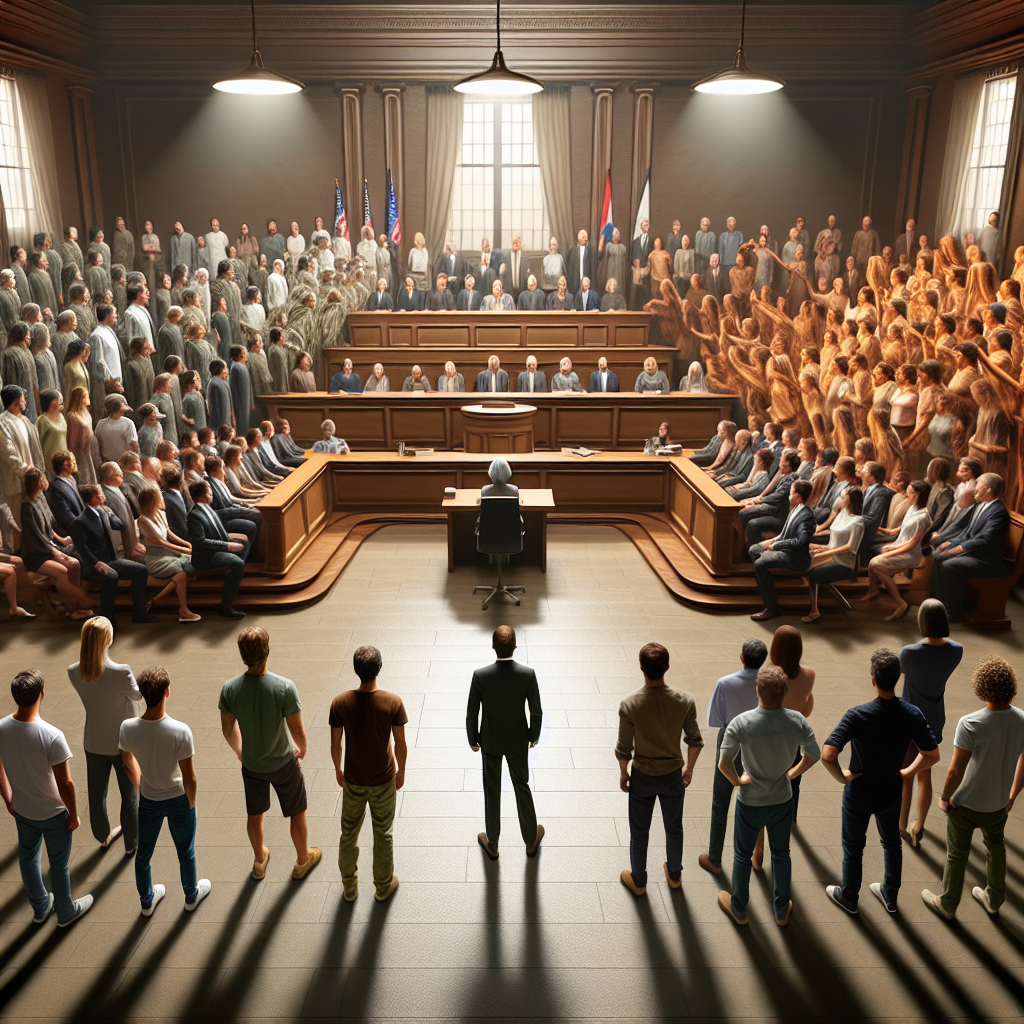
Manchester Arena Bombing Victims Confront Conspiracy Theorist in Court
In a courtroom drama that’s more gripping than a John le Carré novel, victims of the harrowing 2017 Manchester Arena bombing are facing off against a man whose controversial claims have added insult to their injury. The plaintiffs, who endured the terror of that fateful night, are suing a conspiracy theorist for harassment and breaches of privacy and data protection laws. The defendant has stirred the pot by peddling the notion that the attack, which claimed 22 lives and left hundreds injured, was nothing more than an elaborate hoax.
The Heart of the Matter: Harassment and Privacy Breaches
The case, which has captured the public’s attention, centres on the distress caused by the defendant’s unfounded assertions. The victims, seeking justice and a semblance of peace, argue that the conspiracy theorist’s actions have led to a relentless campaign of harassment. They contend that his claims are not only baseless but also deeply harmful, exacerbating their trauma and infringing upon their right to privacy.
Legal Implications and the Fight for Dignity
The legal implications of this case are significant. Should the court find in favour of the victims, it could set a precedent for how conspiracy theories are treated under the law, particularly when they lead to direct harm. The plaintiffs’ pursuit of justice is not just about their own dignity; it’s a stand against the spread of misinformation and the reckless disregard for the truth.
Conspiracy Theories: A Thorn in the Side of Truth
Conspiracy theories are nothing new, but in the age of social media, they spread like wildfire, often leaving a trail of confusion and discord in their wake. The Manchester Arena bombing case is a stark reminder of the real-world consequences that can arise from such unfounded claims. It’s a battle between the sanctity of facts and the chaos of fiction.
The NSFW Perspective: A Jersey Take on the International Drama
While the courtroom showdown unfolds miles away from Jersey, the implications resonate close to home. In an era where misinformation can travel from one corner of the globe to another in mere seconds, the importance of holding individuals accountable for the spread of harmful falsehoods cannot be overstated. Jersey, while nestled in its own idyllic corner of the world, is not immune to the global epidemic of fake news.
The case also serves as a reminder to our local readership of the importance of critical thinking and the need to question sources. It’s a call to arms for the community to stand in solidarity with those who seek to protect the integrity of truth, a value that transcends geographical boundaries.
In conclusion, the lawsuit against the conspiracy theorist is not just a legal battle; it’s a moral one. It’s about standing up for the victims of a tragedy who have been doubly victimised by the spread of harmful and baseless theories. As the case progresses, it will undoubtedly raise questions about the balance between free speech and the protection of individuals from harassment. The NSFW perspective remains clear: while we champion the right to free expression, we also uphold the right to privacy and the pursuit of truth. In the fight against misinformation, we stand with the victims, not with the peddlers of falsehoods.



