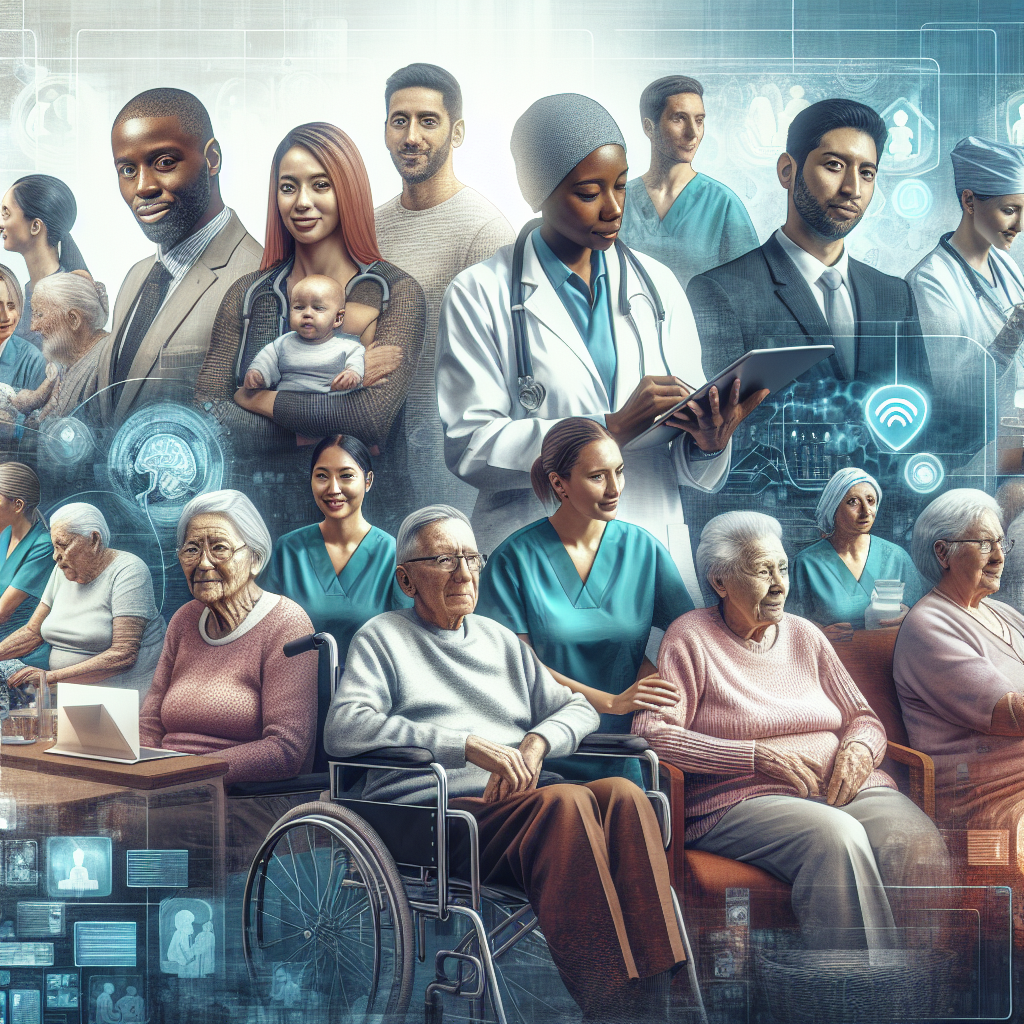
Jersey’s £2 Million CareTech Challenge: A Tech-Driven Boon for the Ageing Population
In a bid to embrace the silver economy, Impact Jersey has unveiled a £2 million grant programme designed to spur innovation in the care sector. This initiative seeks to attract both local and international businesses to create technological solutions that will enhance the quality of life for Jersey’s ageing residents. The CareTech Challenge is not just a financial investment but a statement of commitment to the island’s senior citizens and their caregivers.
Understanding the CareTech Challenge
The CareTech Challenge is a visionary project that aims to address the pressing needs of an ageing demographic through cutting-edge technology. With a substantial £2 million fund, the programme is set to incentivize companies to focus their creative energies on developing products and services that will ensure health, independence, and safety for the elderly. This is a golden opportunity for tech wizards to show that they can do more than just create addictive apps and games—they can also innovate for social good.
Why This Matters for Jersey
Jersey, like many developed regions, is witnessing a demographic shift towards an older population. This trend presents unique challenges in healthcare and social services, areas that are already under considerable strain. By fostering a culture of innovation in the care sector, Jersey is not only looking to improve the lives of its senior citizens but also to position itself as a hub for healthcare technology—a move that could have significant economic benefits.
The Potential Impact on Local and Global Businesses
The CareTech Challenge is an open invitation for entrepreneurs and established companies alike to think outside the box. It’s a chance for local businesses to shine on an international stage and for global entities to tap into Jersey’s burgeoning tech scene. The programme promises to be a win-win, offering financial support to innovators while potentially creating new jobs and services in the island’s economy.
What’s in It for the Care Recipients?
At the heart of the CareTech Challenge is the well-being of Jersey’s elderly. The programme is not just about technological advancement; it’s about real, tangible benefits for those who need it most. From remote health monitoring to assistive devices that aid mobility, the possibilities are endless. The ultimate goal is to empower the ageing population to lead safer, more independent lives, and in doing so, alleviate some of the pressures on carers and the healthcare system.
Scrutinising the Use of Public Funds
While the CareTech Challenge is a commendable initiative, it’s essential to keep a watchful eye on how these public funds are allocated and spent. Jersey’s taxpayers deserve transparency and efficiency in government investments, especially when it comes to innovative projects with lofty goals. It’s crucial that the programme is managed with the utmost integrity to ensure that the £2 million serves its intended purpose and delivers measurable outcomes.
The NSFW Perspective
The CareTech Challenge is a bold step towards addressing the needs of Jersey’s ageing population through innovation and technology. It’s a refreshing change from the all-too-common stories of government inefficiency and wasted resources. However, as with any public spending, vigilance is key. We must ensure that this £2 million doesn’t just disappear into the ether of good intentions but translates into real-world solutions that enhance the lives of our senior citizens and those who care for them.
As Jersey forges ahead with this tech-savvy approach to elder care, we’ll be keeping a close eye on the developments, ready to applaud the successes and call out any missteps. After all, in the world of government grants and tech challenges, the proof is always in the pudding—or in this case, the software and gadgets that will hopefully make a world of difference for our cherished older generation.
Stay tuned, dear readers, as we continue to monitor this intersection of technology, care, and fiscal responsibility. It’s not every day that you see a government initiative that could potentially lead to a grandmother learning to use a smart device faster than her grandchildren—now wouldn’t that be something for the family WhatsApp group?



