Jersey’s Stance on Glyphosate: A Controversial Decision Amidst Health Concerns
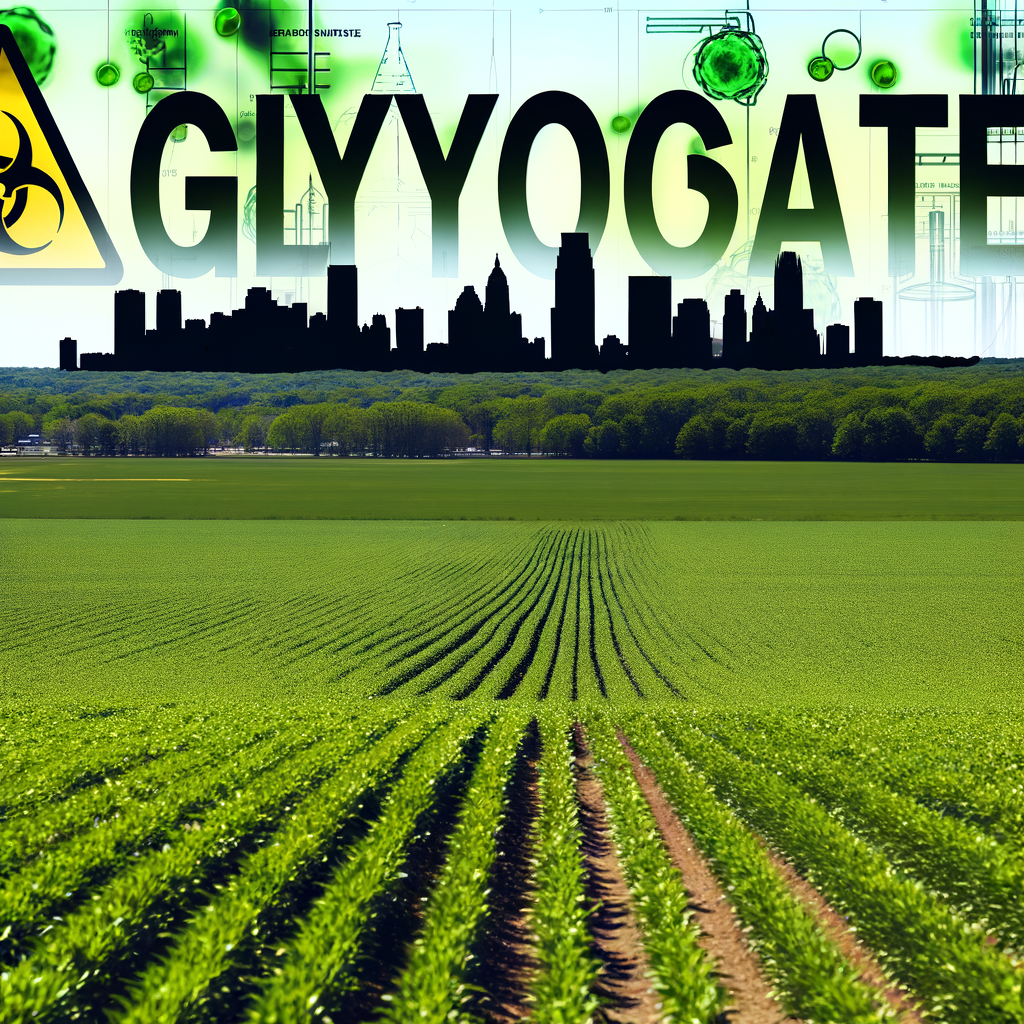
In a recent development, Jersey has decided to maintain its current stance on the use of glyphosate, a widely used herbicide, despite emerging research linking it to various forms of cancer. This decision comes after Deputy Hilary Jeune raised concerns with Environment Minister Steve Luce about the potential health risks associated with glyphosate. As the debate continues, we delve into the implications of this decision for Jersey’s residents and the broader context of agricultural practices.
The Glyphosate Debate: What’s the Fuss About?
Glyphosate, the active ingredient in many herbicides, has been a staple in agricultural practices for decades. It is lauded for its effectiveness in controlling weeds, but it has also faced significant scrutiny. Recent studies have suggested that glyphosate may be linked to several types of cancer, even at levels previously deemed safe. This has raised alarms among health advocates and environmentalists alike.
In Jersey, the decision to adhere to UK and EU guidelines on glyphosate usage means that the island will not be taking any immediate action to restrict or review its use. This has left many residents questioning the government’s commitment to public health and safety.
Government Response: A Matter of Policy or Public Health?
Deputy Hilary Jeune’s inquiry into the use of glyphosate highlights a growing concern among the public regarding the government’s approach to environmental health. Minister Steve Luce’s response, which indicated a reluctance to review glyphosate’s use, raises several questions:
- Are we prioritising agricultural efficiency over public health?
- Is the government adequately considering the latest scientific research?
- What are the long-term implications for Jersey’s residents?
While the government may argue that adhering to established guidelines ensures consistency and stability in agricultural practices, the potential health risks associated with glyphosate cannot be ignored. The question remains: at what cost are we maintaining these practices?
International Context: Lessons from Abroad
Jersey’s decision to follow UK and EU guidelines is not unique. Many countries have grappled with the implications of glyphosate use. In some regions, glyphosate has been banned or heavily restricted due to health concerns. For instance, countries like Austria and Germany have taken significant steps to limit its use, citing public health as a primary concern.
These international examples serve as a reminder that the conversation around glyphosate is not merely a local issue; it is part of a larger global dialogue about agricultural practices, public health, and environmental sustainability. Jersey’s government must consider these perspectives as it navigates its policies.
The Local Impact: What Does This Mean for Jersey Residents?
For the residents of Jersey, the continued use of glyphosate may have several implications:
- Health Risks: With emerging research suggesting potential links to cancer, residents may feel uneasy about the safety of their environment.
- Environmental Concerns: The use of glyphosate can have detrimental effects on local ecosystems, impacting biodiversity and soil health.
- Public Trust: The government’s decision may erode public trust, particularly if residents feel their health is being compromised for the sake of agricultural convenience.
As the debate continues, it is crucial for the government to engage with the community, providing transparent information and considering public opinion in its decision-making processes.
NSFW Perspective: A Call for Caution and Transparency
In conclusion, Jersey’s decision to maintain its current stance on glyphosate usage raises important questions about public health, environmental sustainability, and government accountability. While the adherence to UK and EU guidelines may provide a sense of stability, it is essential for the government to remain vigilant and responsive to emerging research and public concerns.
As we navigate the complexities of agricultural practices and public health, a cautious approach is warranted. The residents of Jersey deserve transparency and assurance that their health and environment are being prioritised. After all, when it comes to the safety of our communities, it is better to be safe than sorry.