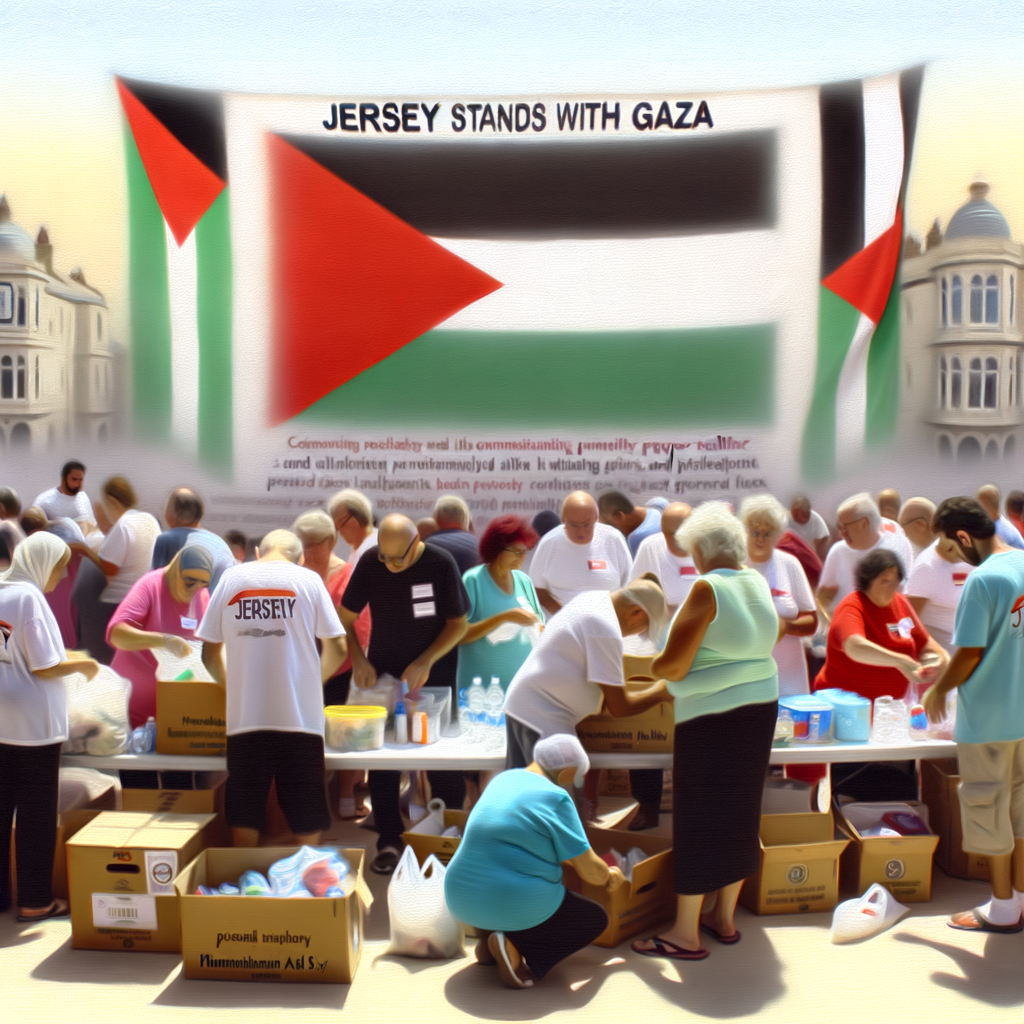
Jersey’s Humanitarian Aid: A Million-Pound Commitment to Gaza
In a move that has sparked both support and criticism, the Jersey Overseas Aid Commission has approved new humanitarian funding allocations aimed at assisting civilians in the Occupied Palestinian Territories. With a total funding commitment of £1 million for 2025, this decision raises questions about the effectiveness and implications of such aid. In this article, we will delve into the details of the funding, its potential impact, and the broader context surrounding Jersey’s involvement in international humanitarian efforts.
Understanding the Funding Allocation
The Jersey Overseas Aid Commission, the Island’s official, publicly-funded aid and development agency, has earmarked significant resources to support humanitarian efforts in Gaza. The latest allocations are directed towards reputable organisations such as the UN World Food Programme (WFP) and the UN Office for the Coordination of Humanitarian Affairs (OCHA). This funding is intended to provide essential support to civilians affected by ongoing conflicts, particularly in light of the recent escalations in violence.
What Does This Mean for Jersey?
For many residents of Jersey, the decision to allocate £1 million to humanitarian aid may evoke a sense of pride. After all, it positions the Island as a compassionate player on the global stage, willing to assist those in dire need. However, it also raises pertinent questions about the effectiveness of such aid and the potential for unintended consequences.
- Effectiveness of Aid: Critics argue that financial aid to conflict zones can sometimes exacerbate existing issues rather than alleviate them. There is a concern that funds may not reach the intended recipients or may be mismanaged.
- Local Impact: While the intention is noble, some residents may wonder if this funding could be better spent addressing pressing issues within Jersey itself, such as housing shortages or local welfare needs.
- Political Ramifications: The decision to support Gaza may also have political implications, potentially polarising opinions among the electorate and raising questions about Jersey’s foreign policy stance.
The Broader Context of Humanitarian Aid
Humanitarian aid is a complex and often contentious issue. While the intention behind such funding is to provide relief to those suffering from conflict, the reality is that the effectiveness of aid can vary significantly. In the case of Gaza, the ongoing conflict has created a challenging environment for aid delivery, with numerous barriers to access and distribution.
Moreover, the political landscape in the region complicates matters further. Aid can sometimes be perceived as a means of legitimising certain factions or governments, leading to accusations of bias. For Jersey, navigating these waters requires a careful balance between compassion and pragmatism.
Jersey’s Role in International Aid
As a small island with a unique position in the world, Jersey’s contributions to international aid are noteworthy. The £1 million commitment to Gaza is part of a broader trend of increasing engagement in global humanitarian efforts. However, it is essential for the Jersey government to ensure that such initiatives are transparent and accountable.
- Transparency: The public deserves to know how their tax money is being spent and what impact it is having on the ground.
- Accountability: Ensuring that funds are used effectively and reach those in need is paramount to maintaining public trust.
NSFW Perspective: A Call for Balanced Priorities
While the humanitarian aid to Gaza is undoubtedly a noble endeavour, it is crucial for Jersey to maintain a balanced approach to its funding priorities. The Island faces its own set of challenges, including housing shortages and economic pressures. As we extend our hand to help those in need abroad, we must also ensure that we are not neglecting the needs of our own community.
In conclusion, Jersey’s commitment to humanitarian aid is commendable, but it should be accompanied by a robust framework for accountability and effectiveness. As we navigate the complexities of international aid, let us not forget the importance of addressing local issues that directly impact our residents. After all, charity begins at home, and a well-rounded approach to aid can ensure that both our local and global communities thrive.



