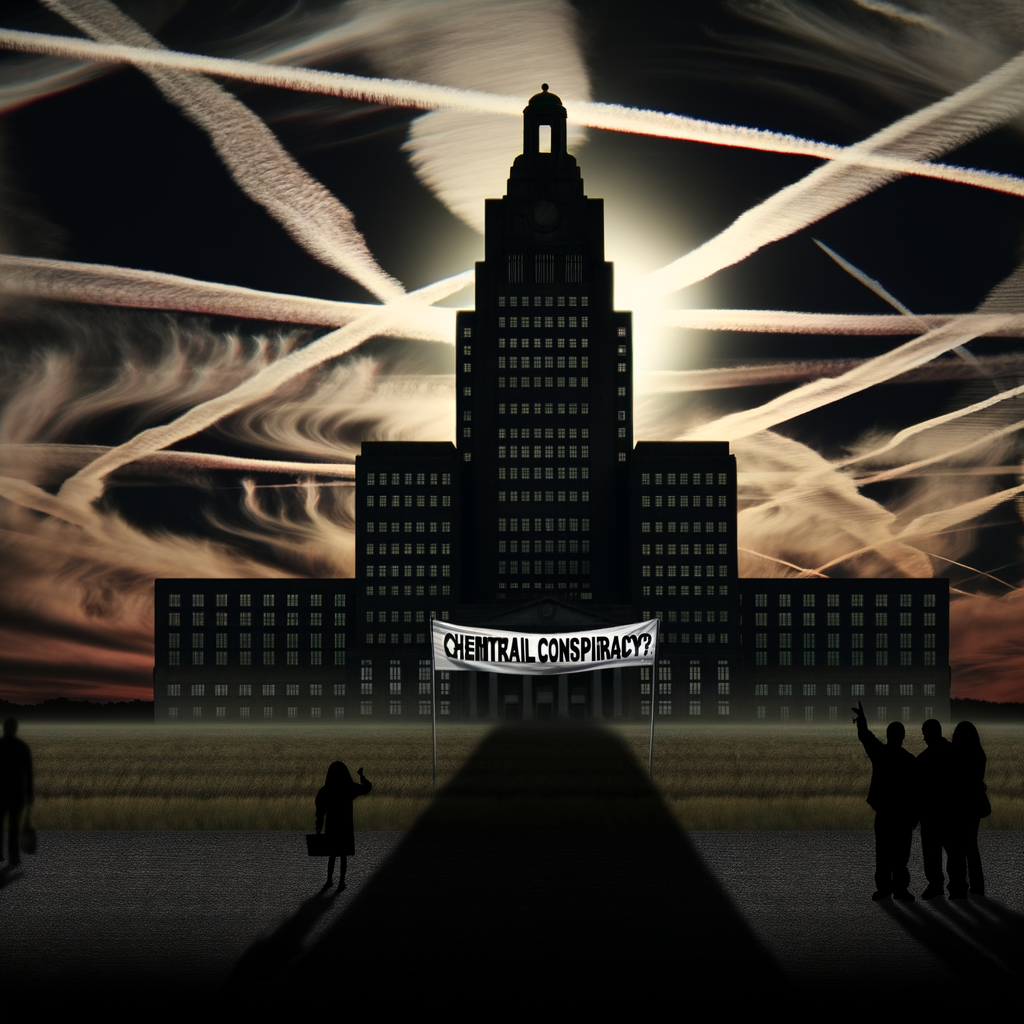
Are Airplane Vapors Toxic? A Closer Look at the Claims
In recent weeks, a wave of conspiracy theories has emerged, suggesting that airplane vapors are not only toxic but also part of a larger scheme to manipulate the climate. Surprisingly, these claims have garnered attention from some quarters, including the Department of Health and Human Services. In this article, we will dissect these assertions, explore their implications, and consider how they resonate with our local Jersey audience.
The Origins of the Claims
The notion that airplane vapors, often referred to as contrails, are harmful to human health has circulated widely on social media platforms. Proponents of this theory argue that the emissions from aircraft contribute to a range of health issues, from respiratory problems to more severe conditions. But where did this idea originate?
- Social Media Influence: The rise of social media has allowed fringe theories to gain traction, often without scientific backing.
- Public Distrust: A growing distrust in governmental and scientific institutions has led some to seek alternative explanations for environmental and health issues.
What Are Contrails, Anyway?
Contrails, short for condensation trails, are formed when water vapour from aircraft engines condenses and freezes at high altitudes. They can linger in the atmosphere, contributing to cloud formation and potentially influencing climate patterns. However, the scientific consensus is clear: contrails are not inherently toxic to humans.
The Science Behind Contrails
According to experts, the primary components of contrails are water vapour and carbon dioxide, both of which are naturally occurring substances. While it is true that aircraft emissions contribute to greenhouse gases, the idea that these vapours are directly harmful to human health is largely unfounded.
- Health Risks: Studies have shown that the health risks associated with contrails are negligible compared to other environmental factors.
- Climate Change: The role of aviation in climate change is a complex issue, but it is not as straightforward as the conspiracy theories suggest.
Government Response and Public Perception
The recent attention from the Department of Health and Human Services raises questions about the credibility of these claims. While it is essential for government agencies to investigate potential health risks, the focus should remain on evidence-based science rather than sensationalist theories.
In Jersey, where the economy relies heavily on tourism and aviation, the implications of these claims could be significant. If public perception shifts towards viewing air travel as dangerous, it could impact local businesses and the economy.
Local Impact and Economic Considerations
Jersey’s economy is intricately linked to the aviation industry. A decline in air travel due to unfounded fears could lead to job losses and reduced income for many families. It is crucial for local leaders to address these concerns with factual information and promote a balanced view of air travel’s role in our lives.
- Tourism: A decline in tourism could have a ripple effect on local businesses, from hotels to restaurants.
- Public Health: Ensuring that the public is informed about the actual risks associated with air travel is vital for maintaining trust in health authorities.
NSFW Perspective
As we navigate the murky waters of misinformation, it is essential to remain grounded in scientific fact. The claims surrounding airplane vapors may be sensational, but they lack the empirical support needed to warrant concern. For our readers in Jersey, it is crucial to approach such topics with a critical eye and to rely on credible sources for information.
In a world where misinformation can spread like wildfire, let us champion the cause of reason and evidence. After all, the only thing we should be concerned about when flying is whether we’ll get the window seat or the middle one. So, buckle up, enjoy the flight, and leave the conspiracy theories at the gate.



