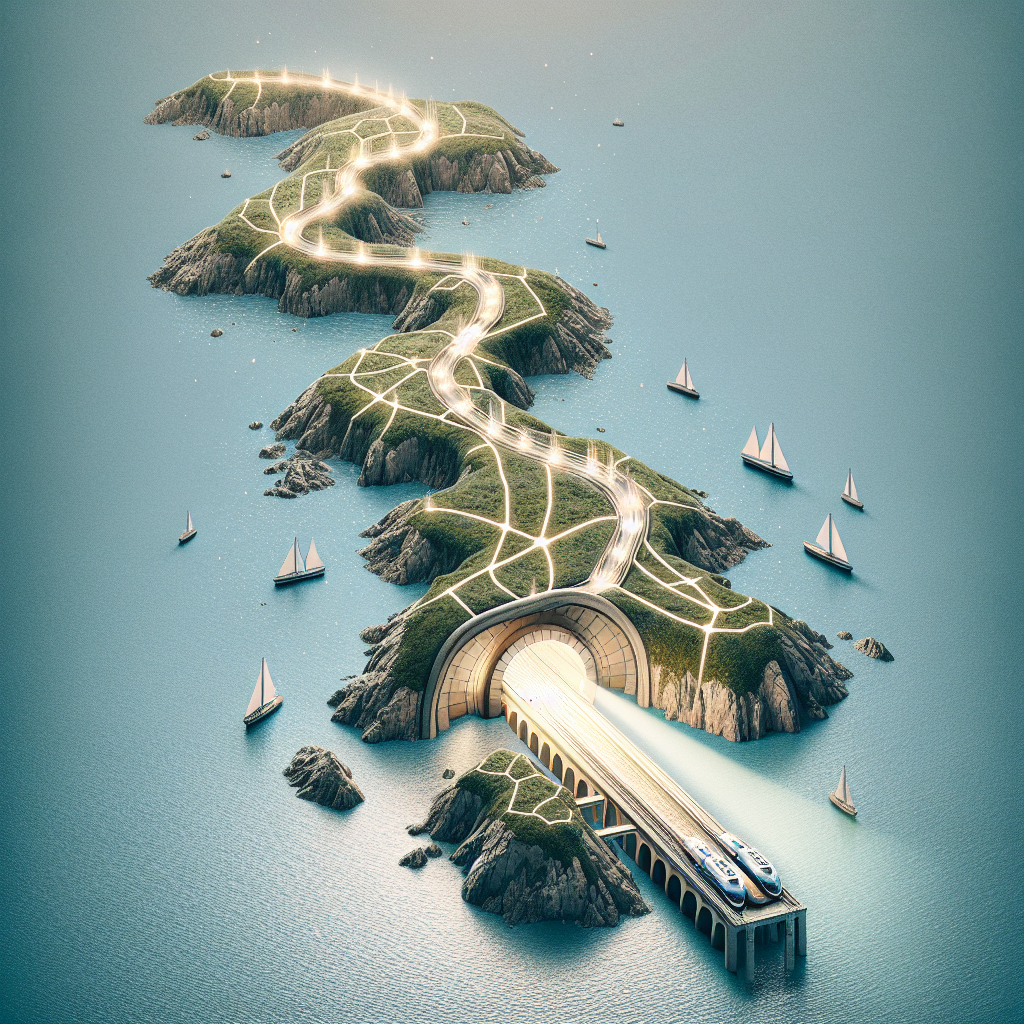
Channel Islands to France: The Undersea Tunnel Debate Resurfaces
Summary: The Channel Islands community is once again abuzz with discussions about the ambitious proposal to construct undersea tunnels connecting the islands to each other and to France. This concept, which has surfaced periodically over the years, promises economic growth and improved connectivity but also raises concerns about environmental impact and financial feasibility.
The Vision of Connectivity
The idea of burrowing beneath the sea to link the Channel Islands with the European mainland is not new, but it has recently regained traction among islanders and policymakers. Proponents argue that such infrastructure could revolutionise travel and trade for Jersey and its neighbours, reducing reliance on air and sea transport, which are often disrupted by inclement weather.
Prospects of Prosperity
Advocates of the tunnel project tout the potential for economic prosperity, envisioning a future where goods and people move with unprecedented ease. The promise of increased tourism and business opportunities is dangled before the eyes of the local populace, with the allure of becoming a bustling hub in the English Channel.
Financial and Environmental Hurdles
However, the path to this connected future is fraught with obstacles. The financial burden of such an undertaking is colossal, and questions about who would foot the bill loom large. Environmentalists also raise the red flag, warning of the potential disruption to marine ecosystems and the challenges of sustainable construction.
Islanders Weigh In
Public opinion on the islands is divided. Some residents are excited about the prospect of easier access to mainland Europe, while others are sceptical of the grandiose plans, which seem to resurface with the regularity of the tides but with little progress. The debate has become a perennial topic in local pubs and at dinner tables, with everyone having a take on the tunnel’s viability.
Jersey’s Perspective
In Jersey, the conversation often turns to the potential impact on the island’s unique culture and economy. There is a cautious optimism among some business leaders, who see the tunnel as a gateway to new markets. Yet, there is also a fear that increased connectivity could dilute the island’s charm and lead to overdevelopment.
International Implications
While the tunnel discussion is deeply local, it also has international dimensions. In a post-Brexit landscape, the Channel Islands’ relationship with both the UK and the EU is in flux. A physical link to France could redefine these relationships, potentially offering a new lifeline to the continent or complicating political ties.
Considering the Cost
The economic implications of such a project extend beyond the initial construction costs. Maintenance of the tunnels and the necessary infrastructure upgrades on the islands could place a significant financial strain on local governments. The question remains: is the promise of economic growth worth the risk of financial overreach?
NSFW Perspective
As we delve into the depths of the undersea tunnel debate, it’s clear that the Channel Islands stand at a crossroads between isolation and integration. The dream of tunnels stretching beneath the waves is as alluring as it is elusive, a modern marvel that could either bind the islands closer to the continent or become a fiscal albatross around their necks.
Here at NSFW, we maintain a healthy dose of scepticism. While the vision of seamless travel and economic expansion is tempting, we must not let the shimmering mirage of progress lead us into an abyss of debt and environmental degradation. The Channel Islands have long thrived on their independence and resourcefulness; any project of this magnitude must be approached with a clear-eyed assessment of the costs and benefits.
In the end, the undersea tunnel remains a topic for lively debate rather than immediate action. It’s a conversation piece that, much like the tide, comes and goes but never truly leaves the shores of our consciousness. As always, we’ll keep our ears to the ground—or perhaps, in this case, our sonar to the seabed—for any ripples of change in this ongoing saga.
For now, the Channel Islands will continue to chart their course through the choppy waters of the 21st century, with or without tunnels anchoring them to their continental neighbours. And we, the vigilant observers, will be here to report on every twist and turn of this subaquatic odyssey.



