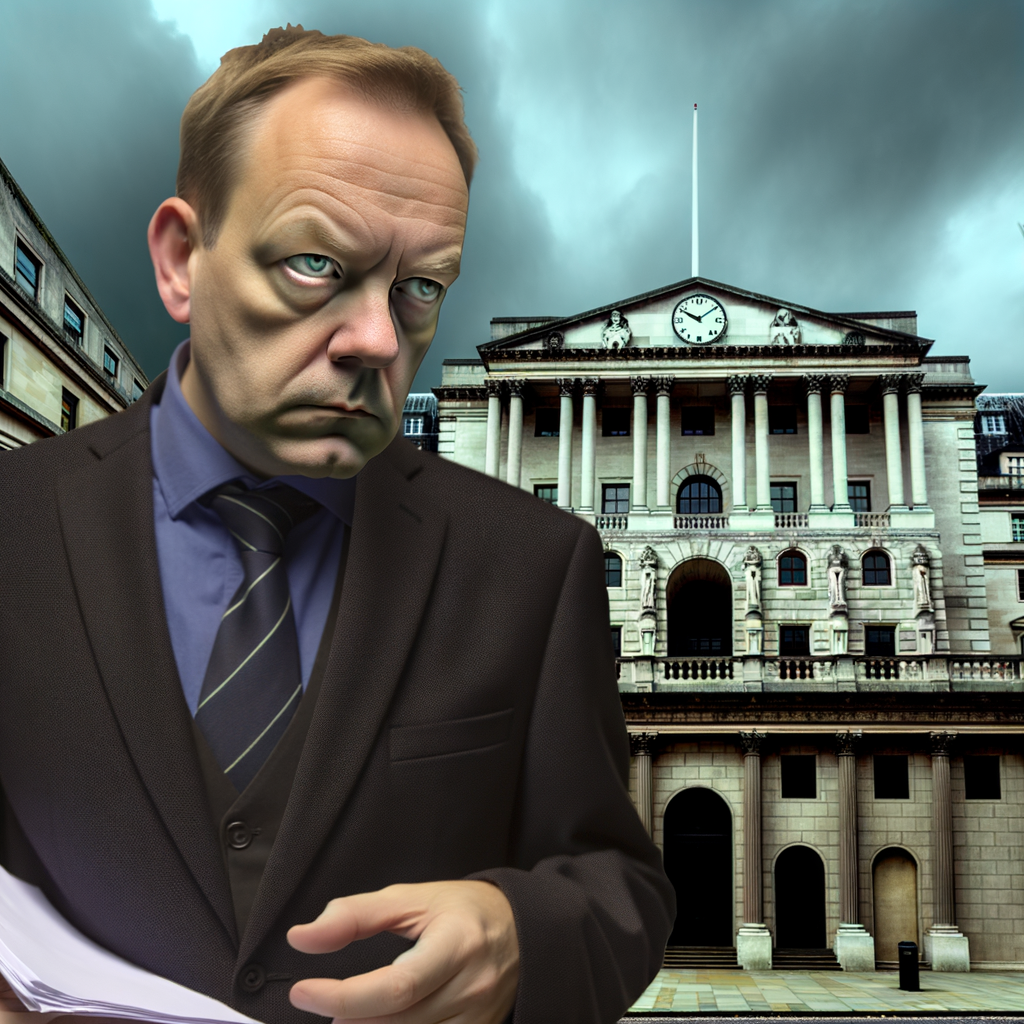
Interest Rates: A Balancing Act for Jersey’s Economic Future
In a recent statement, Huw Pill, the chief economist at the Bank of England, has raised eyebrows and sparked discussions about the delicate dance of interest rates. His caution against slashing rates “too far or too fast” resonates not just in the UK but also here in Jersey, where economic stability is paramount. This article delves into the implications of Pill’s remarks, the current economic climate, and what it all means for our island.
The Current Economic Landscape
As we navigate through the post-pandemic recovery, the economic landscape remains fraught with challenges. Inflation rates have been a hot topic, with many households feeling the pinch. The Bank of England’s recent decisions on interest rates have been pivotal in shaping the financial environment, and Pill’s latest comments suggest a cautious approach moving forward.
Why Caution is Key
Pill’s warning against aggressive rate cuts is rooted in the potential consequences of such actions. A rapid decrease in interest rates could lead to a surge in borrowing, which, while initially stimulating the economy, may result in long-term inflationary pressures. For Jersey, where the economy is heavily reliant on financial services and tourism, the stakes are particularly high.
- Inflation Control: Maintaining a steady interest rate helps keep inflation in check, ensuring that the cost of living does not spiral out of control.
- Consumer Confidence: A stable interest rate environment fosters consumer confidence, encouraging spending and investment.
- Housing Market Stability: For Jersey’s housing market, where affordability is a growing concern, a cautious approach to interest rates can prevent a housing bubble.
The Jersey Perspective
For our local economy, the implications of Pill’s statements are significant. Jersey’s financial sector is sensitive to changes in interest rates, and any shifts can have a ripple effect on employment, investment, and overall economic health. The government must tread carefully, balancing the need for growth with the necessity of fiscal responsibility.
Government Spending Scrutiny
As we consider the implications of interest rate policies, it is essential to scrutinise the Jersey government’s approach to public spending. With taxpayers’ money at stake, the efficiency of government expenditure is a topic that deserves our attention. Are we seeing prudent management of funds, or is there room for improvement?
- Public Services: Are we getting value for money in public services, or are we witnessing wasteful spending?
- Infrastructure Investment: Is the government investing wisely in infrastructure that will benefit future generations?
- Transparency: How transparent is the government about its financial decisions, and are they held accountable?
International Implications
While Pill’s comments are directed at the UK, the international economic climate cannot be ignored. Global markets are interconnected, and decisions made in London can have far-reaching effects on Jersey’s economy. As we look to the future, it is crucial to consider how international trends in interest rates and economic policy may impact our island.
Potential Risks and Rewards
As Jersey navigates these uncertain waters, there are both risks and rewards to consider:
- Risk of Economic Slowdown: If interest rates are not managed carefully, we could face an economic slowdown that affects jobs and investment.
- Opportunity for Growth: Conversely, a well-timed adjustment in rates could stimulate growth, particularly in sectors like tourism and finance.
Conclusion: The NSFW Perspective
In conclusion, Huw Pill’s cautionary stance on interest rates serves as a timely reminder for Jersey’s policymakers. As we strive for economic stability, it is essential to balance growth with fiscal responsibility. The Jersey government must be held accountable for its spending decisions, ensuring that public funds are used wisely to benefit all residents. As we look ahead, let us remain vigilant and engaged, advocating for a prosperous future while keeping a watchful eye on the delicate balance of interest rates.