# Unmasking the Bard: Was Shakespeare a Woman?
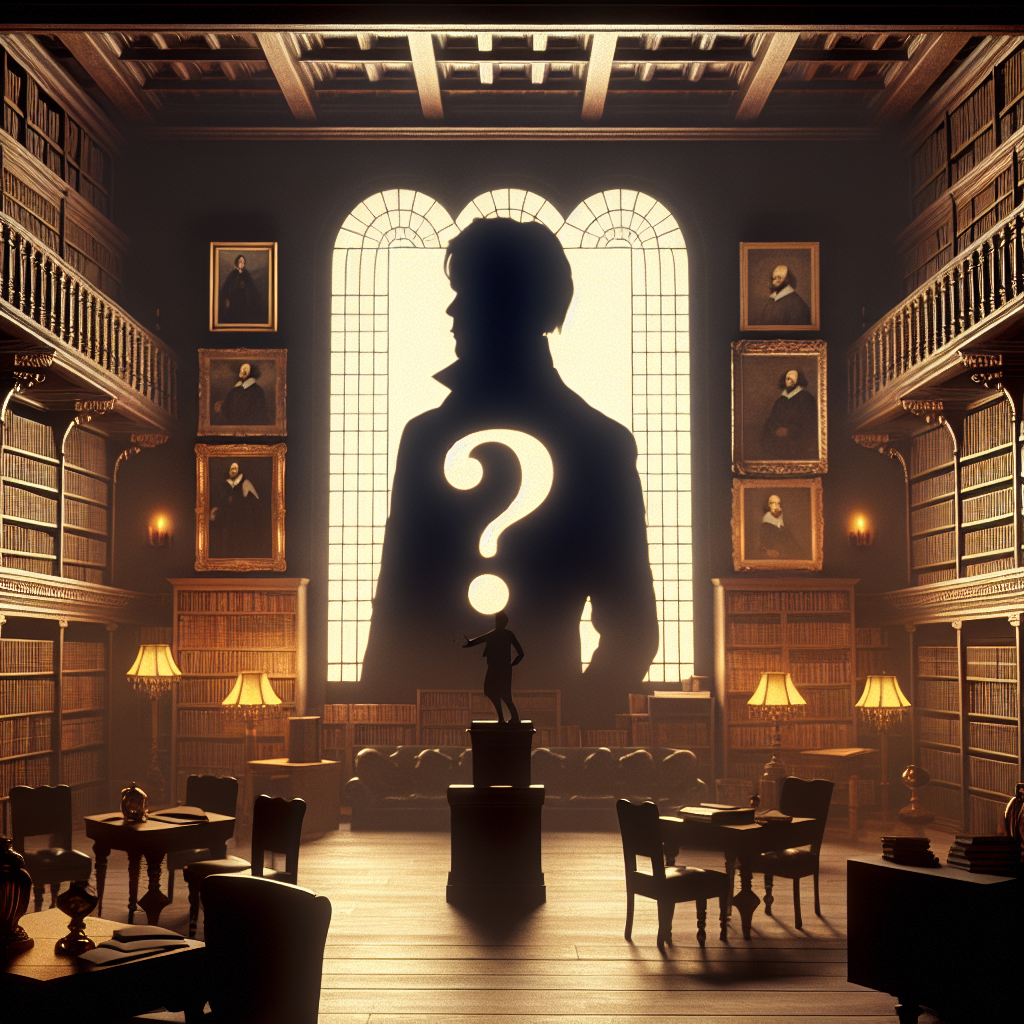
In a provocative panel discussion, Elizabeth Winkler, author of ‘Shakespeare Was a Woman and Other Heresies’, challenges centuries-old assumptions about the identity of the world’s most famous playwright. The event, hosted by an undisclosed institution, promises to stir up a literary tempest with Winkler’s controversial thesis at its eye.
## Summary of the Bard’s New Identity
– Elizabeth Winkler presents a theory that William Shakespeare might have been a woman.
– The panel discussion aims to delve into the evidence and implications of this claim.
– The topic has sparked debate among scholars and literary enthusiasts alike.
## The Panel Discussion: A Stage for Controversy
The literary world is no stranger to controversy, but Winkler’s claim that the Bard of Avon was, in fact, a woman, is a plot twist that would make Shakespeare himself proud—or perplexed. The panel discussion is set to dissect Winkler’s arguments, which range from an analysis of the female characters in Shakespeare’s plays to questioning the scant evidence of Shakespeare’s educational background.
### The Evidence Behind the Mask
Winkler’s arguments are not without merit or historical precedent. The Shakespeare authorship question has been a topic of debate for centuries, with various figures from Edward de Vere, the 17th Earl of Oxford, to Christopher Marlowe being posited as the true authors behind the Shakespearean canon. Winkler adds a new dimension to this debate by suggesting that a woman’s hand may be responsible for the plays and sonnets that have shaped English literature.
### Implications for Literary History
If Winkler’s theory holds water, it would not only rewrite the history of English literature but also shine a light on the role of women in the Elizabethan era. It would suggest that a woman, in a time of significant gender constraints, had the wit, the skill, and the audacity to pen works that have endured for over four centuries.
## The NSFW Perspective: A Jersey Take on Shakespeare’s Identity
While the debate over Shakespeare’s true identity may seem a distant concern for the residents of Jersey, the implications of such a revelation are far-reaching. If the Bard was indeed a woman, it speaks to the timeless struggle for recognition faced by female artists, a struggle that is as relevant in Jersey as it is elsewhere.
In a conservative reading, one might argue that the genius attributed to Shakespeare reflects an inherent meritocracy in art; that talent will out, regardless of the author’s gender. However, this perspective also underscores the importance of questioning established narratives and recognising the potential biases that have shaped our understanding of history.
From a local standpoint, the discussion serves as a reminder of the importance of supporting and acknowledging the contributions of women in Jersey’s own cultural landscape. It challenges us to consider how history is recorded and encourages a re-examination of the stories we hold as truths.
In conclusion, while the panel discussion on Elizabeth Winkler’s ‘Shakespeare Was a Woman and Other Heresies’ may not directly alter the course of Jersey’s cultural river, it certainly adds an intriguing tributary. It invites us to ponder the narratives we accept and the voices we amplify or silence. Whether or not the Bard was a woman, the discussion itself is a testament to the enduring power of Shakespeare’s work to inspire, provoke, and engage audiences across the ages and across the seas.