# A Blow to Urban Development: Le Masurier’s £120m Project Faces Setback
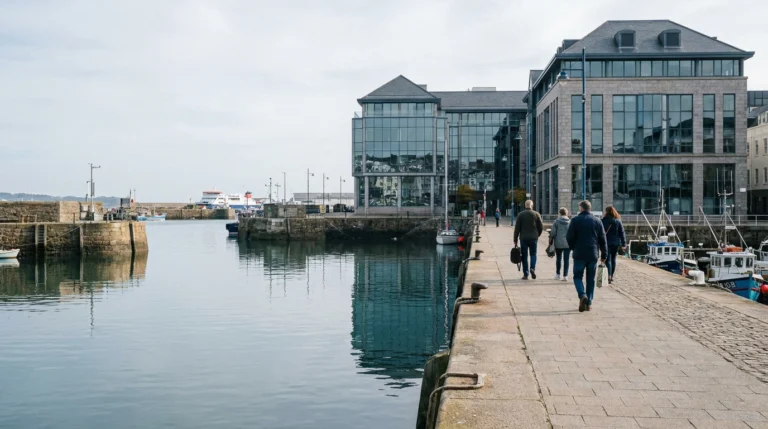
In a surprising turn of events, the Environment Minister has yielded to an appeal against the ambitious £120m project proposed by Le Masurier, intended to rejuvenate the core of St Helier with a new apartment and hotel complex. This decision throws a significant wrench in the plans for urban development and raises questions about the future of city planning in Jersey’s capital.
## Key Points at a Glance:
– Environment Minister concedes appeal against Le Masurier’s £120m development.
– The proposed project included apartments and a hotel in St Helier.
– Concerns raised over the project’s impact on local infrastructure and heritage.
## A Detailed Dive into the Development Debacle
### The Project’s Promise
Le Masurier’s vision for St Helier was one of transformation, promising to deliver state-of-the-art living spaces and a modern hotel that could bolster tourism and provide a shot in the arm to the local economy. The development was poised to be a jewel in the crown of Jersey’s urban landscape, potentially setting a precedent for future projects.
### The Appeal and its Implications
However, not everyone shared this rosy view of the future. The appeal against the project brought to light several concerns, ranging from the potential strain on local infrastructure to the impact on St Helier’s unique architectural heritage. Critics argued that the scale and design of the complex were at odds with the character of the area and could lead to a loss of identity for the historic town center.
### The Minister’s Decision
The Environment Minister’s decision to concede the appeal reflects a cautious approach to urban development. It suggests a prioritisation of cultural preservation and infrastructural integrity over the allure of economic incentives. The move has been met with both applause and criticism, as it underscores the delicate balance between progress and preservation.
## The NSFW Perspective: A Conservative Take on Urban Progress
From the NSFW viewpoint, the minister’s concession on Le Masurier’s development plan is a testament to the conservative principle of measured growth. It’s a reminder that not all that glitters is gold, and that the rush towards modernisation must not come at the cost of our heritage and the well-being of our communities.
While economic development is crucial, it should not steamroll over the legitimate concerns of residents and the unique character that makes Jersey, particularly St Helier, a place worth living in and visiting. This decision may be a setback for Le Masurier, but it could also be a call for developers to engage more deeply with the community, ensuring that progress and tradition can coexist harmoniously.
In the end, it’s about finding a sustainable path forward, one that respects the past while cautiously embracing the future. The Environment Minister’s move might not be the last word on this project, but it certainly sets a precedent for how Jersey approaches its urban development challenges. As we look ahead, let’s hope that the dialogue continues, with the voices of all stakeholders being heard and considered in the shaping of our island’s future.
For the residents of Jersey, the impact is immediate. There’s a sense of relief for those who feared overdevelopment, yet a lingering question remains for those concerned about economic growth: What’s the alternative? It’s a classic case of development vs. conservation, and Jersey finds itself at the crossroads, contemplating the next step in its urban evolution.