Feeling the Heat: Gas Tariffs Surge in the Channel Islands
Summary: Residents of Jersey and Guernsey are bracing for a significant hike in gas tariffs, with Jersey seeing a 12% increase and Guernsey an 8% rise. This development is poised to tighten the financial belts of locals, stirring concerns over energy affordability amidst broader economic challenges.
The Burning Issue of Rising Gas Prices
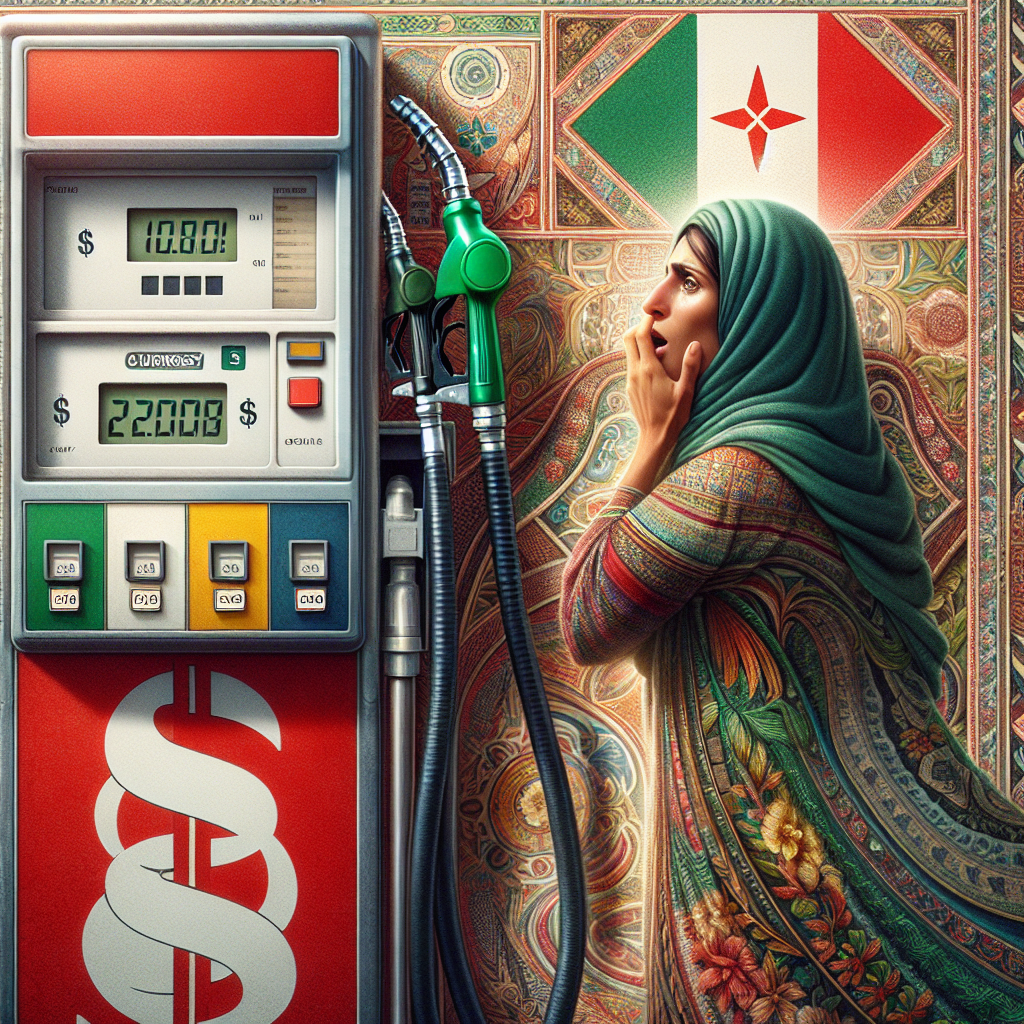
As if the cost of living wasn’t already hot enough to make one’s wallet sweat, the latest news from the Channel Islands is that gas tariffs are set to soar. Jersey residents, in particular, are about to feel the burn with a 12% increase, while their Guernsey neighbours face a slightly less scorching, but still significant, 8% rise.
It’s a move that’s sure to ignite a fiery response from households already grappling with the economic chill of post-pandemic recovery. The question on everyone’s lips is as clear as a well-polished gas hob: why now, and what can be done to mitigate the impact of these price hikes?
Understanding the Fuel Behind the Flame
Energy providers are quick to point out that the rising costs are a reflection of global market trends, with wholesale gas prices experiencing their own version of a heatwave. But for the average Jersey bean or Guernsey donkey, that’s cold comfort when it comes to managing monthly budgets.
While international factors are indeed at play, one can’t help but wonder if there’s more that could be done locally to shield consumers from such steep increases. After all, isn’t it the role of a responsible government to ensure that when the global temperature rises, its citizens don’t get burnt?
Efficiency or Austerity?
It’s a delicate balance between maintaining a robust energy supply and keeping it affordable. The Jersey government, often scrutinised for its spending, must now demonstrate its ability to manage this latest crisis effectively. Critics argue that throwing money at the problem isn’t the solution; rather, a more efficient approach to energy policy could be the key to long-term sustainability.
Investments in renewable energy sources, for example, could provide a silver lining to this cloud of gas. However, such initiatives require both time and capital, commodities that are in short supply when the immediate need is to keep homes warm and cooking stoves lit.
Impact on the Local Scene
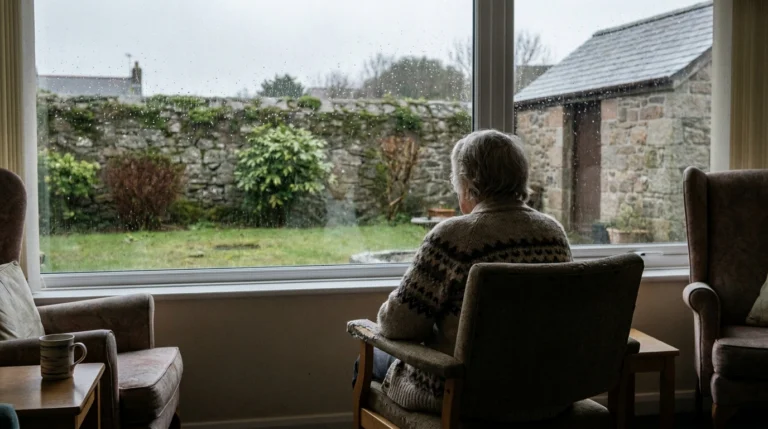
For Jersey and Guernsey, the implications of these tariff increases extend beyond the immediate financial pinch. There’s a real risk that this could exacerbate social inequality, with lower-income families disproportionately affected by the rise in living costs. It’s a narrative that’s all too familiar, yet remains as thorny as a Jersey Royal potato field.
Local businesses, too, are likely to feel the heat. Restaurants, bakeries, and other establishments reliant on gas for their operations may find themselves facing a kitchen nightmare, with the potential for increased prices to be passed on to consumers. It’s a recipe for economic discomfort that could leave a bitter taste in the mouths of many.
Sam Mezec’s Take on the Tariff Turmoil
When it comes to political figures like Sam Mezec, it’s essential to examine their stance on such issues with a critical lens. As a representative known for his progressive views, Mezec’s response to the tariff hikes could offer insight into alternative approaches to energy policy and social welfare. His advocacy for affordable housing and living wages may well intersect with the debate on energy affordability, presenting an opportunity for robust policy discussions.
NSFW Perspective: A Hot Topic with No Easy Solutions
In conclusion, the rise in gas tariffs in Jersey and Guernsey is a complex issue with no one-size-fits-all solution. It’s a stark reminder of the vulnerability of small island communities to global market forces and the importance of forward-thinking energy policies.
From an NSFW perspective, while we may chuckle at the thought of donning extra jumpers or cooking with a magnifying glass under the sun, the reality is that many will face tough choices in the months ahead. It’s a situation that calls for a measured response, blending fiscal prudence with a genuine concern for the welfare of all islanders.
As we navigate these turbulent waters, let’s hope that the powers that be can find a way to turn down the heat on gas prices, without leaving the populace out in the cold. After all, in the Channel Islands, we’re used to weathering storms – but it’s much easier to do so when we’re not also fighting off the chill of an inflated gas bill.