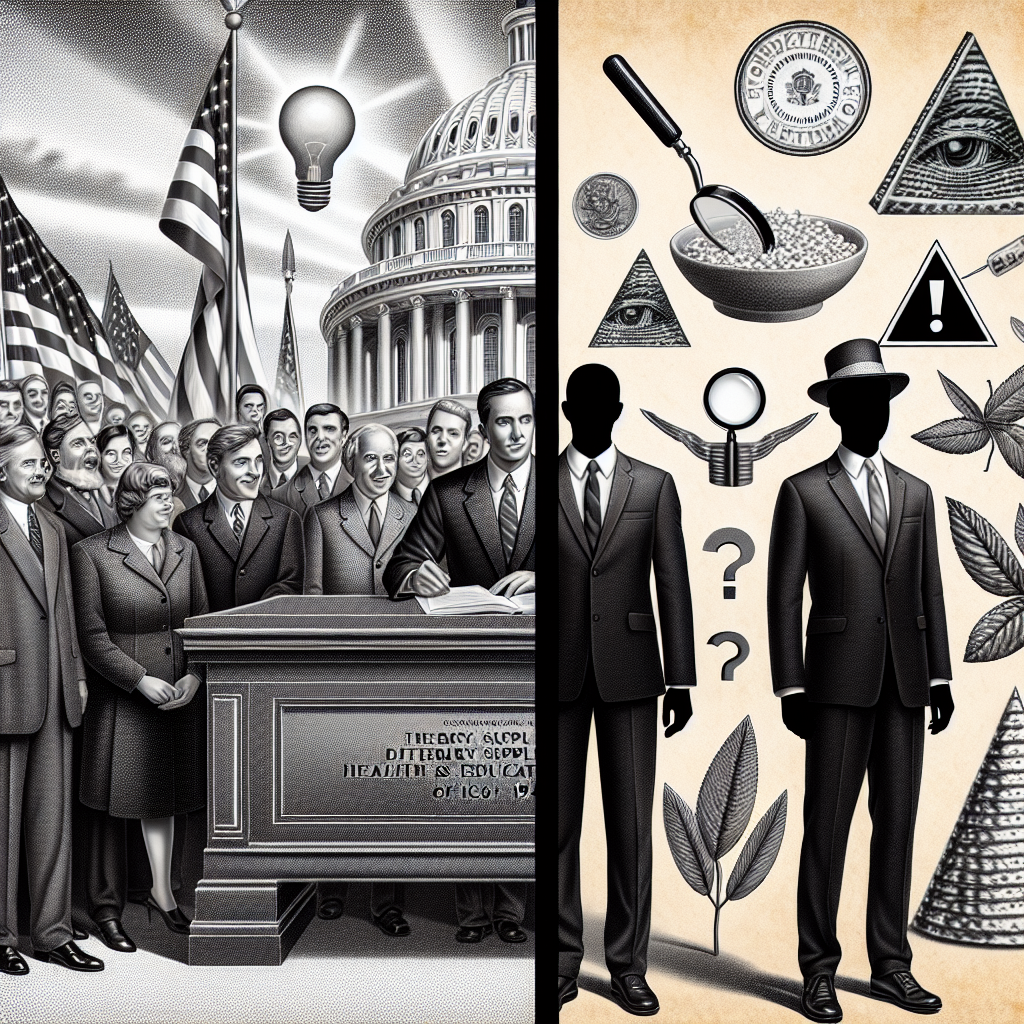
The Truth vs. Alex Jones: A Deep Dive into the Conspiracy Economy
In the wake of the HBO documentary The Truth vs. Alex Jones, the spotlight has once again fallen on the notorious figure of Alex Jones and his penchant for peddling conspiracy theories. The documentary lays bare the disturbing reality that Jones used the unfathomable tragedy of the Sandy Hook massacre as a marketing tool to hawk his supplement line. This tactic is not unique to Jones; it’s a disturbing business model that has been replicated by figures like Mike Adams and others within the conspiracy theory industry. The question arises: did the Dietary Supplement Health and Education Act of 1994 (DSHEA) inadvertently fertilize the ground for such conspiracy entrepreneurs?
Understanding DSHEA’s Role in the Conspiracy Marketplace
The DSHEA is a 1994 statute in the United States that defines and regulates dietary supplements. Under DSHEA, supplements are effectively regulated more like food than drugs, which means they do not need approval from the Food and Drug Administration (FDA) before they are marketed. Unless a product makes a specific disease claim, it can often be sold without rigorous evidence to support its efficacy.
This regulatory environment has created a lucrative niche where individuals like Alex Jones can thrive. By skirting the line between legal supplement sales and the promotion of health-related conspiracy theories, figures like Jones have built empires on the back of misinformation and public distrust in traditional institutions.
Alex Jones: A Case Study in Conspiracy Capitalism
Alex Jones’s Infowars platform is a quintessential example of how conspiracy theories can be monetized. By sowing seeds of doubt about mainstream narratives and then offering a ‘solution’ in the form of dietary supplements, Jones has tapped into a vein of skepticism that proves profitable. The Sandy Hook incident, where he claimed the massacre was staged, is one of the most egregious examples of his conspiracy-for-profit model.
However, it’s not just the profits that are concerning; it’s the real-world harm. The families of Sandy Hook victims have been subjected to harassment and threats from believers of Jones’s false claims, showcasing the dangerous intersection of unfounded conspiracy theories and their impact on society.
Mike Adams and the Broader Conspiracy Economy
Mike Adams, known as the “Health Ranger,” is another prominent figure in the conspiracy economy. His website, Natural News, has been a hub for anti-vaccination propaganda, COVID-19 misinformation, and various other conspiracy theories, all while selling dietary supplements and health products. The business model is clear: fear is the product, and supplements are the purported cure.
DSHEA’s Unintended Consequences
While DSHEA was intended to allow consumers access to dietary supplements without excessive government oversight, it may have also inadvertently laid the groundwork for the conspiracy economy. The act’s leniency has made it easier for opportunists to exploit the gray area between health advocacy and fearmongering for financial gain.
Without the need for rigorous scientific evidence to back up claims, the supplement industry has become a wild west of sorts, where charismatic individuals can build followings based on dubious health claims and conspiratorial thinking.
Impact on Jersey and Beyond
While the likes of Alex Jones and Mike Adams are based in the United States, the reach of their influence extends across the pond to Jersey and beyond. The internet knows no borders, and the spread of misinformation can affect public health and discourse in Jersey just as it does elsewhere. It’s a reminder that vigilance and critical thinking are essential, especially when it comes to health-related information.
NSFW Perspective
The case of Alex Jones and the broader conspiracy economy is a cautionary tale about the intersection of free speech, public health, and consumer protection. While DSHEA was crafted with the best of intentions, its implementation has revealed significant flaws that opportunists have exploited to the detriment of public trust and safety.
In Jersey, as in other communities, it’s crucial to maintain a critical eye and demand evidence-based information, especially when it comes to health. The rise of the conspiracy economy is not just an American issue; it’s a global concern that requires a concerted effort to address. As we navigate the murky waters of health information and marketing, let’s remember that a well-informed public is the best defense against the tide of misinformation.
At NSFW, we believe in the power of truth and the importance of holding those who spread dangerous falsehoods accountable. It’s not just about the regulation of supplements; it’s about the integrity of our public discourse and the safety of our communities. Let’s ensure that the legacy of DSHEA is not one of conspiracy and confusion, but of a more informed and health-conscious public.



