# The Curious Case of New England’s Secessionist Whispers
In the annals of American history, the War of 1812 often emerges as a somewhat overshadowed conflict, sandwiched between the revolutionary fervor of 1776 and the civil strife of 1861. Yet, it was during this period that a peculiar narrative unfolded, one that saw the Federalists in New England entertaining a rather radical idea: secession from the United States. This conspiracy theory, while never fully materialized, offers a fascinating glimpse into the early political fractures of a young nation.
## The War of 1812 and New England’s Discontent
The War of 1812, often dubbed “America’s second war of independence,” was not without its domestic critics. Among the most vocal were the Federalists in New England, who viewed the conflict with Great Britain as an unnecessary and economically disastrous endeavor. Their grievances were not without merit; the war had indeed brought trade to a near standstill, crippling the commerce-centric economy of the region.
### The Hartford Convention: A Hotbed of Secessionist Sentiment?
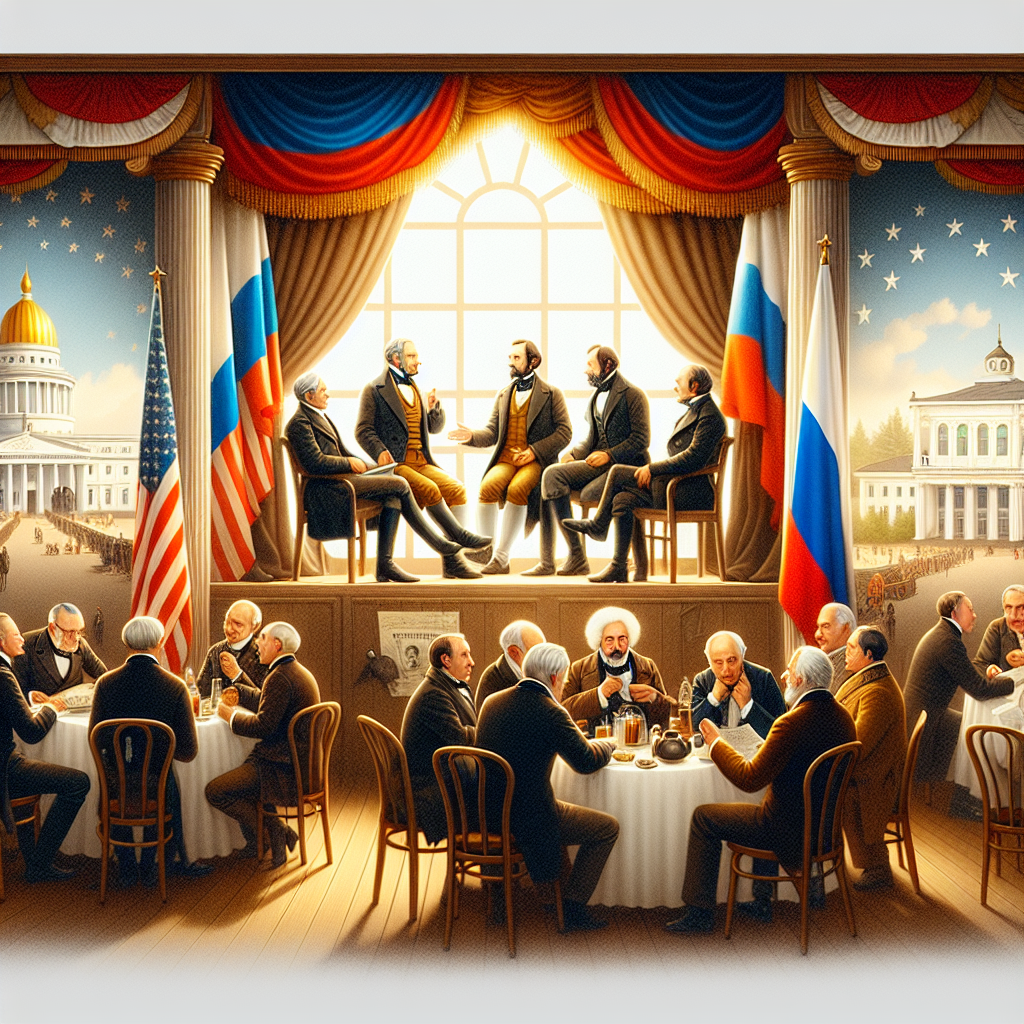
The Hartford Convention of 1814-1815, a gathering of Federalist delegates from five New England states, became the epicenter of secessionist sentiment. While the convention’s official purpose was to propose constitutional amendments to protect New England’s interests, rumors swirled that the delegates were plotting to break away from the Union.
## The Reality Behind the Rumors
Despite the conspiracy theories, the Hartford Convention did not explicitly call for secession. Instead, it produced a series of proposed amendments aimed at diminishing the influence of the Southern and Western states and protecting New England’s political power. However, the timing of the convention—coinciding with the end of the war and the signing of the Treaty of Ghent—rendered its outcomes largely moot.
### The Impact on Federalist Fortunes
The specter of secession and the perceived lack of patriotism among the Federalists dealt a severe blow to the party’s reputation. With the war concluding on a high note for the United States, the Federalists were cast as defeatists, and their political influence waned rapidly in the ensuing years.
## The NSFW Perspective
From the vantage point of Jersey, Channel Islands, the tale of New England’s flirtation with secession might seem a distant and curious footnote in history. Yet, it serves as a poignant reminder that the seeds of division can sprout in even the most robust democracies. For our conservative readership, the story underscores the importance of national unity and the perils of allowing economic grievances to fester into political chasms.
In Jersey, where the careful stewardship of public funds and governmental efficiency are of paramount concern, the New England Federalists’ plight is a cautionary tale. It reminds us that while dissent is a vital component of democracy, it must be channeled constructively, lest it undermine the very fabric of the nation.
As we reflect on this historical episode, let us also consider the enduring value of unity and the need for governments to be responsive to the economic well-being of their constituents. In doing so, we can appreciate the lessons of the past and strive to forge a more cohesive and prosperous future.



