Clearing the Air: The Persistent Myth of Chemtrails
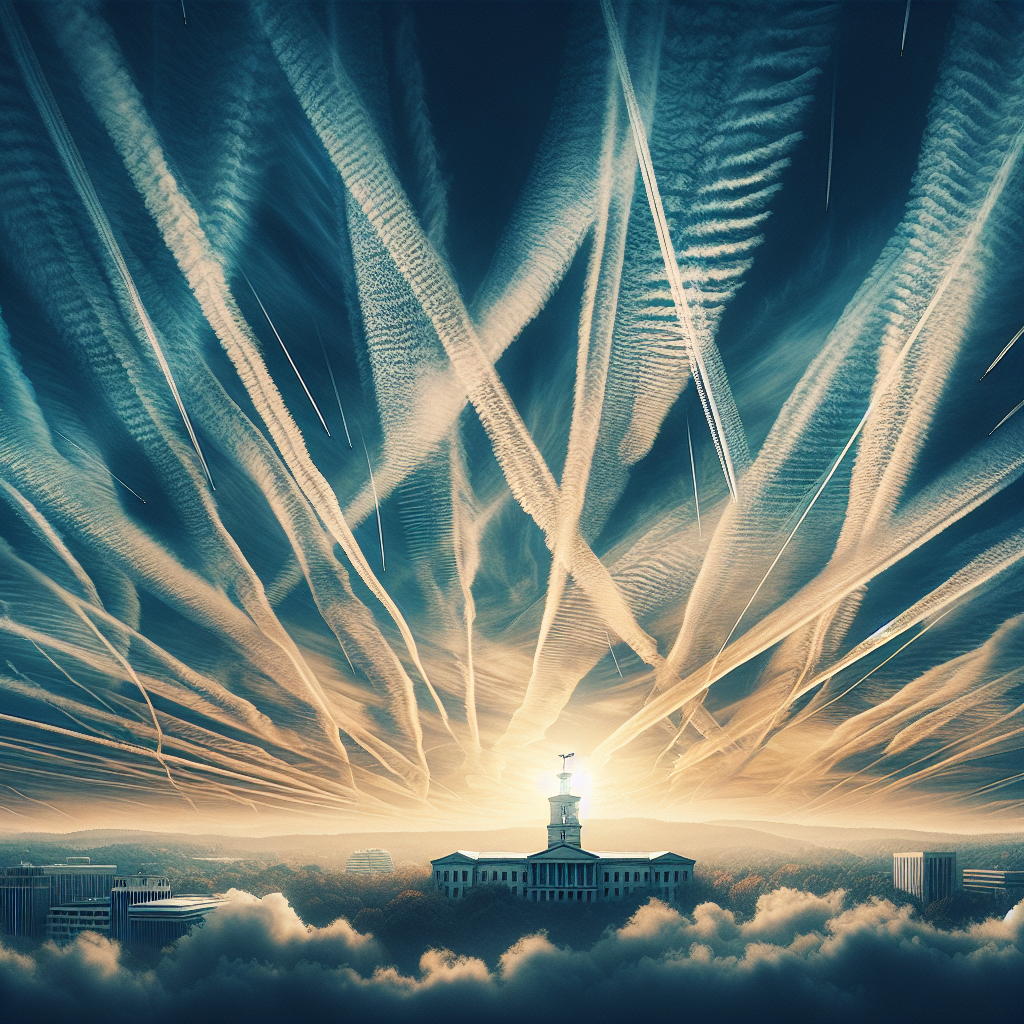
In the vast expanse of the sky, the sight of white streaks trailing behind aircraft is as common as the clouds. Yet, for some, these condensation trails, or contrails, are not mere byproducts of high-altitude flight but the subject of a persistent conspiracy theory: chemtrails. This theory falsely purports that these streaks are harmful substances deliberately sprayed by governments for nefarious purposes. Let’s take a closer look at this phenomenon and its implications.
Contrails vs. Chemtrails: A Scientific Perspective
Contrails are formed when the hot humid exhaust from jet engines hits the extremely cold air of the upper atmosphere. The water vapor from the exhaust then condenses into water droplets or ice crystals, forming the visible white streaks we see. This is a well-understood meteorological phenomenon, akin to seeing one’s breath on a cold day.
However, the chemtrail conspiracy theory suggests that these trails contain chemical or biological agents intentionally sprayed for purposes ranging from weather manipulation to population control. Despite the lack of credible scientific evidence to support these claims, the theory has found a foothold in some internet forums and social media platforms.
Debunking the Myth
Extensive research by scientists and reputable institutions has repeatedly debunked the chemtrail theory. Analyses of contrail composition reveal that they are primarily made of water, with trace amounts of carbon dioxide, nitrogen oxides, sulfate particles, and soot — typical byproducts of jet fuel combustion.
Moreover, the logistical challenges of secretly loading and dispersing vast quantities of chemicals on a global scale, without detection by international monitoring agencies, makes the chemtrail theory implausible. The persistence of this myth, despite the lack of evidence, is a testament to the power of misinformation in the digital age.
Why the Myth Persists
The chemtrail conspiracy is often fueled by a distrust in government and scientific authorities. It thrives on the human tendency to find patterns and assign meaning to them, even where none exist. In an era where skepticism towards official narratives is at an all-time high, such theories can quickly gain momentum.
Additionally, the visual impact of seeing the sky crisscrossed with streaks can be unsettling to some, providing a tangible image to attach to abstract fears about government overreach and environmental hazards.
Impact on Jersey and Beyond
While the chemtrail theory is largely a global phenomenon, it’s essential to consider its potential impact on local communities like Jersey. Misinformation can lead to public anxiety and mistrust in aviation and environmental policies. It can also distract from legitimate concerns about air quality and environmental protection.
For Jersey, with its pristine environment and tourism-reliant economy, combating such myths is crucial to maintaining public confidence and the island’s image as a clean and safe destination.
The NSFW Perspective
At NSFW, we understand the allure of a good conspiracy theory – it’s like the tabloid of the skies, sensational and gripping. But when it comes to chemtrails, the story is as thin as the air at cruising altitude. It’s important to ground our concerns in fact rather than fiction, especially when it comes to environmental and public health issues.
Jersey’s conservative readership values hard evidence and rational discourse. As such, we must focus on the real challenges we face, like ensuring the efficiency of our government and the responsible use of public funds in environmental initiatives. Let’s leave the chemtrail theory to the realm of science fiction and focus on the tangible steps we can take to protect our skies and our island.
In conclusion, while the chemtrail conspiracy theory provides an intriguing narrative for some, it remains just that – a narrative unsupported by scientific fact. It’s our responsibility to promote informed skepticism and prioritize real environmental concerns over fantastical speculation. After all, the only thing toxic about contrails is the misinformation that surrounds them.