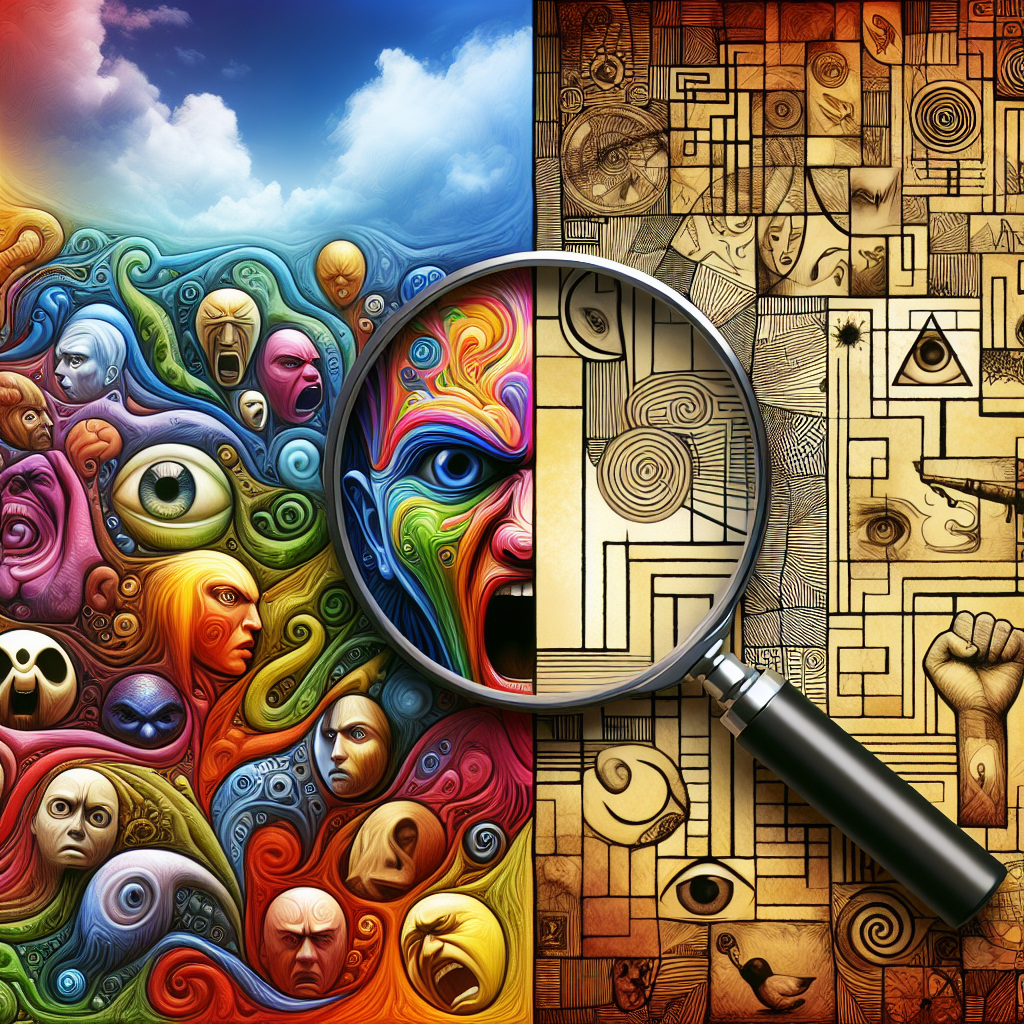
Unravelling the Tangled Web: TEDxSurrey Tackles Misinformation and Conspiracy Theories
Summary: TEDxSurrey recently illuminated the murky waters of misinformation and conspiracy theories with a panel discussion aimed at dissecting the causes, effects, and potential remedies for the spread of unverified information. The event, which brought together experts from various fields, sought to provide a deeper understanding of how conspiracy theories take root and what can be done to combat them.
The Battle Against Misinformation
In an era where the term ‘fake news’ has become a ubiquitous part of our lexicon, TEDxSurrey’s latest event couldn’t be more timely. The panel, comprising psychologists, technologists, and media specialists, embarked on a mission to demystify the phenomenon that has been shaping public opinion and, at times, undermining democracy itself.
As the speakers took the stage, the audience was treated to a blend of academic insight and real-world examples. The discussion ranged from the psychological allure of conspiracy theories to the role of social media algorithms in creating echo chambers that reinforce rather than challenge, one’s worldview.
Why Do Conspiracy Theories Thrive?
One of the key takeaways from the event was the understanding of why certain individuals are more susceptible to believing in conspiracy theories. It turns out that it’s not just about a lack of information but also about the human need for narrative and the comfort of having an explanation, however outlandish, for complex events.
The panelists also highlighted the role of cognitive biases, such as the confirmation bias, which leads people to favour information that confirms their pre-existing beliefs. This psychological quirk, when coupled with the targeted dissemination of misinformation, creates a fertile ground for conspiracy theories to flourish.
Combating the Spread
So, what’s the antidote to this growing epidemic of misinformation? The TEDxSurrey panelists proposed a multi-pronged approach. Education was at the forefront, with a call for critical thinking skills to be taught from a young age. Media literacy, they argued, is no longer a luxury but a necessity in the digital age.
Technology also has a role to play. Social media platforms are being urged to take greater responsibility for the content they host. The panelists suggested that tweaking algorithms to promote a diversity of viewpoints could help break the cycle of reinforcement that leads to radicalisation.
Relevance to Jersey
While the event took place in Surrey, the implications resonate with our readers in Jersey. In a small community, the spread of misinformation can have outsized effects, influencing local politics and community relations. It’s crucial for islanders to remain vigilant and informed, ensuring that decisions, both at the ballot box and in daily life, are based on facts rather than fiction.
Moreover, with Jersey’s own history of unique local lore and tales, it’s essential to distinguish between cherished cultural narratives and potentially harmful conspiracy theories that could undermine the social fabric of the island.
The NSFW Perspective
At NSFW, we understand that the line between healthy scepticism and falling down the rabbit hole of conspiracy theories can be thin. The TEDxSurrey event serves as a reminder that we must all be stewards of truth, especially in an age where misinformation is just a click away.
For our conservative readership, the message is clear: uphold the values of critical thinking and personal responsibility. Reject the allure of easy answers and sensationalist narratives. In doing so, we not only protect ourselves but also safeguard the integrity of our island’s discourse.
As we navigate the complex information landscape, let’s remember to keep our wits about us, our facts checked, and our sense of humour intact. After all, in the fight against misinformation, a well-timed joke can sometimes be the best reality check.
And remember, dear readers, in the wise words of a certain British statesman, “A lie gets halfway around the world before the truth has a chance to get its pants on.” So, let’s ensure truth is well-dressed and ready for the marathon ahead.



