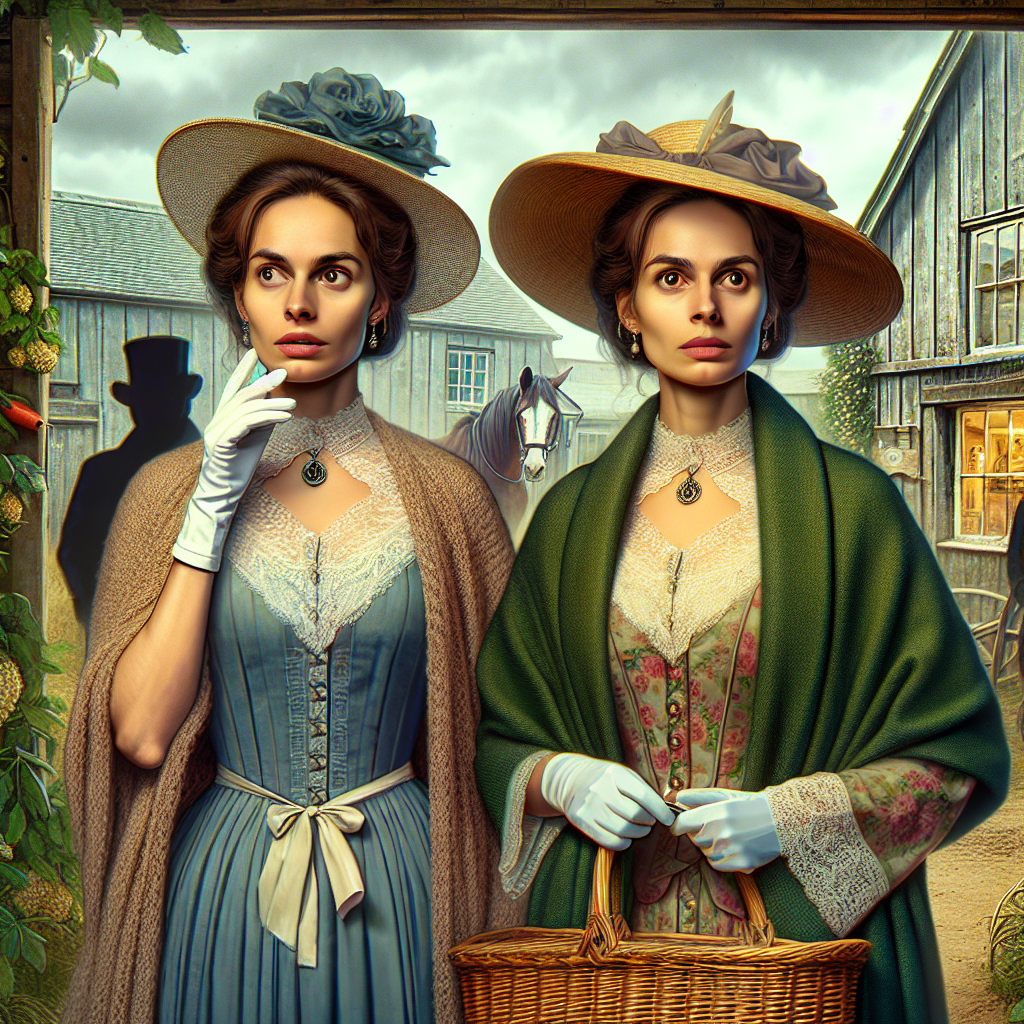
Double Take: The Curious Case of Heidi Agan and Her Royal Resemblance
Summary: Heidi Agan, a professional lookalike of the Princess of Wales, has found herself at the center of an online whirlwind. Social media users are abuzz with conspiracy theories, accusing her of stepping in for the Princess during public appearances. While the claims are unfounded, the situation sheds light on the fascination with royal doppelgängers and the power of social media to amplify unlikely stories.
The Lookalike Phenomenon
In a twist that could only be concocted in the depths of the internet, Heidi Agan, known for her striking resemblance to the Princess of Wales, has been swept up in a storm of social media speculation. Some eagle-eyed royal watchers are convinced that Agan has been moonlighting as the Princess herself at official engagements. The theory, as outlandish as it sounds, has gained traction online, leading to a barrage of comments on Agan’s social media profiles.
Agan, a former waitress turned professional royal lookalike, has made a career out of her uncanny similarity to the Princess. However, the recent surge in attention has brought an unexpected level of scrutiny, with some commentators dissecting her every post for evidence of a royal ruse.
Deciphering the Doppelgänger Debate
The fascination with lookalikes is nothing new; for centuries, people have been intrigued by the idea of finding their own double or spotting someone else’s. In the case of the royals, where public interest is perennially piqued, the existence of professional lookalikes like Agan provides a peculiar sort of entertainment.
Yet, the leap from amusement to accusation is a significant one. The claims against Agan highlight a broader trend in the digital age: the propensity for conspiracy theories to gain a foothold in the public imagination. Despite a lack of credible evidence, the narrative of a stand-in Princess has captured the fancy of some, demonstrating the blurred lines between reality and fantasy in the online world.
Impact on Jersey: A Royal Reflection
While the tale of Heidi Agan may seem a distant curiosity, it resonates with the residents of Jersey for several reasons. Firstly, the island’s own history and relationship with the Crown lend a certain relevance to royal matters. Secondly, the episode serves as a cautionary tale about the spread of misinformation, a concern that is as pertinent in Jersey as it is anywhere else in the digital age.
For a conservative readership that values tradition and skepticism of sensationalism, the story also underscores the importance of critical thinking and the need to question the veracity of what we see online. It’s a reminder that even in Jersey, where community ties are strong, the internet can sow seeds of doubt and discord.
The NSFW Perspective
In the grand tapestry of royal-related news, the saga of Heidi Agan is but a quirky footnote. Yet, it offers a glimpse into the peculiarities of our modern media landscape, where fact and fiction can become indistinguishable to the undiscerning eye. For the conservative mind, it’s a reaffirmation of the need for a measured approach to news consumption, where skepticism is balanced with sense, and entertainment doesn’t eclipse reality.
As for Agan, her experience is a stark reminder of the double-edged sword that is social media fame. While her likeness to the Princess of Wales has brought her opportunities, it has also exposed her to the wild theories that proliferate in the darker corners of the web. It’s a situation that would almost be comical if it weren’t for the real-world implications of such claims.
In conclusion, the story of Heidi Agan is a curious case study in the power of perception and the importance of maintaining a discerning eye. For the residents of Jersey, it’s a reminder that even the most seemingly benign stories can have broader implications for how we understand and engage with the world around us. And in the end, isn’t that the royal treatment of news analysis we all deserve?