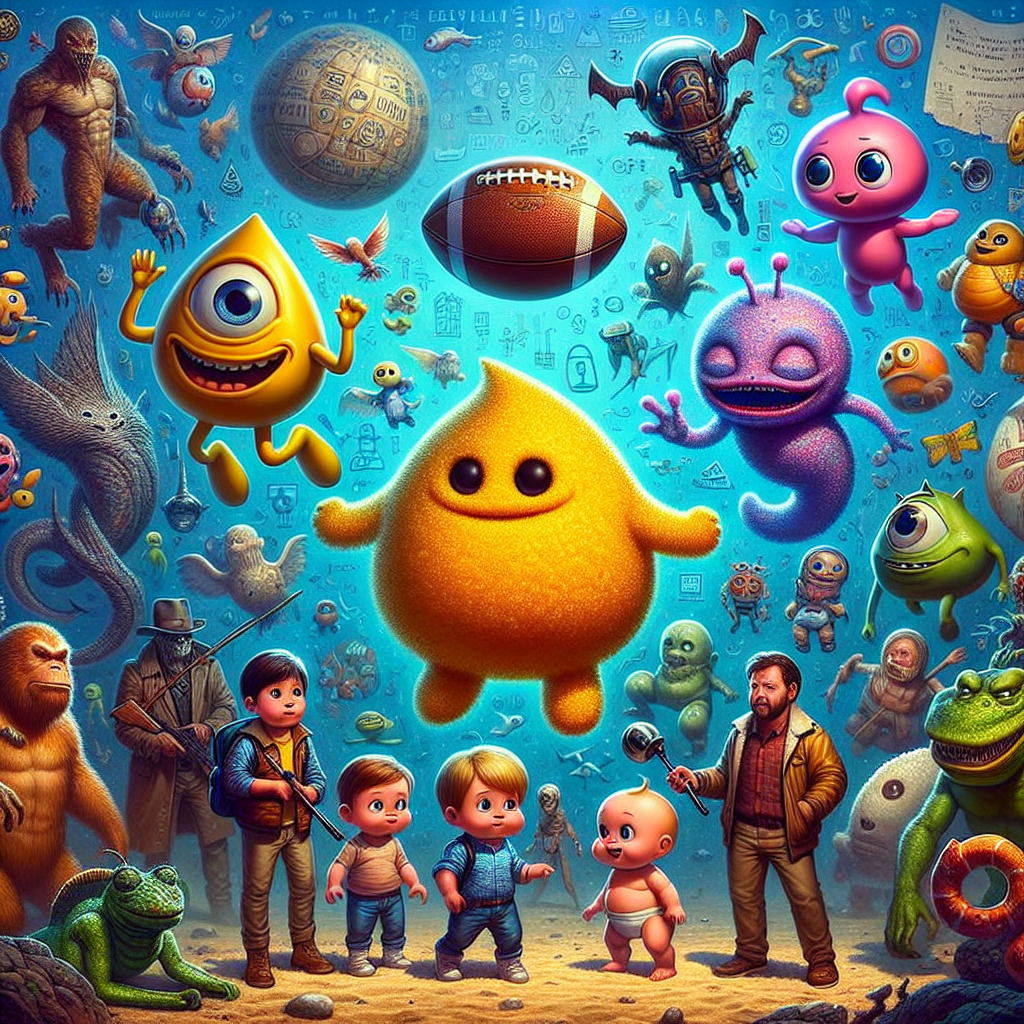
Debunking the Nickelodeon Name Controversy: A Mistranslation Mishap
In a world where social media can turn the mundane into the sensational, a recent uproar over the name of the beloved children’s network Nickelodeon has caught the attention of many. Claims have surfaced that the network’s name carries an anti-Christian meaning in Latin, sparking a wave of concern and confusion. However, it appears that a simple Google Translate error is the culprit behind this linguistic faux pas.
The Origin of the Nickelodeon Name
Before we dive into the controversy, let’s take a brief look at the history of the word “Nickelodeon.” The term dates back to the early 20th century, referring to movie theaters that charged a nickel for admission. These establishments were often called “nickel” for the coin, and “odeon,” from the ancient Greek word for a theatre or concert hall. It was a catchy name for a place of affordable entertainment, and it later became synonymous with the children’s TV network known for its iconic orange splat logo and a roster of memorable shows.
The Mistranslation Mishap
So, how did a children’s network name get tangled up in a theological tizzy? It seems that an error in Google Translate, the go-to tool for many a quick language check, led to the misunderstanding. When translating “Nickelodeon” from English to Latin, the algorithm seemingly concocted a phrase that some interpreted as having anti-Christian connotations. However, this is a classic case of digital miscommunication. Latin, a language steeped in history and nuance, often proves a challenge for even the most sophisticated translation software.
Understanding Translation Technology
It’s important to note that machine translation, while incredibly useful, is not infallible. Algorithms lack the cultural and contextual understanding that human translators possess. They operate on data and patterns, which can lead to errors, especially with languages that are no longer spoken conversationally, like Latin. This incident serves as a reminder that technology, though advanced, still has its limitations.
Setting the Record Straight
For those concerned about the implications of the name “Nickelodeon,” rest assured that there is no hidden agenda or secret message. The network, a staple of many childhoods, continues to focus on delivering entertaining and educational content to its young audience. The name, a nod to a bygone era of entertainment, carries with it a sense of nostalgia and fun, not controversy.
Impact on Jersey and Beyond
While the Nickelodeon name controversy may seem a world away from the shores of Jersey, it’s a poignant example of how misinformation can spread rapidly in our interconnected age. It’s a reminder to our local readership to approach such claims with a critical eye and a pinch of salt. After all, Jersey’s own rich history and language have seen their fair share of misinterpretations over the years.
The NSFW Perspective
In conclusion, the uproar over Nickelodeon’s name is a tempest in a teapot, stirred by the winds of social media and fueled by a translation tool’s blunder. It’s a modern-day cautionary tale about the reliability of online resources and the speed at which misinformation can travel. Here at NSFW, we encourage our readers to look beyond the sensational headlines and seek out the truth, much like we do when scrutinising the efficiency of our local government’s use of public funds.
So, let’s leave the Latin to the scholars and the children’s programming to Nickelodeon, and focus on the real issues at hand. After all, there’s plenty to keep our keen eyes busy without getting distracted by the digital equivalent of a misheard whisper down the lane.
And remember, in the grand tradition of Jersey’s own blend of Norman and English influences, it’s always wise to double-check before you double-take. Now, let’s switch off the Google Translate and switch on some good old-fashioned research and critical thinking, shall we?



