The Maui Wildfire Conspiracy: Sorting Fact from Fiction
In the wake of the devastating wildfires that ravaged Maui, a narrative as fiery as the blazes themselves has taken hold on social media platforms. Claims of the U.S. military’s involvement, utilising alleged futuristic energy weapons, have spread like wildfire across YouTube and TikTok. But what does the evidence say, and how do these conspiracy theories affect public perception and safety?
Unpacking the Maui Wildfire Conspiracy
It’s a tale that could be ripped straight from a science fiction novel: high-tech energy weapons, covert military operations, and a disaster of cinematic proportions. Yet, this is the story some have woven around the tragic Maui wildfires that claimed lives and homes. As these theories gain traction online, it’s crucial to dissect the claims with a critical eye.
The Role of Social Media in Spreading Wildfire Rumours
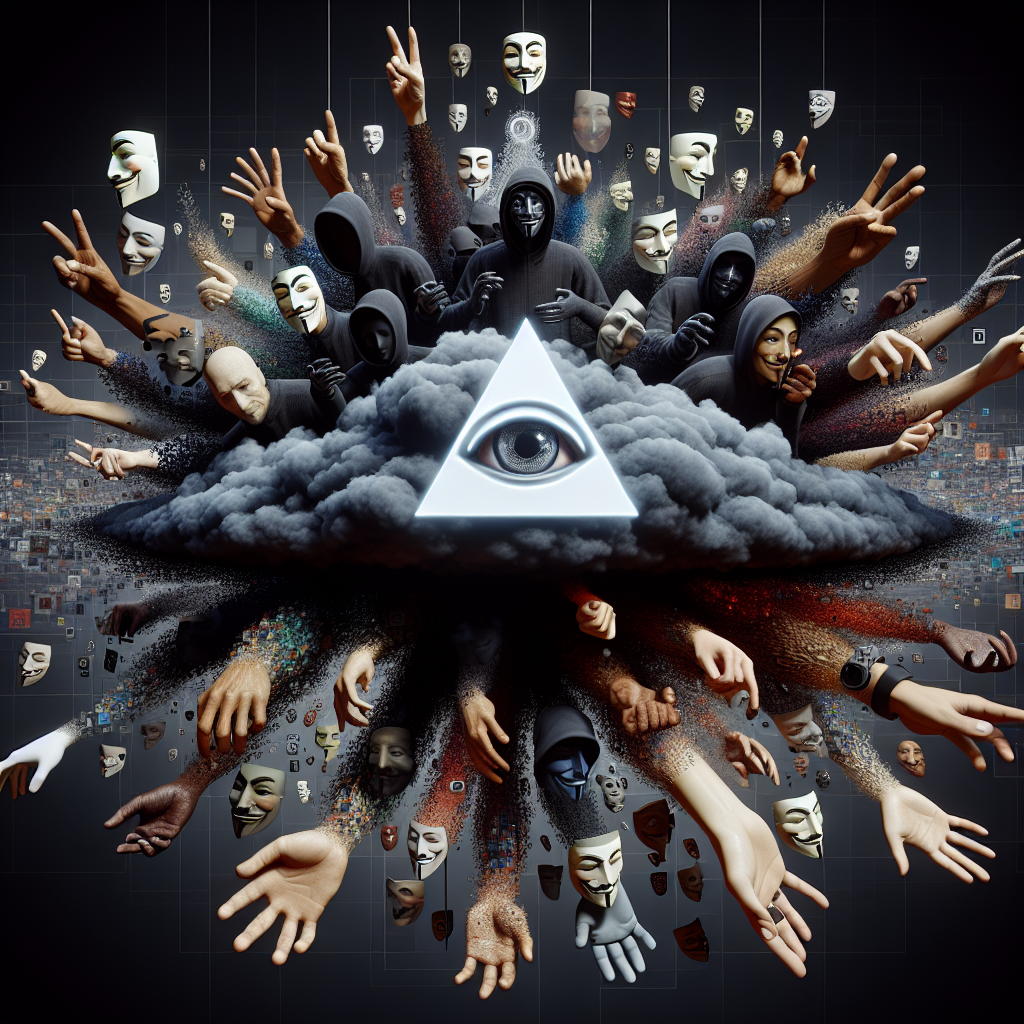
Social media has become a breeding ground for conspiracy theories, with the Maui wildfire allegations being no exception. The speed at which these ideas spread can often outpace the dissemination of verified information, leading to a muddled understanding of the event among the public. This phenomenon raises questions about the responsibility of platforms like YouTube and TikTok in moderating content and the impact of misinformation on disaster response efforts.
Investigating the Claims
While the notion of the U.S. military employing energy weapons is undeniably sensational, it’s essential to ground our understanding in fact. Investigations into the cause of the Maui wildfires have been thorough, with experts examining all possible angles. To date, there has been no credible evidence to support the theory of military involvement or the use of exotic weaponry.
The Impact of Conspiracy Theories on Public Trust
When conspiracy theories go viral, they can erode public trust in authorities and institutions. In the case of the Maui wildfires, such narratives could potentially hinder the efforts of first responders and disaster relief organisations. It’s a delicate balance between freedom of expression and the need to maintain public order and trust during times of crisis.
The NSFW Perspective
From the shores of Maui to the streets of Jersey, the wildfire conspiracy serves as a stark reminder of the power of misinformation. While it’s easy to dismiss such theories as fringe, their real-world implications cannot be ignored. In Jersey, where community and trust are paramount, the lessons from Maui’s experience are clear: critical thinking and verified information must prevail over sensationalism.
At NSFW, we understand the allure of a good conspiracy theory, but we also recognise the importance of separating fact from fiction. As we navigate an era where information is as abundant as it is questionable, we must commit to a standard of truth, especially when the stakes are as high as life and property. In the end, the truth is often less cinematic than conspiracy theorists would have us believe, but it is always more valuable.
For our conservative readership in Jersey, the Maui wildfire conspiracy is a cautionary tale. It’s a reminder to question what we see online, to seek out multiple sources, and to support the institutions that work tirelessly to protect us from such disasters. After all, in an age of rampant misinformation, a well-informed public is the best defence against the spread of baseless theories.
Let us take this moment to reflect on the importance of media literacy and the role each of us plays in fostering a well-informed community. In Jersey and beyond, the truth is our most precious commodity, and it’s one we must protect with vigilance and a healthy dose of scepticism.
And so, while the embers of the Maui wildfires have long been extinguished, the flames of truth continue to burn brightly, guiding us through the smoke of uncertainty and illuminating the path forward.
Remember, dear readers, stay informed, stay sceptical, and above all, stay safe.