Reeling in the Rules: Jersey’s Black Bream in Need of Breeding Space
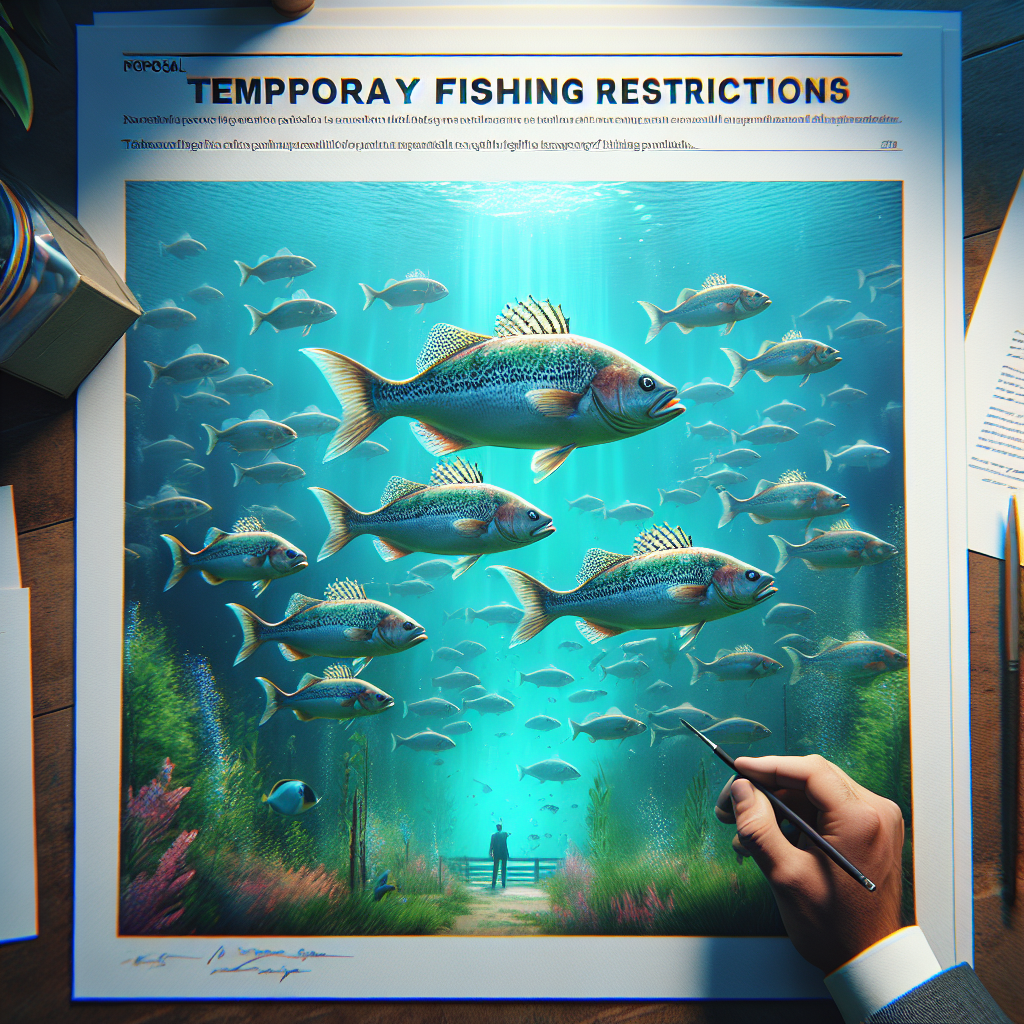
Summary: A recent study has cast the fishing line into troubled waters, suggesting that Jersey’s black bream population could be facing a breeding blockade due to unrestricted fishing. The study recommends designated no-fishing zones during the critical breeding season to ensure the species’ sustainability.
The Plight of the Black Bream
Jersey’s marine life is a shimmering jewel in the island’s crown, but it seems that not all that glitters is gold for the black bream. These silver-scaled swimmers are hitting a snag in their breeding routine, and local environmentalists are sounding the alarm. A new study has surfaced, and it’s not just fishing for compliments—it’s calling for action.
The black bream, a species known for its architectural prowess in building nests, is facing a tide of challenges. The study, conducted by a team of marine biologists, has highlighted the need for a breeding sanctuary. The proposal? To cast a net of protection over certain areas of Jersey’s waters during the black bream’s breeding season.
Proposed Conservation Measures
Conservationists are angling for a change in the way we approach our aquatic neighbours. The study suggests that by restricting fishing in key breeding grounds, we can throw the black bream a lifeline. This isn’t just about keeping the rods at bay for a season; it’s about ensuring that future generations can continue to enjoy the bounty of Jersey’s seas.
The proposed no-fishing zones would serve as safe havens for the black bream to spawn and nurture their young away from the prying hooks of fishing enthusiasts. It’s a conservation effort that could see Jersey set an example for sustainable fishing practices worldwide.
Local Fishermen’s Take
But what of the local fishermen, whose livelihoods are as entwined with the sea as the seaweed that dances with the tides? There’s a delicate balance to be struck between preserving marine life and supporting the fishing industry—a balance that requires careful navigation.
Some fishermen might see these restrictions as a barnacle on the hull of their business, potentially impacting their catch and their income. However, the long-term view suggests that sustainable fishing could lead to more abundant and healthier fish stocks, ultimately benefiting the industry.
International Waters, Local Impact
While the black bream’s breeding ballet may seem a world away from the concerns of Jersey’s residents, the implications of this study ripple closer to shore than one might think. The health of our marine ecosystems is intrinsically linked to the island’s economy and its cultural heritage.
Jersey has long prided itself on its pristine waters and rich fishing heritage. By adopting these recommendations, the island could bolster its reputation as a bastion of environmental stewardship, potentially attracting eco-conscious tourists and setting a precedent for other maritime communities.