The Devil’s in the Details: Revisiting the Satanic Panic’s Grip on Hollywood
Summary: The Satanic Panic of the 80s and 90s, a period marked by widespread fear of satanic cults, left an indelible mark on American culture. Hollywood, with its glitzy veneer and penchant for the occult in cinema, found itself at the epicenter of these conspiracy theories. As we look back, it’s crucial to dissect the impact of these theories and their relevance to today’s society.
The Rise of the Satanic Panic
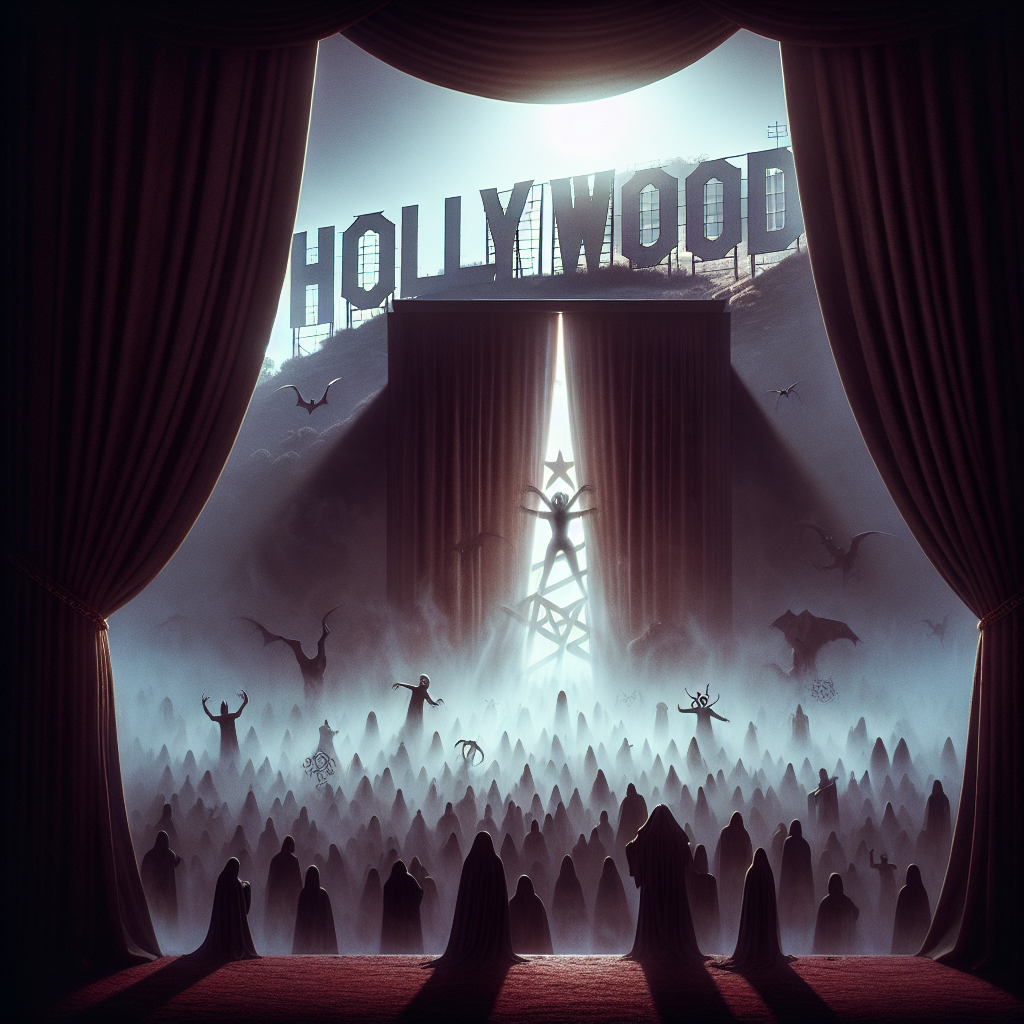
In the 1980s and 90s, America was in the throes of a moral panic that would come to be known as the Satanic Panic. It was a time when the mere mention of Satanism could send shivers down the spine of the conservative heartland. Hollywood, ever the purveyor of dreams and nightmares, was accused of being a hotbed for satanic activity, with films and stars alike scrutinized for their alleged devilish connections.
It was a time when the line between reality and the supernatural seemed perilously thin. Films like “The Exorcist” and “Rosemary’s Baby” had sown the seeds of this cultural anxiety, which blossomed into full-blown paranoia as conspiracy theorists connected the dots they drew themselves. The panic was fuelled by sensationalist media reports and was further exacerbated by the rise of televangelists preaching about the moral decline of the nation.
Hollywood’s Role in the Cultural Phenomenon
Hollywood has long had a fascination with the occult, which has been reflected in its films. However, during the Satanic Panic, this fascination was seen not as a harmless exploration of cultural themes but as evidence of a vast, underground network of devil-worshippers. The industry’s penchant for the macabre was no longer just entertainment; it was a cause for national concern.
Stars were scrutinized for their personal lives and on-screen roles, with some conspiracy theorists going so far as to claim that certain actors were actual practitioners of Satanism. The music industry wasn’t spared either, with heavy metal bands like Judas Priest and Ozzy Osbourne accused of hiding subliminal satanic messages in their songs.
Impact on Society and Culture
The Satanic Panic had real-world consequences. It wasn’t just a matter of tabloid fodder; people’s lives were affected. The McMartin preschool trial, one of the most infamous court cases of the era, saw allegations of satanic ritual abuse that were later discredited. Yet, the damage was done, and the trial remains a cautionary tale of mass hysteria and the power of suggestion.
Moreover, the panic reflected deeper societal fears about the erosion of traditional values and the perceived threat of alternative lifestyles and beliefs. It was a cultural moment that underscored the tension between the progressive movements of the 60s and 70s and the conservative backlash that followed.
The Legacy and Lessons Learned
Today, the Satanic Panic serves as a historical footnote, a bizarre chapter in America’s cultural history. But its legacy persists, reminding us of the dangers of moral panics and the ease with which fear can be manipulated. It’s a cautionary tale of what happens when the court of public opinion overrules rational thought and due process.
As we reflect on this period, it’s essential to recognize the role that media and entertainment play in shaping public perception. The stories we tell and the fears we stoke have power, and with that power comes responsibility.
The NSFW Perspective
From the NSFW vantage point, the Satanic Panic was a cocktail of moral outrage, media sensationalism, and a dash of Hollywood’s own love for the dramatic. It’s a reminder that while the devil may be in the details, sometimes those details are concocted in the cauldrons of our own imaginations.
For our readers in Jersey, the Satanic Panic might seem like a distant American hysteria, but it’s a poignant example of how fear can transcend borders and oceans. It’s a lesson in critical thinking and the importance of questioning the narratives we’re sold, whether they’re about devil-worshipping celebrities or other sensational claims.
In a world where “fake news” has become a catchphrase, the Satanic Panic is a stark reminder of the power of stories and the need for a discerning eye. It’s a call to stay informed, stay skeptical, and maybe, just for good measure, to keep an eye out for those subliminal messages in your heavy metal records.
And so, as we cast our gaze back on the Satanic Panic, let’s do so with a wry smile and the knowledge that while Hollywood may have its demons, they’re more likely to be found in a script than in a secret cult. After all, the only thing we should really fear is fear itself… and perhaps the occasional bad sequel.