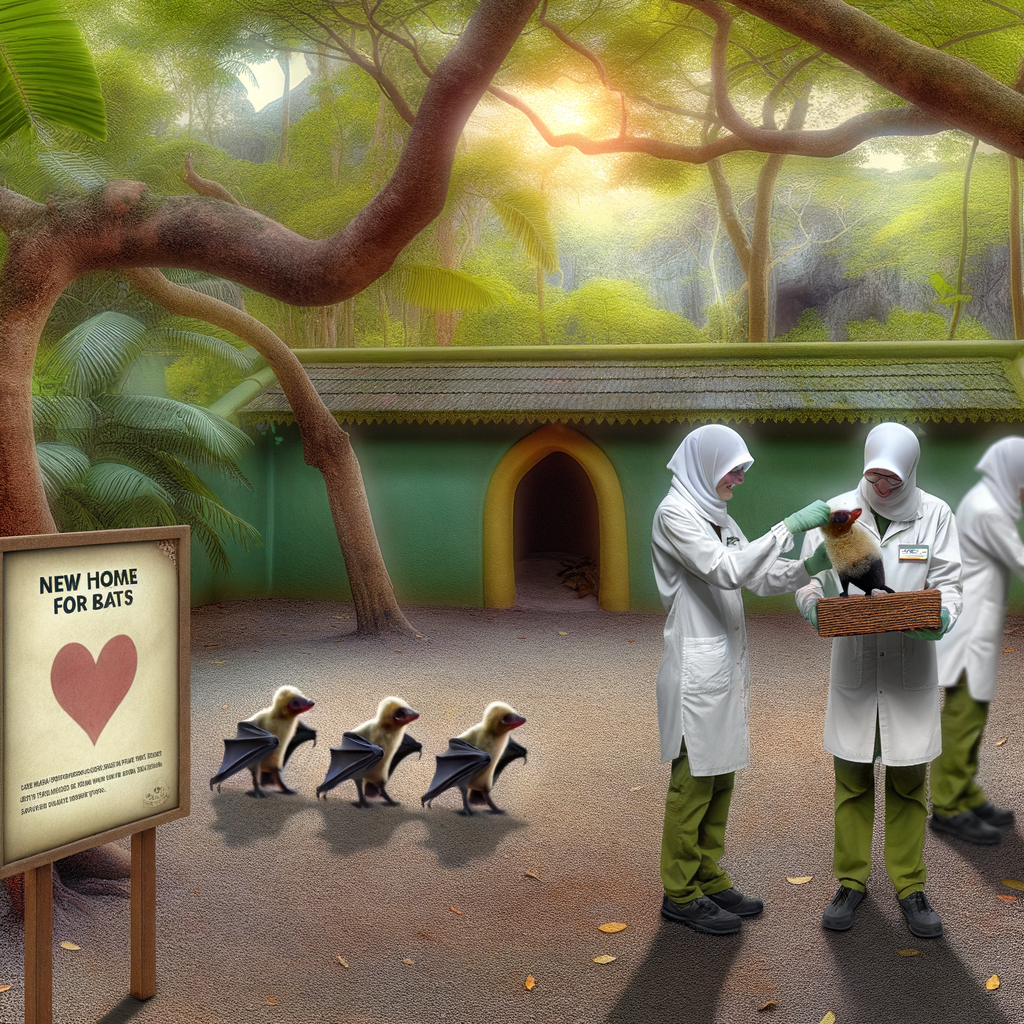
Jersey Zoo’s Fruit Bat Fiasco: A Difficult Decision
In a move that has left animal lovers and conservationists scratching their heads, Jersey Zoo has announced the rehoming of its colony of Livingstone’s fruit bats. The decision, described as “difficult” by the Durrell Wildlife Conservation Trust, comes after a thorough evaluation of the costs and logistics involved in repairing the Bat Tunnel, the bats’ long-time abode. With repair costs estimated to be in the seven-figure range, the zoo has opted for a different route. But what does this mean for the future of the bats and the zoo itself? Let’s dive in.
The Bat Tunnel: A Costly Conundrum
For those unfamiliar with the intricacies of zoo management, the Bat Tunnel has been a crucial habitat for the Livingstone’s fruit bats, a species known for its unique appearance and ecological importance. Curator of mammals, Ben Matthews, has stated that the decision to rehome the bats was not taken lightly. The financial implications of repairing the Bat Tunnel were simply too steep for the Trust to bear.
“Rebuilding the tunnel would cost at least seven figures,” Matthews explained, highlighting the financial strain that such a project would impose on the already stretched resources of the Trust. In an age where conservation efforts are often pitted against financial realities, this decision raises questions about the sustainability of such initiatives.
What Does This Mean for Jersey Zoo?
The rehoming of the bats is not just a logistical issue; it reflects broader challenges facing the zoo and similar institutions. As the cost of maintaining habitats rises, zoos must grapple with the balance between animal welfare and financial viability. The Livingstone’s fruit bats, while charming and ecologically significant, have become a financial burden that the Trust can no longer support in their current habitat.
Moreover, this decision may set a precedent for how Jersey Zoo manages its resources in the future. Will other species face similar fates if their habitats require costly repairs? The implications of this decision could ripple through the zoo’s operations, potentially affecting its reputation and visitor numbers.
Conservation vs. Cost: A Delicate Balance
In the world of wildlife conservation, the balance between financial sustainability and animal welfare is a tightrope walk. The Durrell Wildlife Conservation Trust has long been a champion of endangered species, but as costs rise, the question remains: how far can they stretch their resources before compromising their mission?
Critics may argue that the decision to rehome the bats reflects a failure of the Trust to secure adequate funding or support for their conservation efforts. However, it’s essential to consider the broader economic landscape. With rising costs across the board, many conservation organisations are finding it increasingly difficult to maintain their commitments without substantial financial backing.
The Local Impact
For the residents of Jersey, the rehoming of the fruit bats may evoke mixed feelings. On one hand, there is a sense of loss associated with the departure of these unique creatures. On the other, there is an understanding of the financial realities that the zoo faces. The question remains: how can the community support the zoo in its conservation efforts without compromising its financial stability?
Local businesses and residents may need to rally around the zoo, perhaps through fundraising initiatives or increased visitation. After all, a thriving zoo contributes to the local economy and provides educational opportunities for residents and tourists alike.
NSFW Perspective: A Call for Accountability
As we reflect on the Jersey Zoo’s decision to rehome its Livingstone’s fruit bats, it’s crucial to consider the broader implications for conservation efforts in the Channel Islands and beyond. The financial challenges faced by the Durrell Wildlife Conservation Trust are not unique; they are indicative of a larger trend affecting many conservation organisations worldwide.
While the decision to rehome the bats may seem pragmatic, it raises important questions about the sustainability of conservation efforts in an increasingly costly world. The Jersey government and local stakeholders must take a hard look at how they can better support such initiatives, ensuring that financial constraints do not come at the expense of our natural heritage.
In conclusion, the rehoming of the fruit bats serves as a reminder that conservation is not just about protecting species; it’s also about ensuring that the organisations dedicated to this mission are financially viable. As we move forward, let’s hope that Jersey Zoo can find a way to balance its commitment to wildlife with the economic realities of running a modern zoo.



